
Skip to content

swa

  • weber library
  • white papers + resources
  • contact
start here
who are we?
→
what do we do?
→
why work with us?
→
stories explore the work
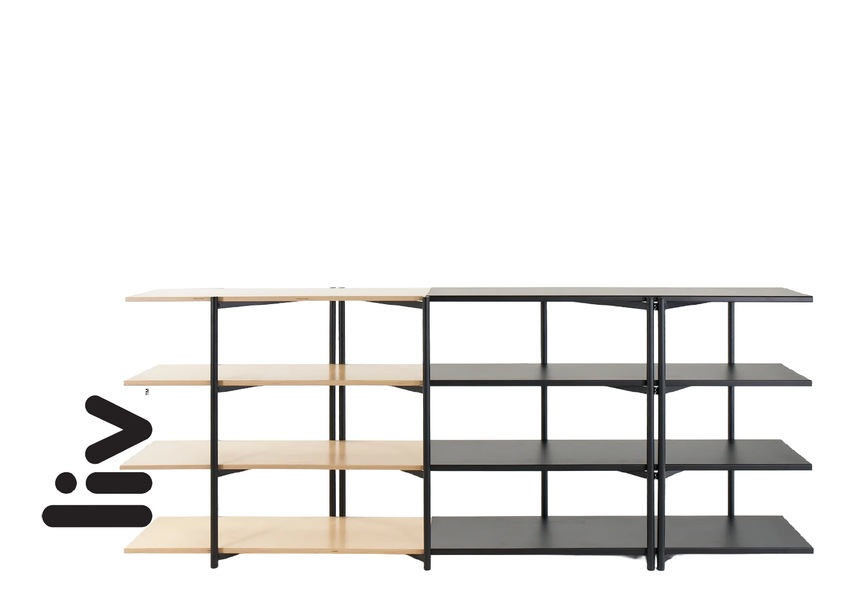
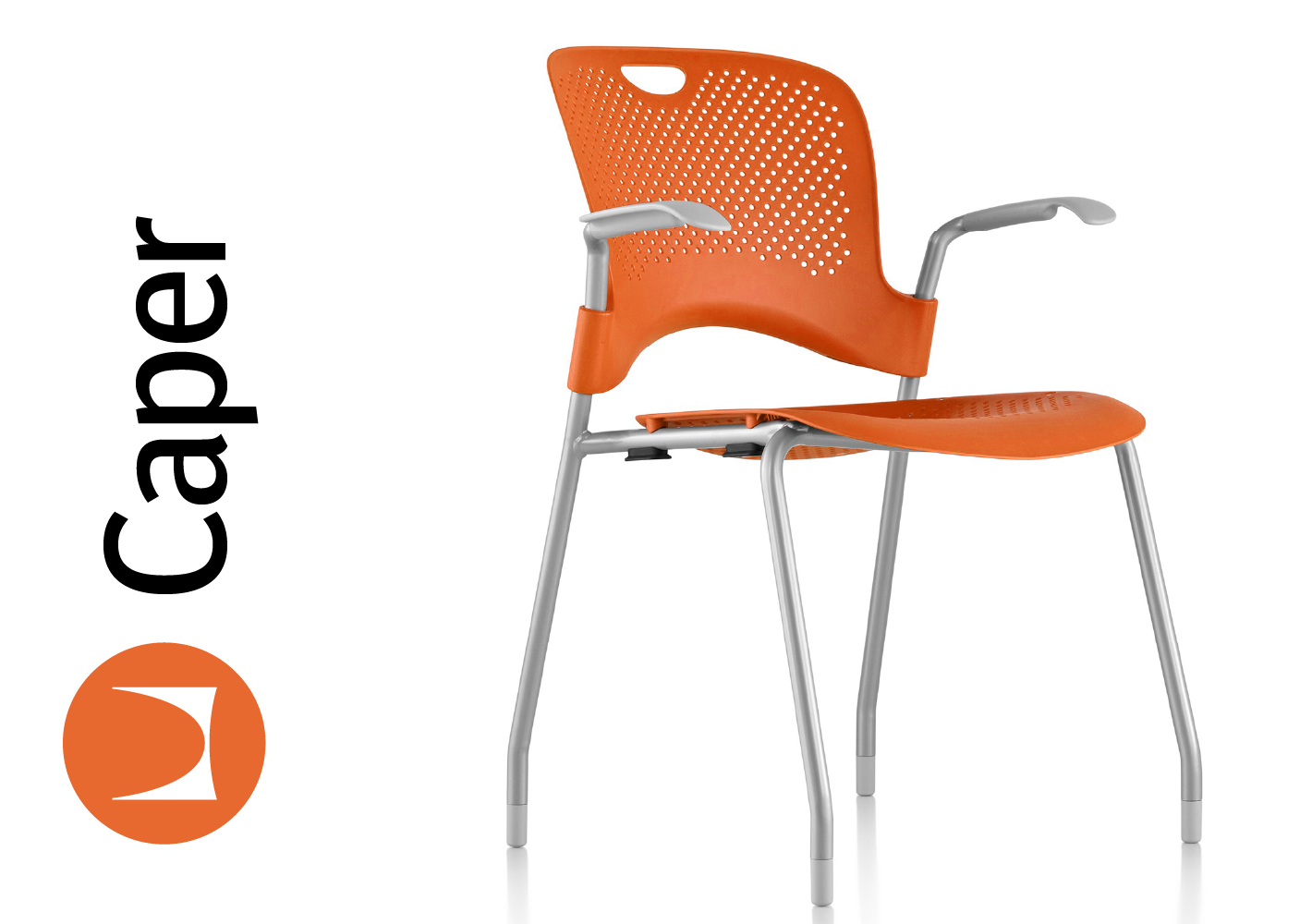
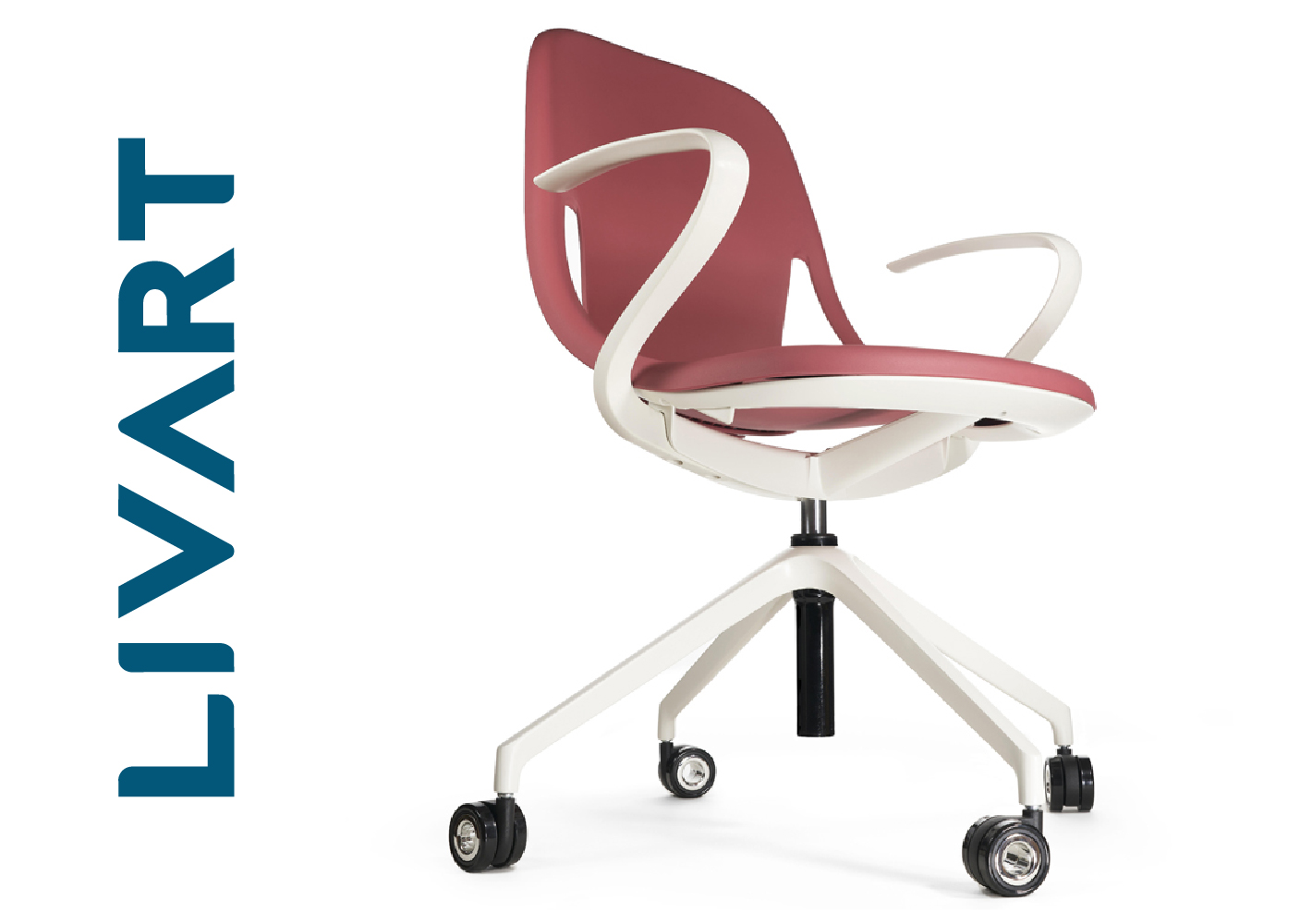
LIV Goods modular shelvingComfort Air chair for American LeatherCaper Chair for Herman MillerUnion Chair for Hyundai Livart
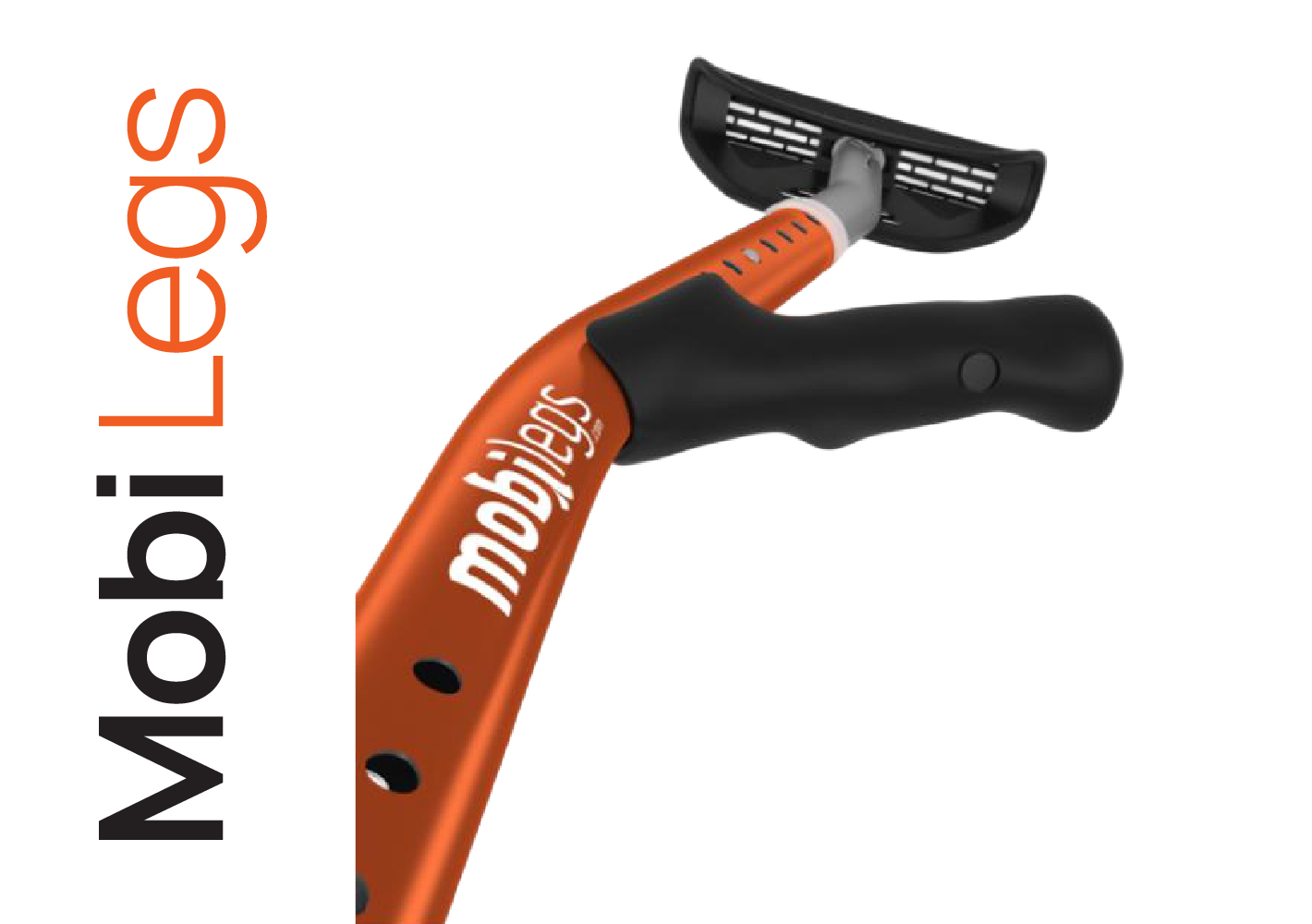
Mobi Legs editorial tile featuring the crutch and oversized Mobi Legs typography
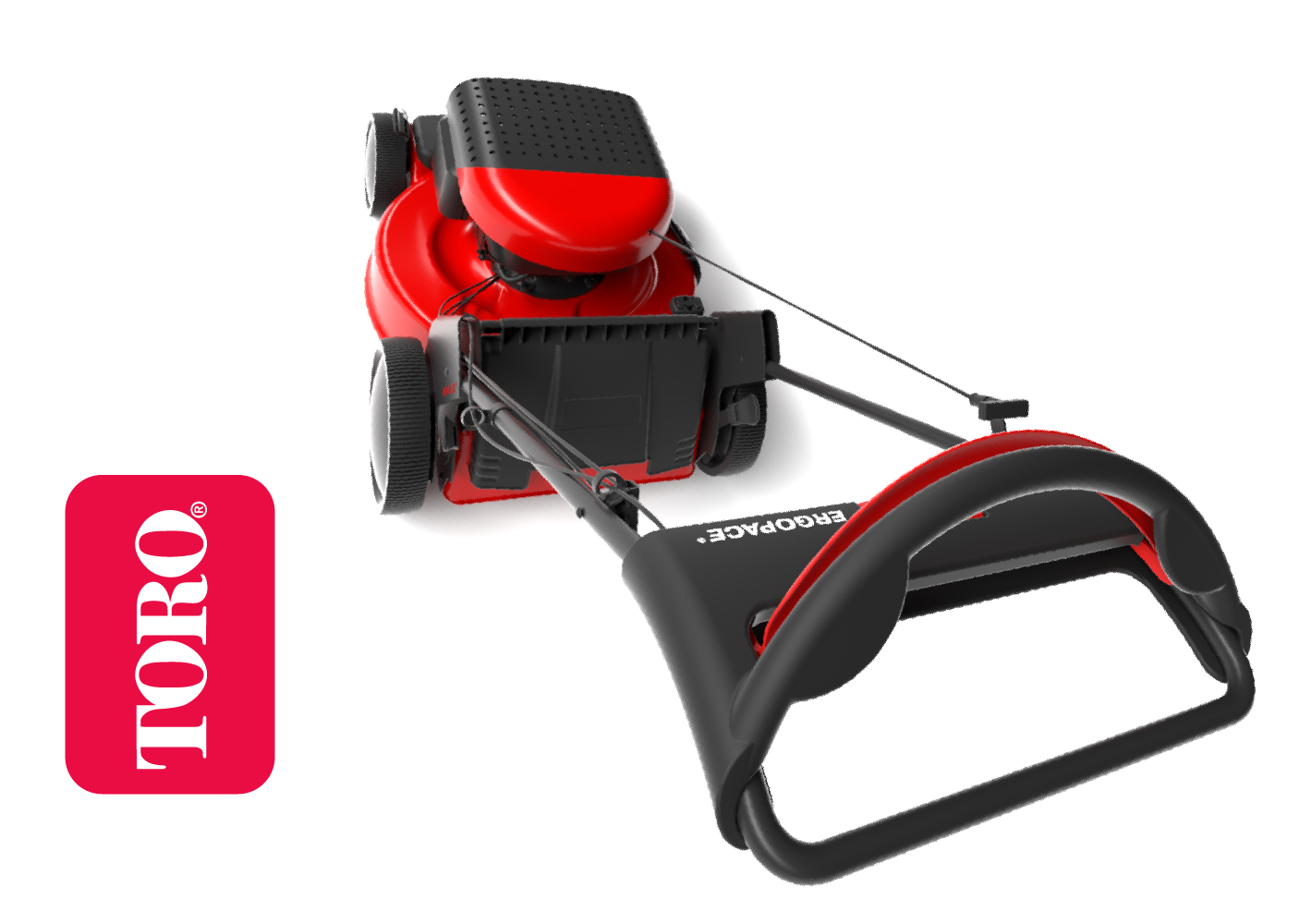
Toro Personal Pace mower editorial tile
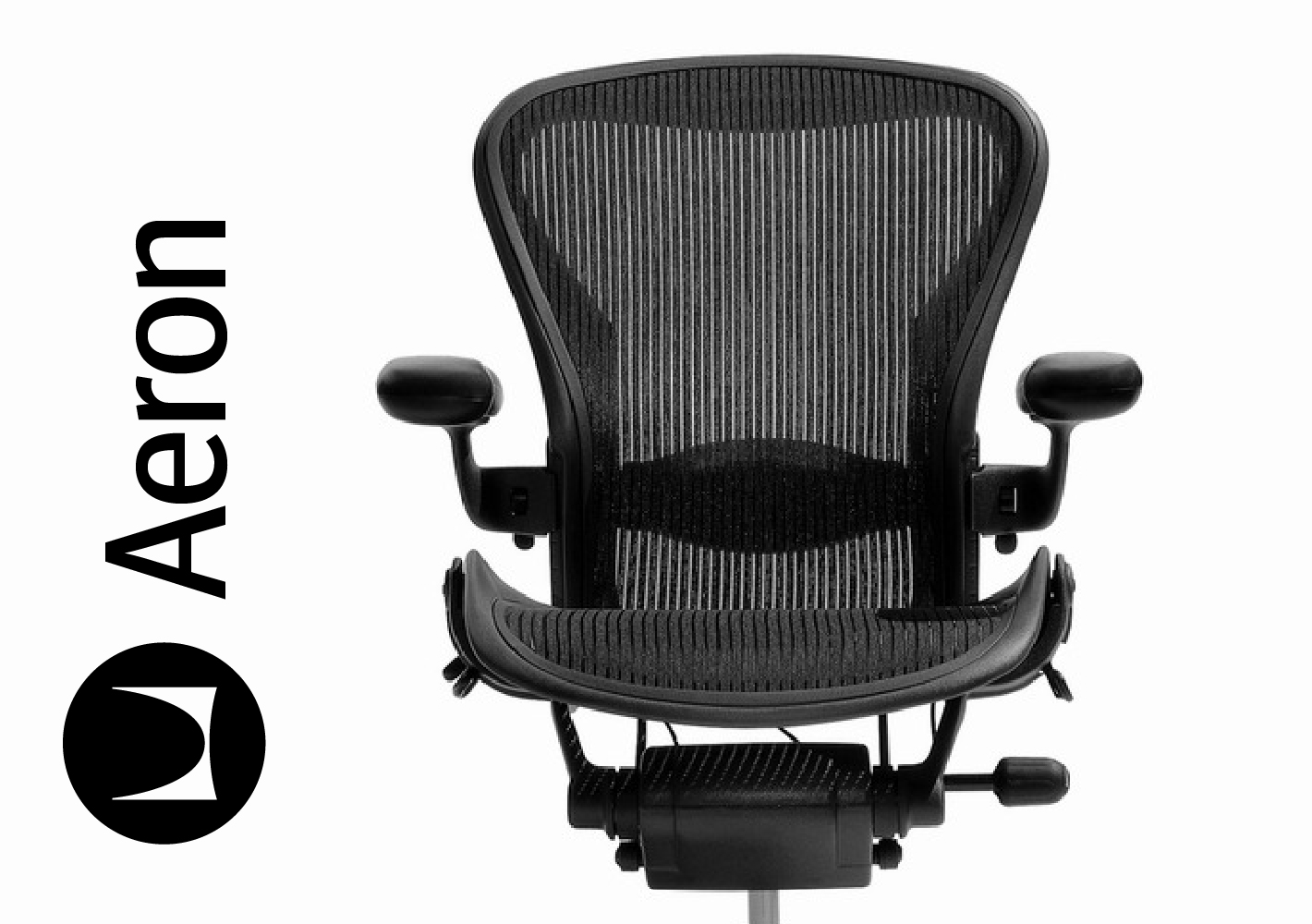
Aeron editorial tile featuring the chair
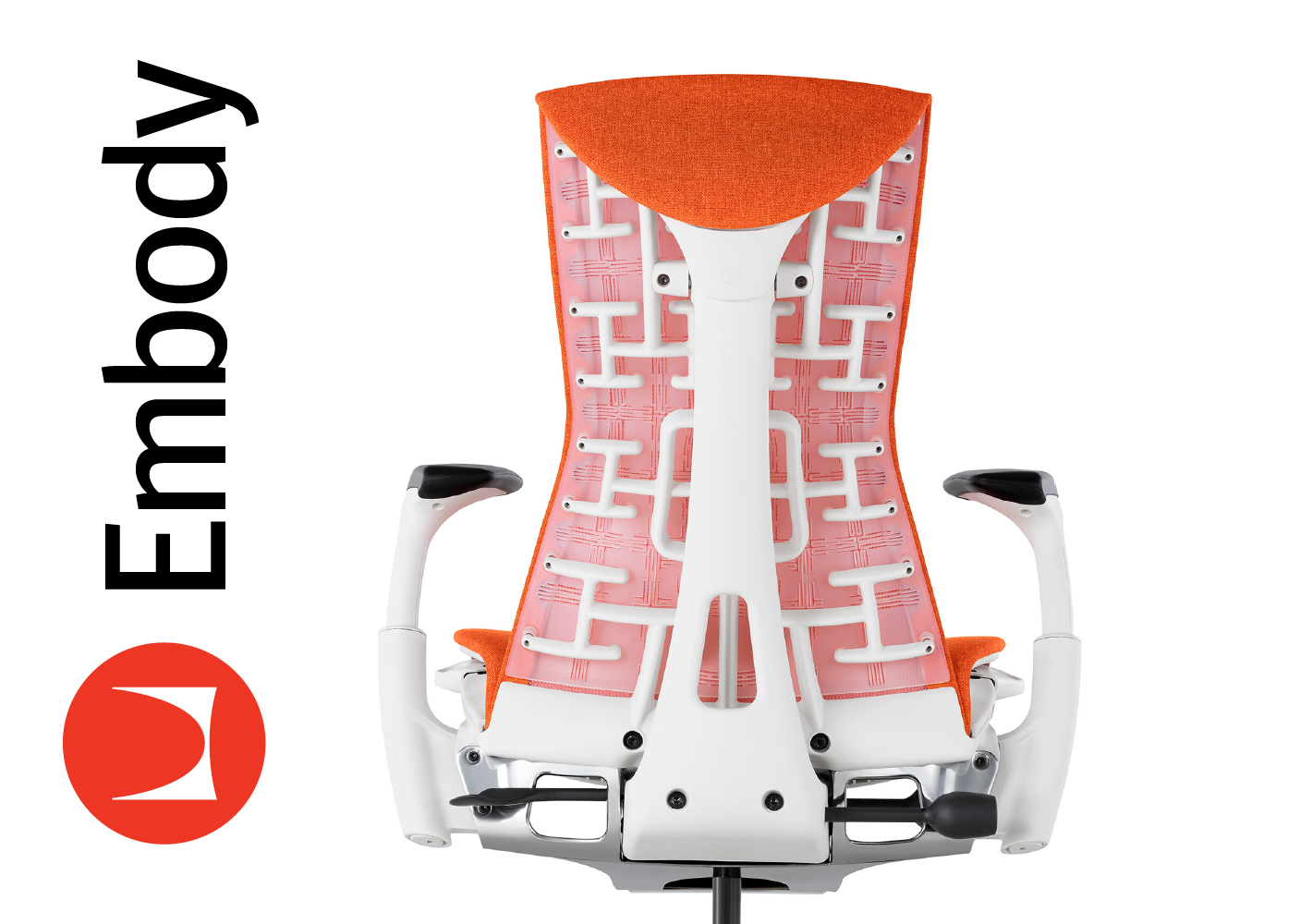
Embody editorial tile featuring the chair rear structure
PUR faucet filter editorial tile
PUR portable hiking purifier editorial tile
White Papers→ Contact→
American Leathercomfort air
back to library ↗

a studio weber story

comfort is a
moving target.

A chair can look still and feel alive.

Inside Comfort Air, an intricate structure turns a change of posture into a change of position.
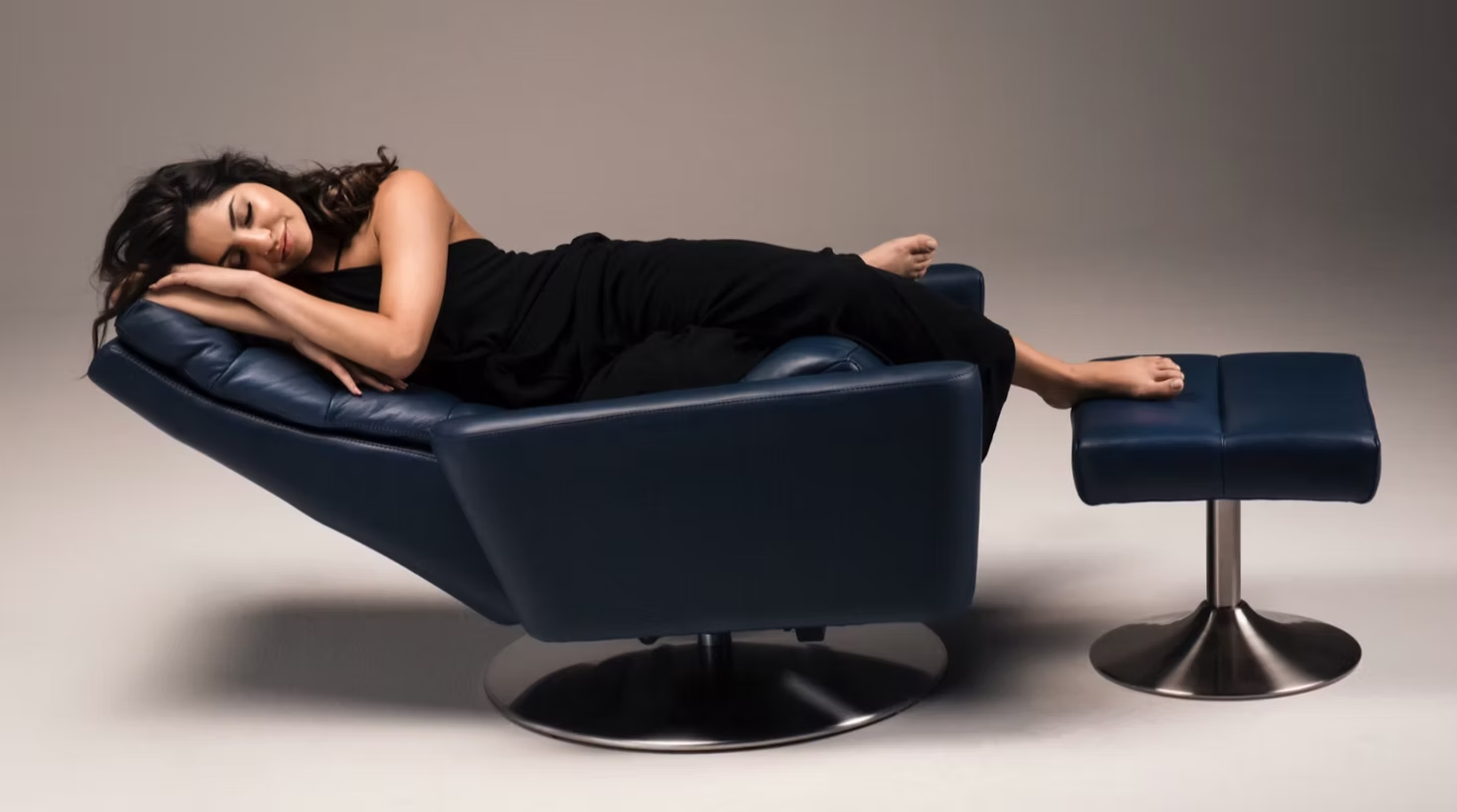
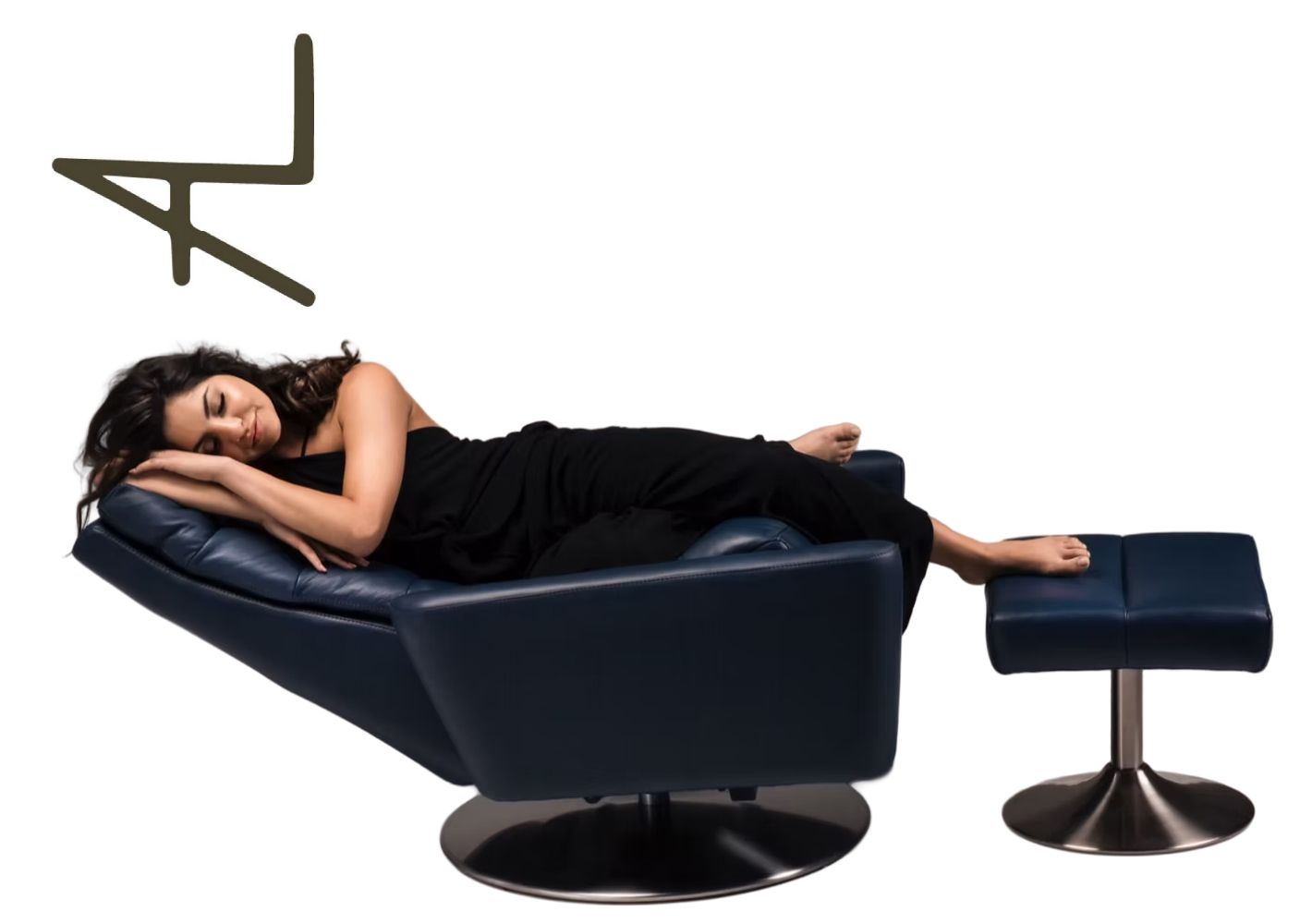
Person lying sideways in a reclined navy upholstered chair beside a matching ottoman.
Comfort Air by American Leather.Movement, made comfortable.
comfort airdeveloped with jeff weber + american leatherintroduced 2018

The body never chooses
just one position.

We sit forward to join a conversation. We settle back. We shift without thinking. A chair is part of all of those moments.

Building on American Leather’s motion concept, our work with its team brought together the mechanics of movement and the shape of support. The question was how to make a complex chair feel natural to the person sitting.

01 the body02 the structure03 the mechanism04 the contact05 the home
01

begin with the problem

Support a person.
Allow a change.

Comfort is a relationship between a body and what supports it. With a moving chair, that relationship keeps changing. The seat, back, and person have to work together as posture changes.

Our seated studies make that relationship visible. A body gives scale to the mechanism. A reclined posture reveals what an empty chair cannot.

Explore the seated studies
Person seated upright in a rectangular metal seating test rig, viewed from the side.
A seated study in an exposed test rig.
Person leaning back in a foam chair prototype with exposed mechanism, viewed from the side.
A reclined posture in a foam prototype.
Person reclined in a foam chair prototype, with feet supported by a separate green stool.
A deeper recline with a separate foot support.

Different configurations from the development archive. Select a view; click any photograph to look closer.

02

curious play / build to learn

Give the question
a physical form.
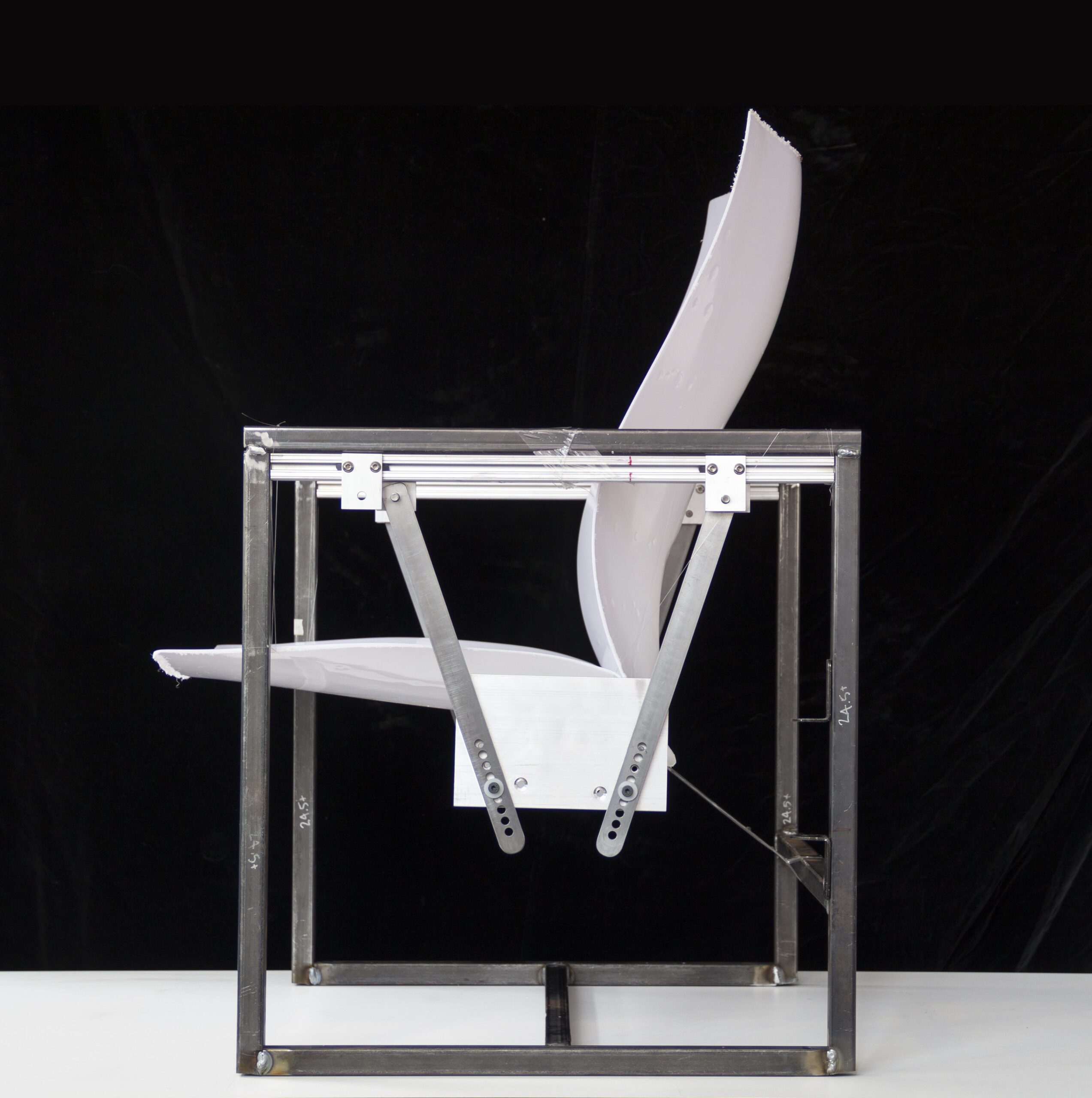
Side view of a white plastic seat and back shell within a rectangular metal linkage test rig.
A shell, a frame, and a visible relationship between parts.

Before a chair can feel effortless, there has to be something to sit in.

An exposed rig puts the working parts in view. Supports, pivots, and links can be considered together, at the scale of a person.

This is the value of making an idea physical. We can look at the structure, move around it, and put a body in relation to it. Curious Play gives us room to explore. Build to Learn gives the exploration something real to answer to.
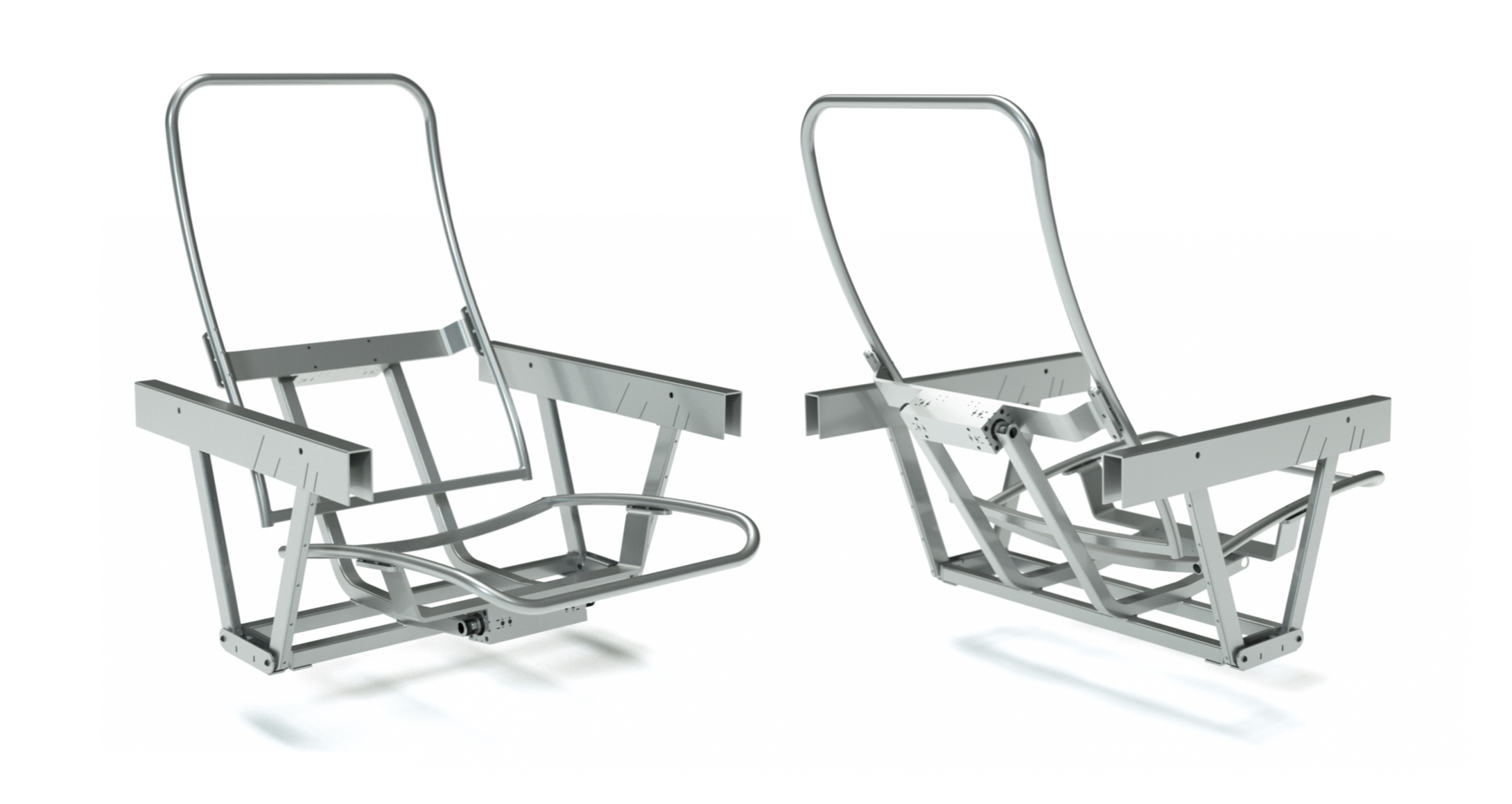
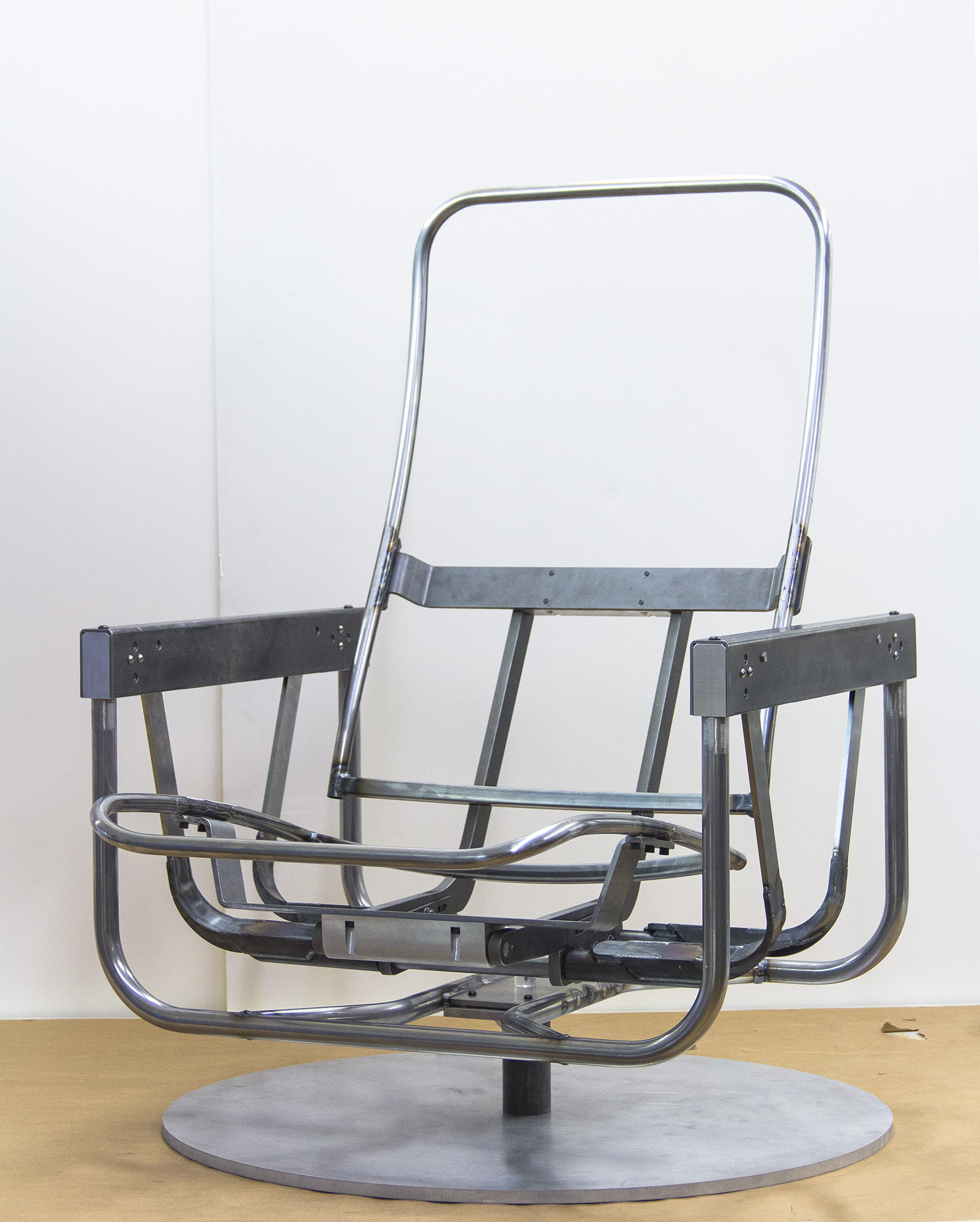
Rendering of two exposed chair frames shown from front and rear three-quarter angles.
Two rendered views open up the chair’s internal architecture.
Bare chair frame with arm supports and a metal disc base, viewed from the front three-quarter angle.
structure The frame and its connections.
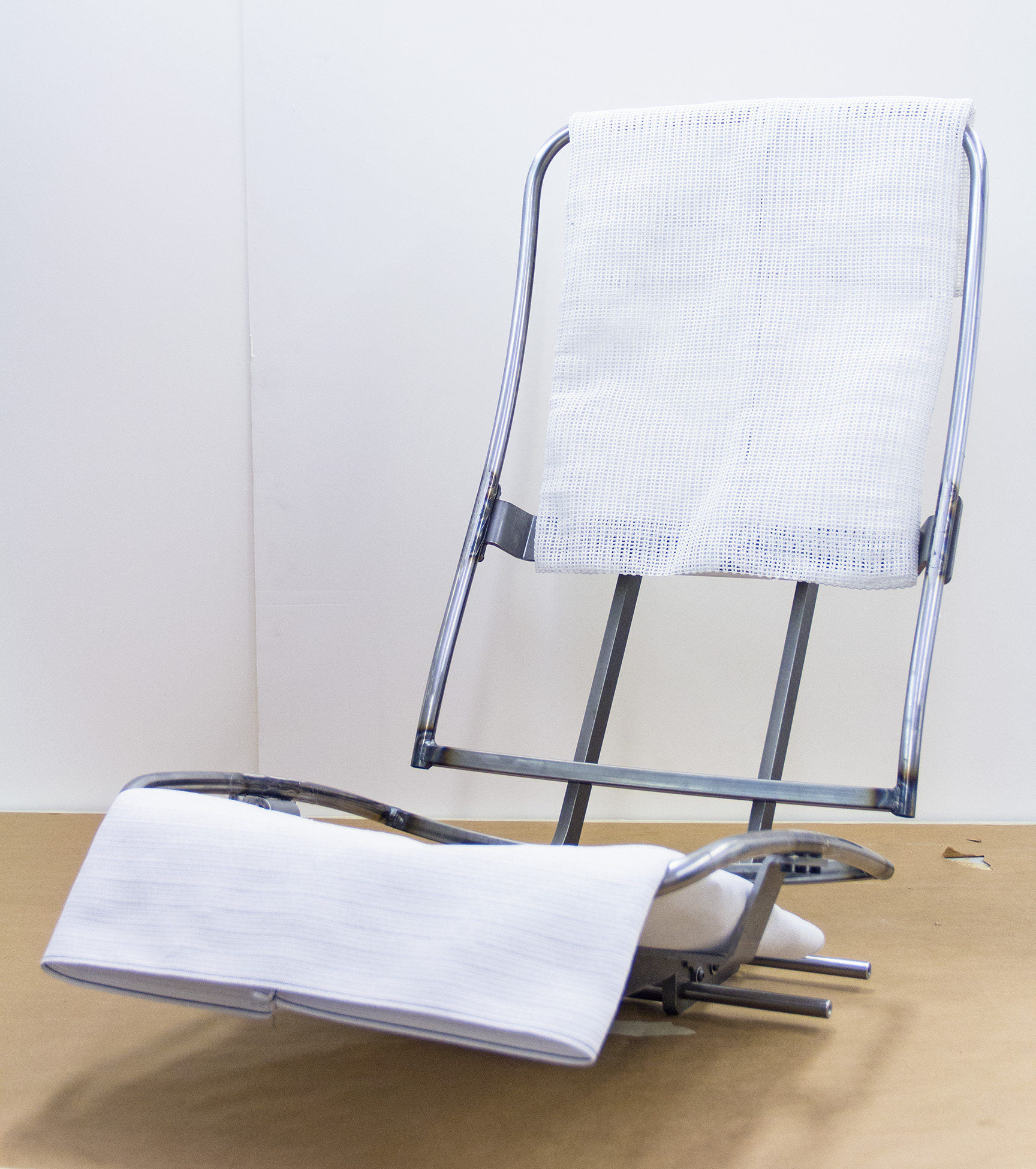
Chair frame with white textile stretched across the seat and back.
support Surfaces introduced to the frame.
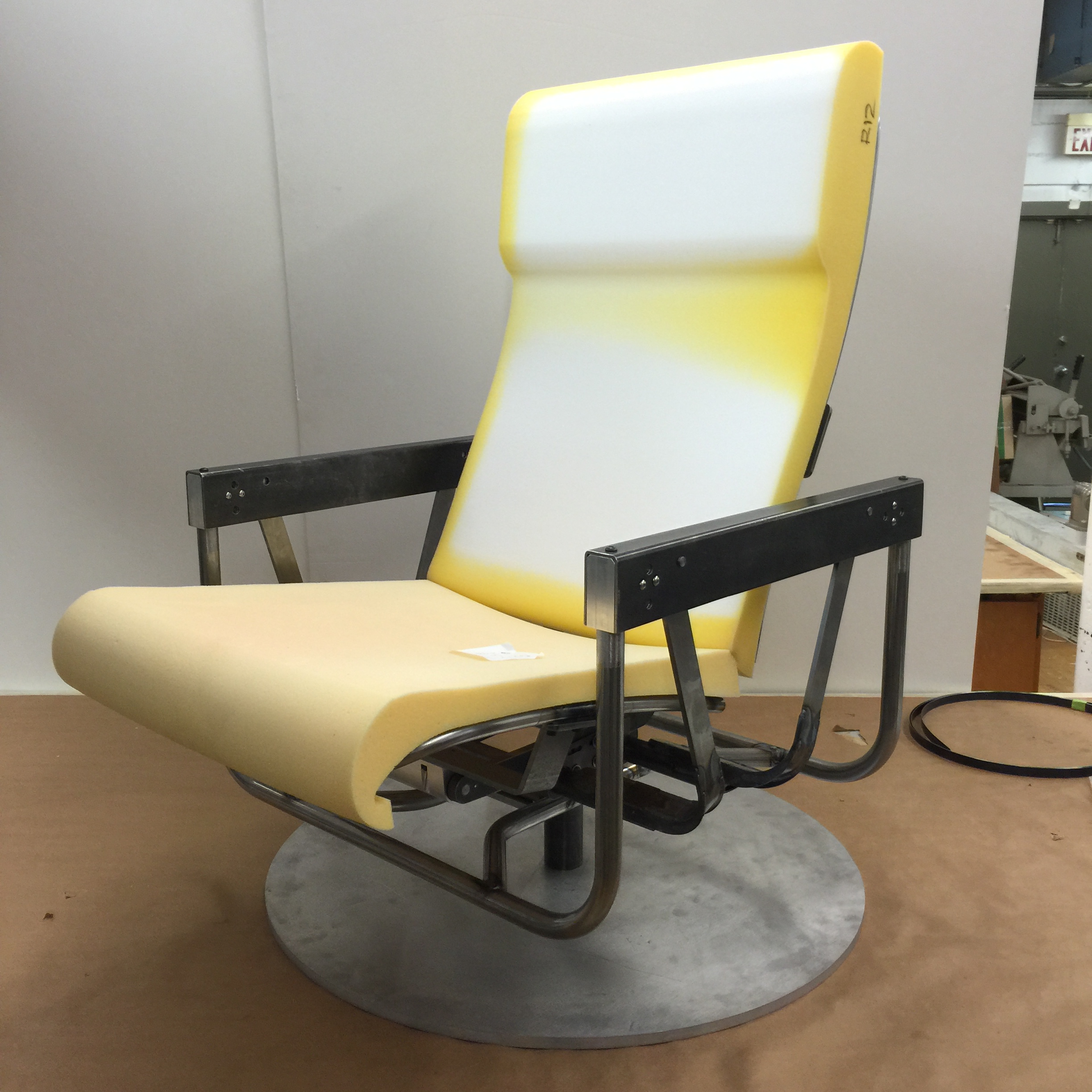
Front three-quarter view of a chair prototype with yellow foam, white back panels, exposed frame and disc base.
form Foam makes the body-facing shape tangible.
03

engineering the experience

The small things
move the whole thing.
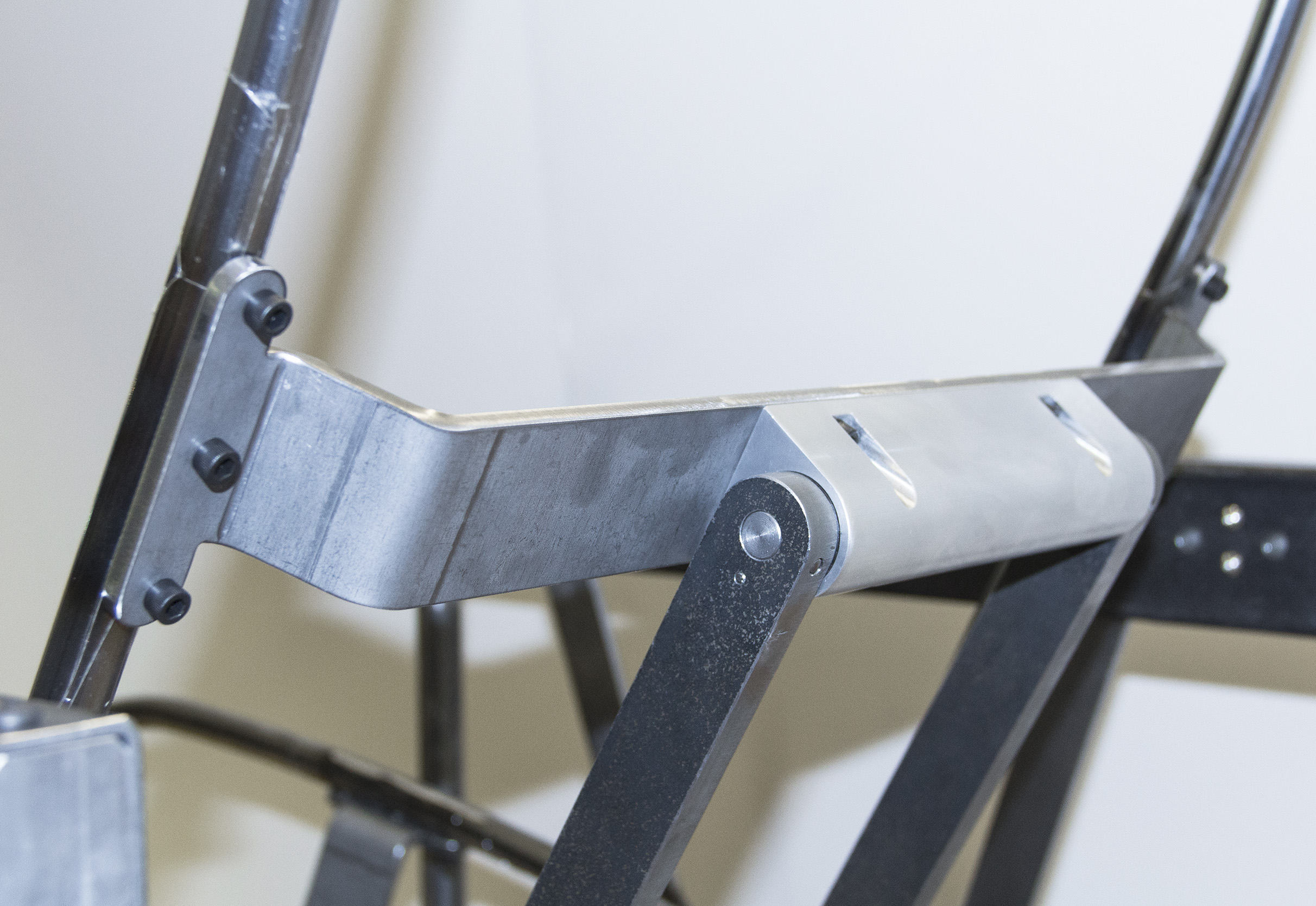
Close view of a metal back-frame cross member and its pivot connection.
Back-frame connections and a pivoting link, seen close up.

In the mechanism, the position of a pivot and the path of a link help define how the chair can move. These details are out of sight in use, yet they shape the experience of sitting.

Comfort Air’s seat and back move independently. The design problem is to coordinate that freedom with support, so the person experiences a coherent response to a change in posture.
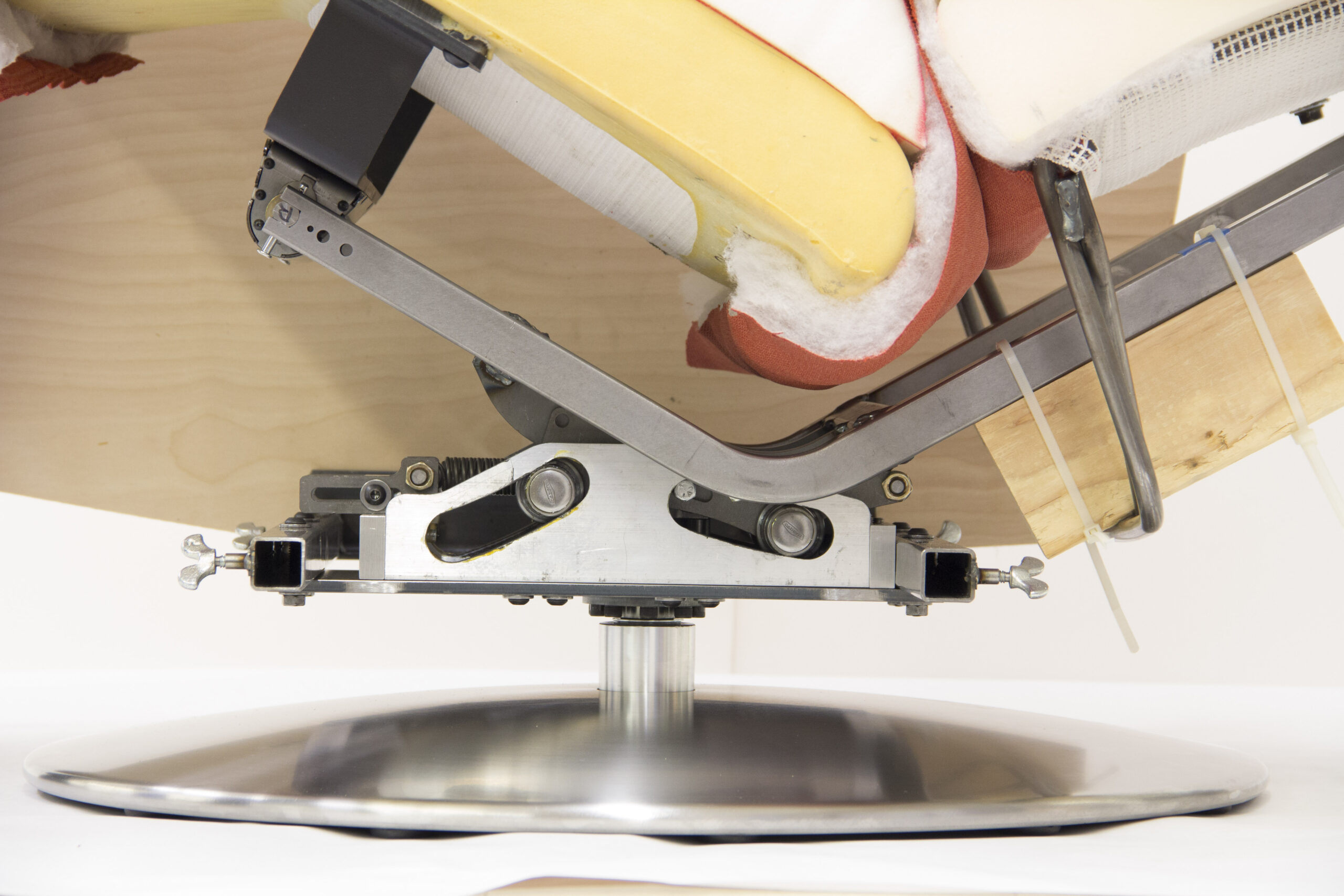
Close side view of the exposed mechanism beneath a foam chair prototype on a disc base.
Under the foam: the mechanism, support, and base.

What you feel
begins with what you don’t see.

04

where structure meets the body

Make room
for softness.
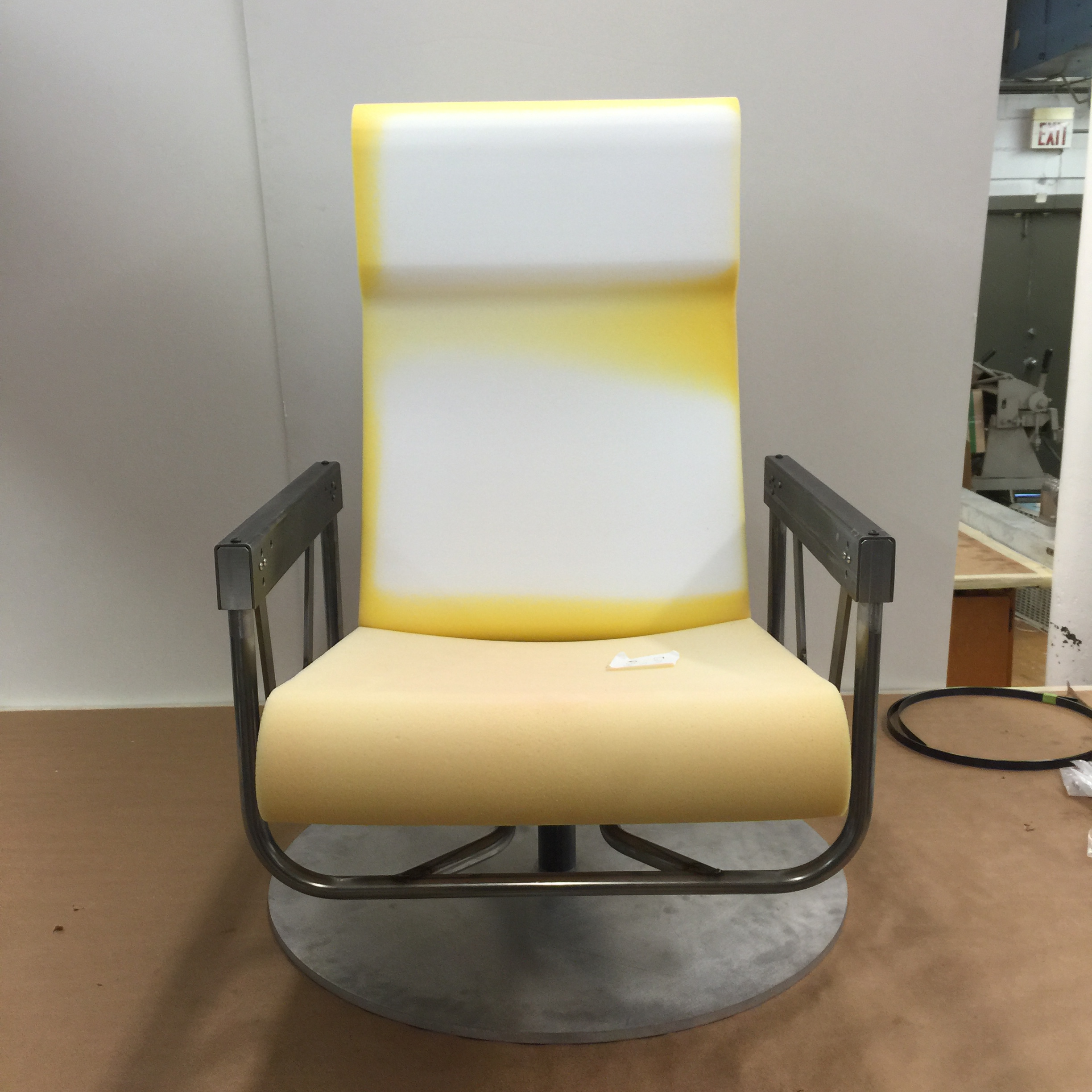
Front view of a yellow-foam chair prototype with white back panels, arm supports and disc base.
The seat, back, and head support in foam.

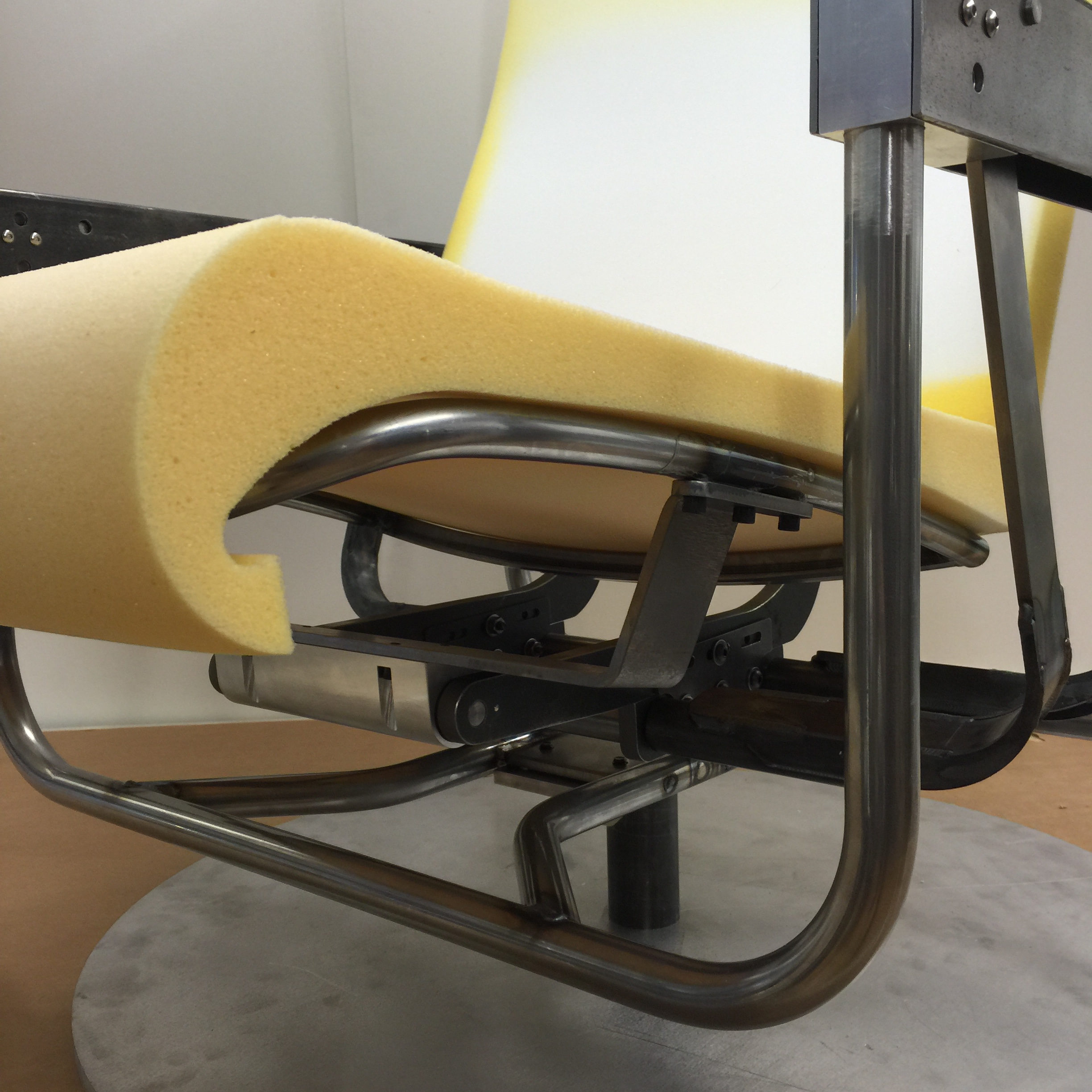
Movement is only part of comfort. The body also meets an edge, a curve, a cushion, and an arm surface. Each has a scale and a position.

Foam models bring those relationships into view. The contour at the front of the seat, the transition up the back, and the space around the arms become physical design decisions.
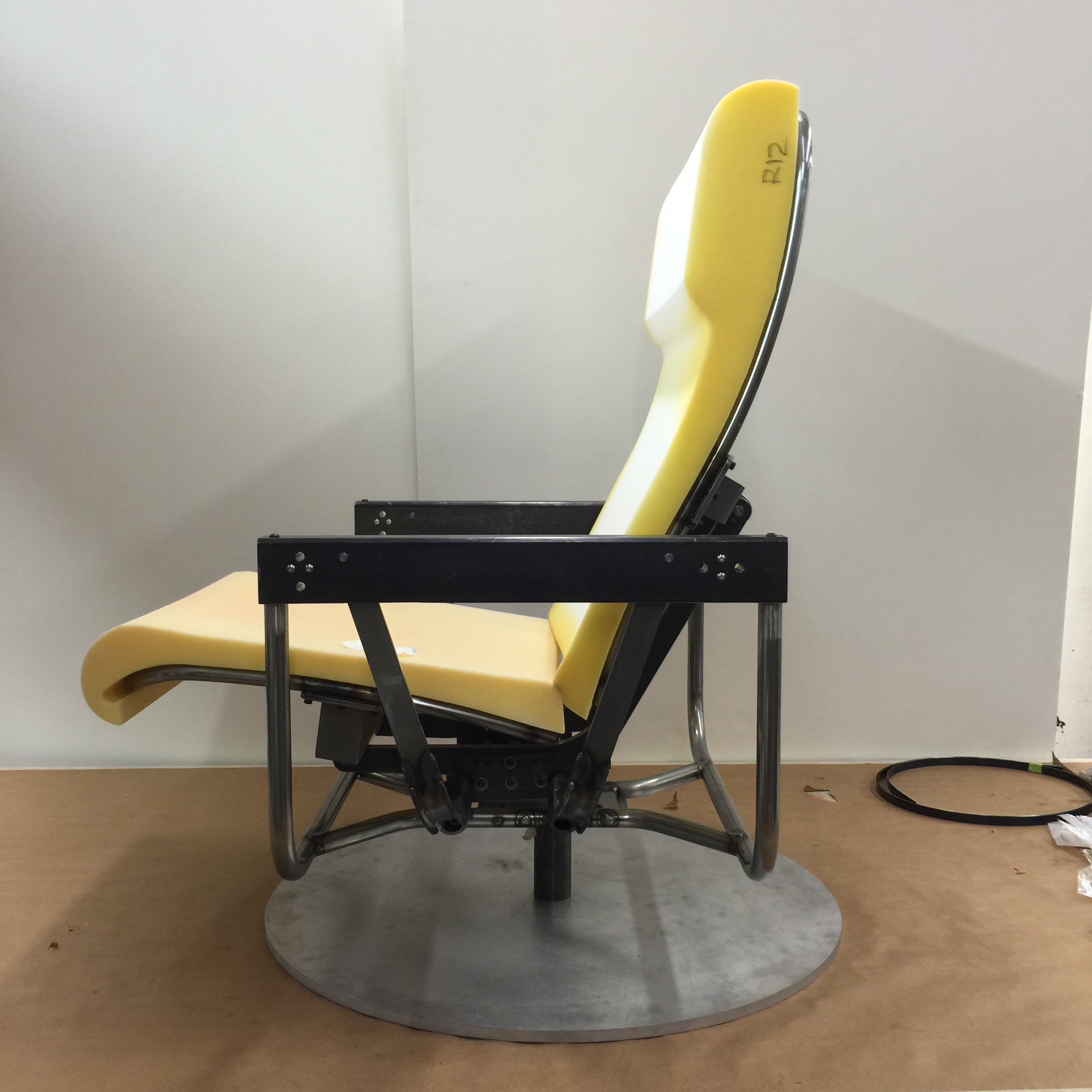
Side view of a foam chair prototype showing the seat and back profile, arm support and disc base.
A side view reveals the relationship of seat, back, and arms.
Close view of the foam seat edge, curved front support and under-seat frame.
The seat’s front edge and the structure beneath it.
05

performance / character

Give movement
a place to live.

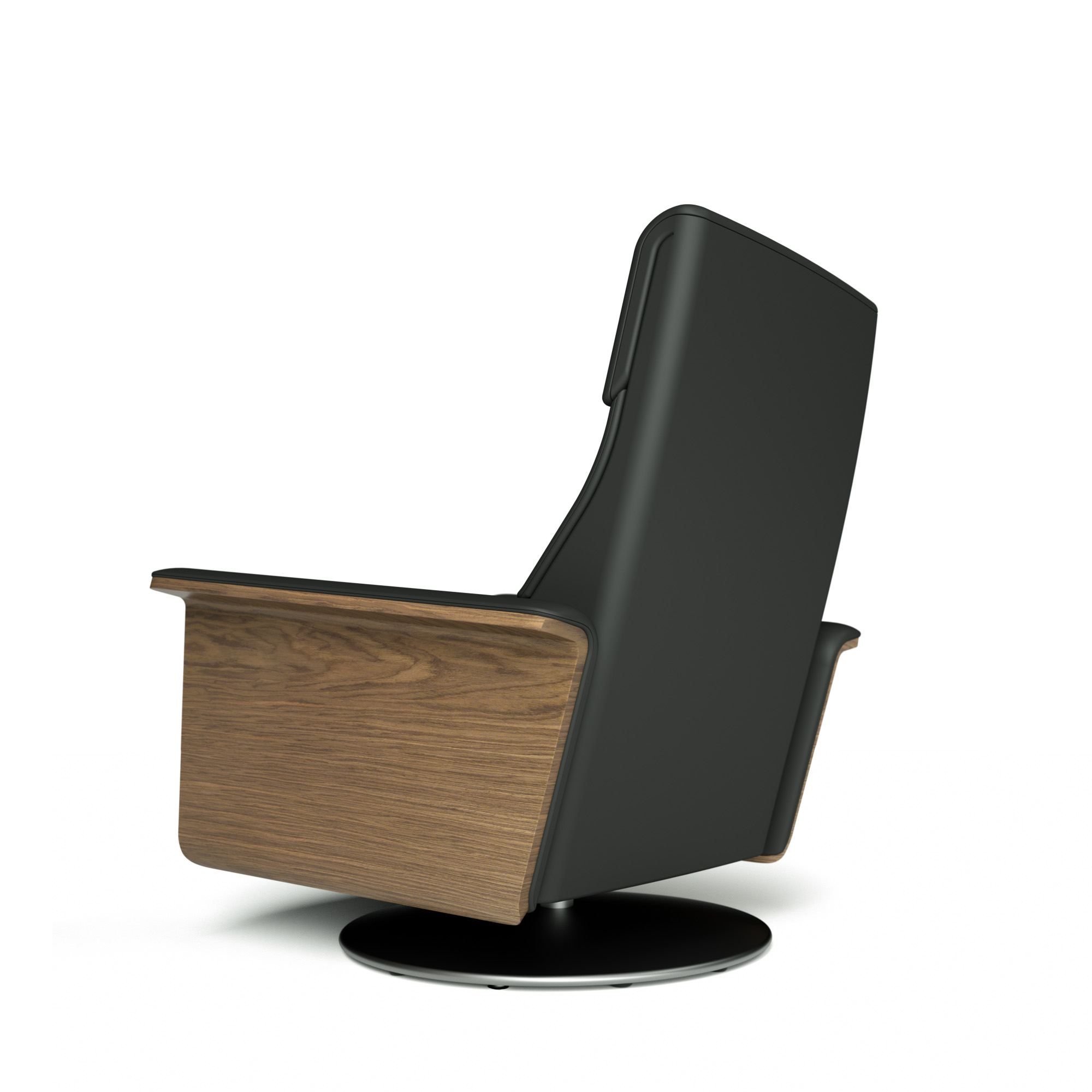
A mechanism also has a silhouette. The chair has to belong in a room, with a visual character that makes someone want to sit down.

These renderings explore that relationship through upholstered volumes, wood side panels, and a quiet base. They are concept studies from our archive—another way of asking how motion can become furniture.
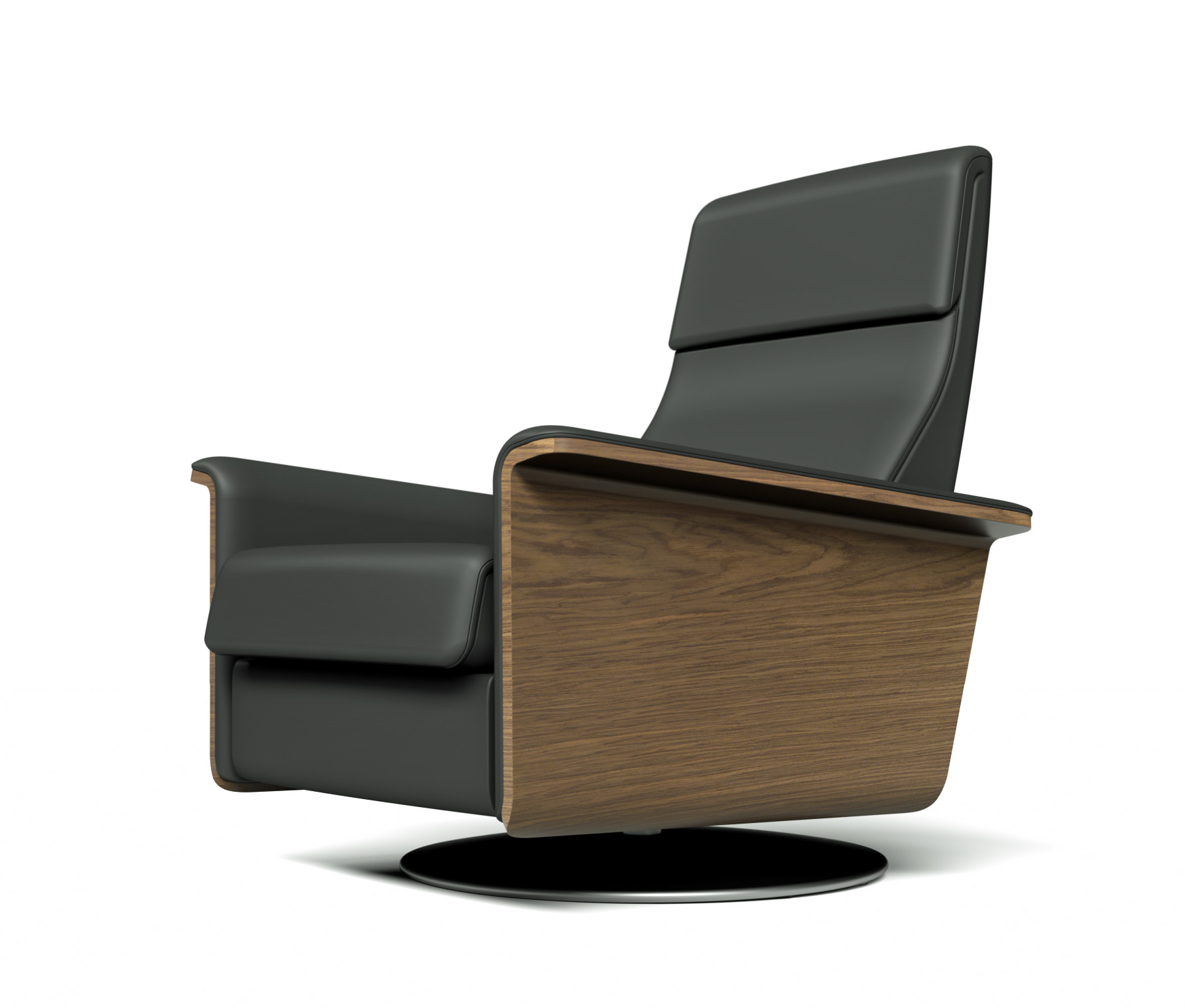
Rendering of a dark upholstered chair with wood side panels and a disc base, viewed from the front three-quarter angle.
A concept in front three-quarter view.
Rendering of a dark upholstered chair with wood side panels and a disc base, viewed from the rear three-quarter angle.
The same concept viewed from behind.

the finished collection

One idea.
Different personalities.
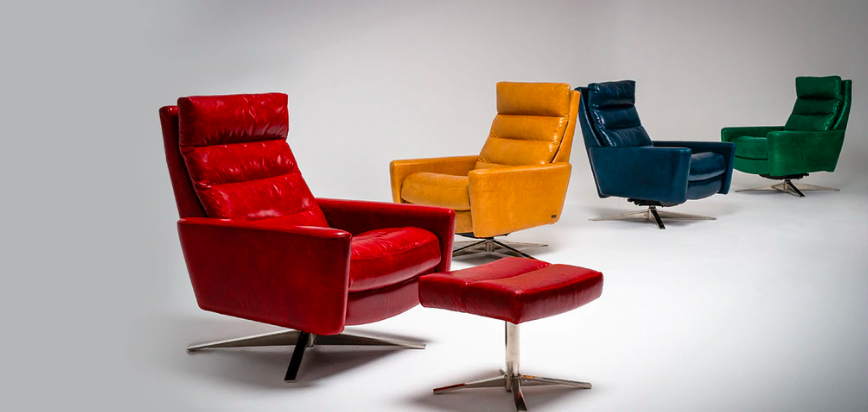
Four upholstered chairs in red, yellow, blue and green, with a red ottoman in the foreground.
A range of upholstered forms in the American Leather Comfort Air collection.
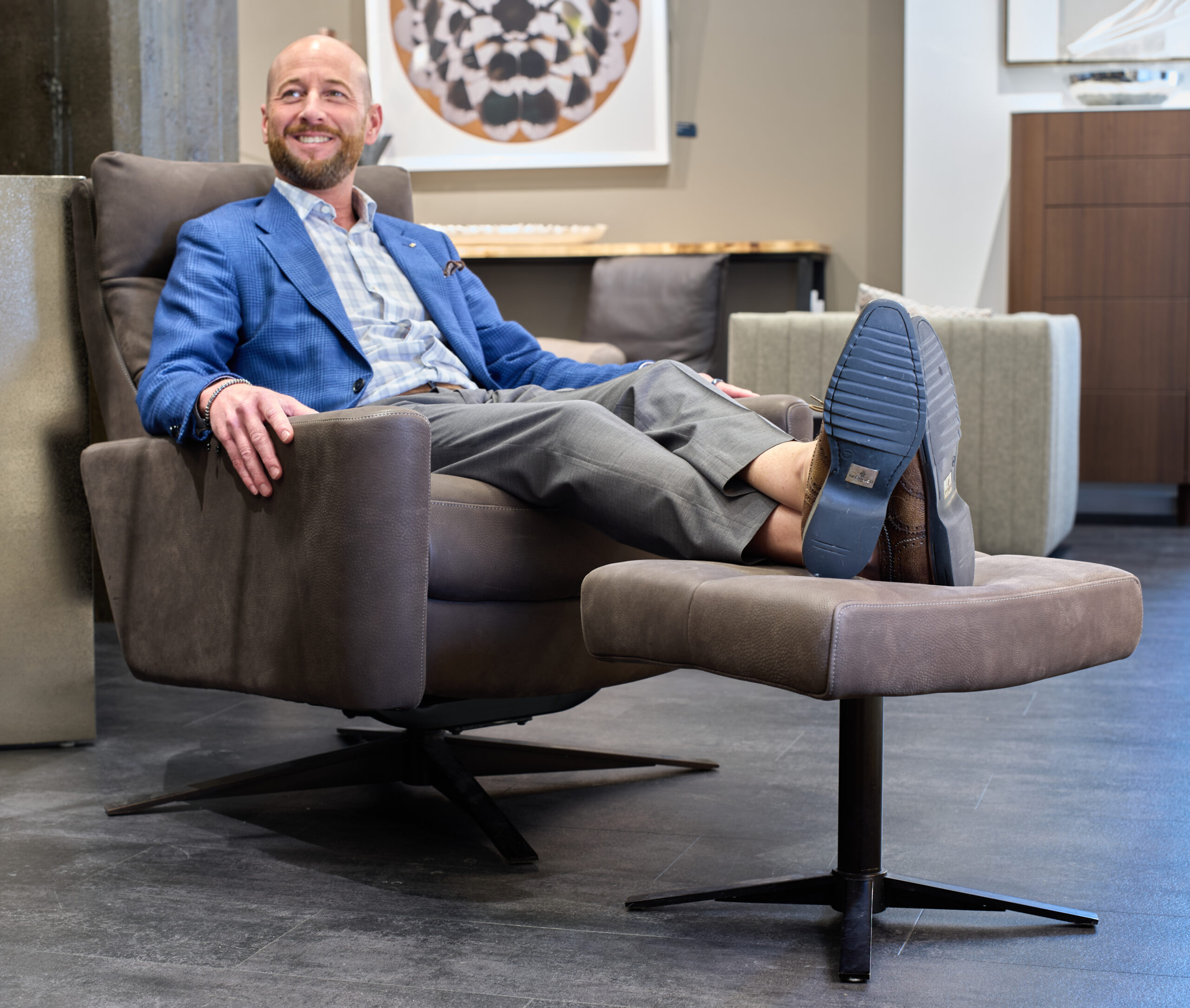
Person seated in a brown upholstered lounge chair with feet supported by a matching ottoman.
A chair, an ottoman, and a moment to settle in.
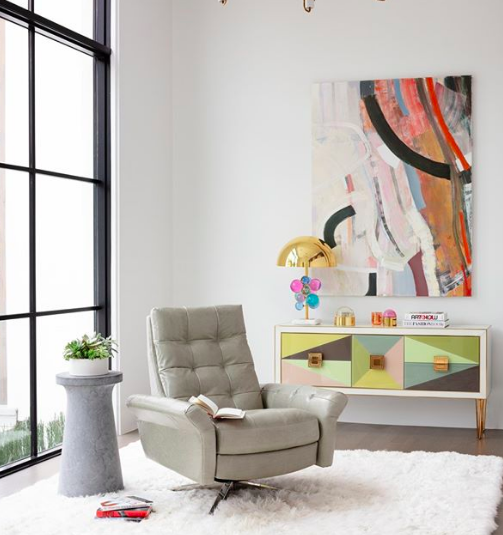
Light upholstered lounge chair in a bright room with artwork, a window and a white rug.
Comfort Air in a domestic setting.

The finished collection carries a common idea about movement into different shapes, materials, and rooms.

the arts of daily living

The work disappears.
The feeling stays.

For us, this is where engineering and the Arts of Daily Living meet: a complex object that lets an ordinary moment feel easy.

Comfort Air / American Leather

Developed with Jeff Weber and American Leather’s engineering team. Introduced in 2018. Development and product imagery from the supplied project archive.

a conversation with the designer

In Jeff’s words.

FILM / 2:47
Your browser cannot play this video. Watch the Comfort Air film.

Jeff Weber on movement, balance, and the making of Comfort Air.

Use the video controls to start the film.

Comfort Air case study PDF coverDownloadable Case Study
Comfort Air
American Leather · 3 pagesView PDF ↗

further reading

  • American Leather / True beauty lies in the details↗

keep the conversation moving

What would you like to know about Studio Weber?

studioweber

  • Blog
  • About
  • FAQs
  • Authors
  • Events
  • Shop
  • Patterns
  • Themes

Twenty Twenty-Five

Designed with WordPress

Studio Weber + Associates

industrial design & product development · minneapolis

Home White Papers Contact