
 LIV goods
liv goods / a studio weber story
room for
a little delight.
A shelf that grows. A cart with another trick. A flat piece of felt that becomes something useful.
Adding a little delight to the arts of daily living.
Life changes.
Your furniture
should have room to.
A small home asks a lot of the things inside it. There is living to do, work to make room for, and another arrangement waiting just around the corner.
We developed LIV’s products and entire brand around that everyday possibility: fewer, more purposeful components, and useful objects that can evolve with the people who live with them. Now, as we launch and spin off LIV Goods, that way of thinking is becoming a business of its own.
begin with everyday life
Small spaces.
Full lives.
Carrying the groceries. Reaching a high shelf. Making space for dinner. These ordinary actions are our starting point. We want furniture and home essentials to make urban living easier—and leave room for a little pleasure along the way.
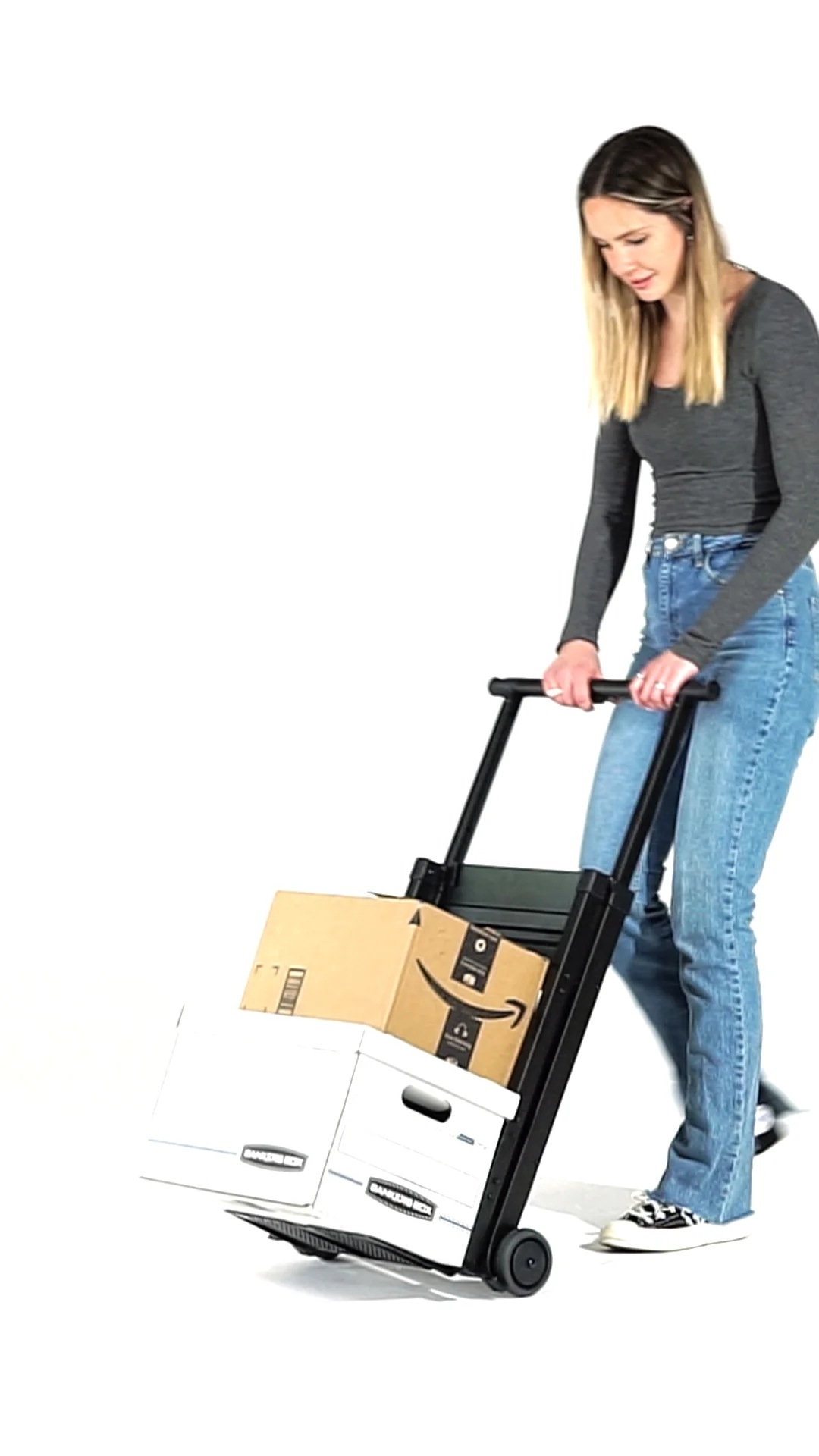
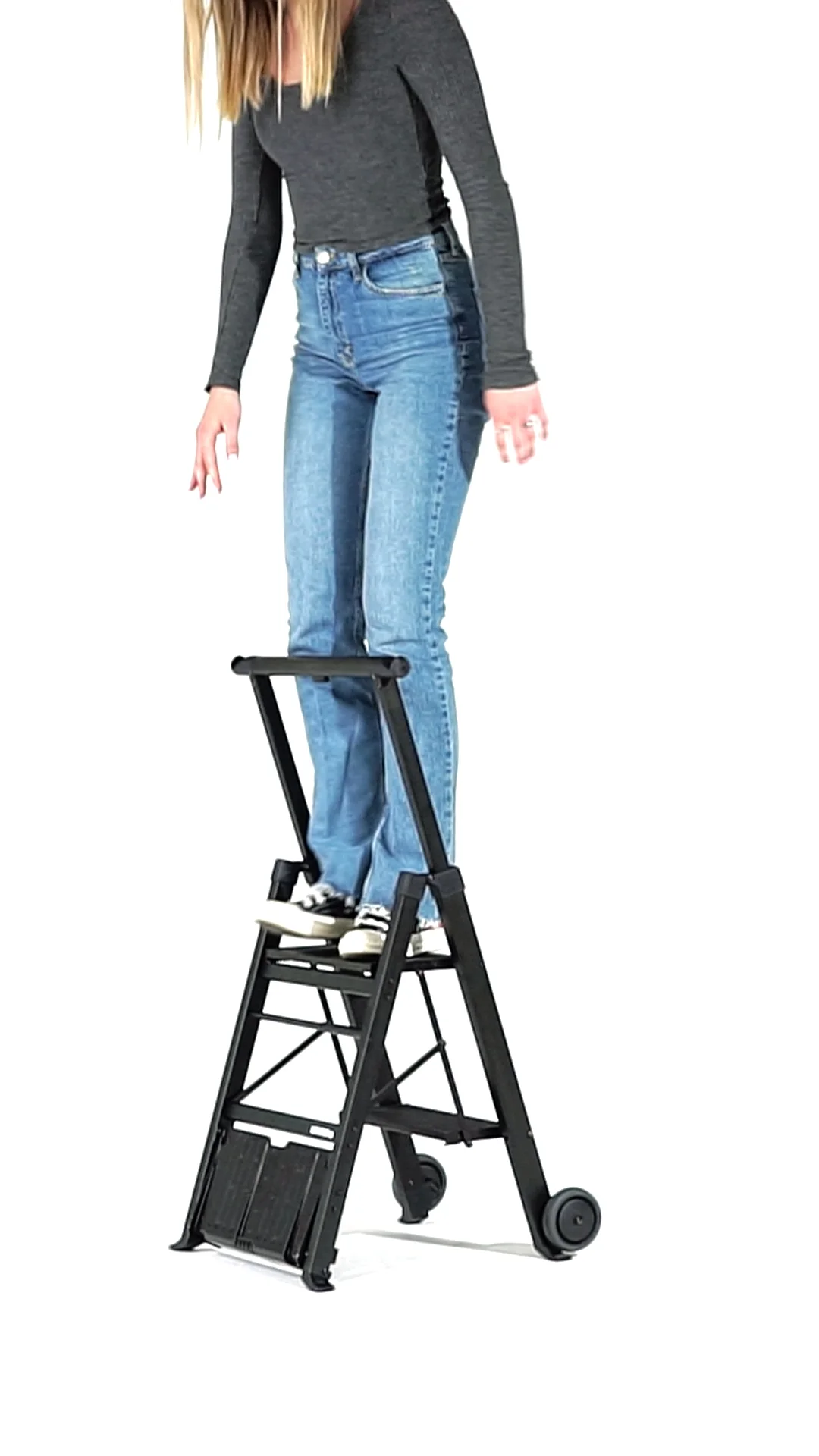
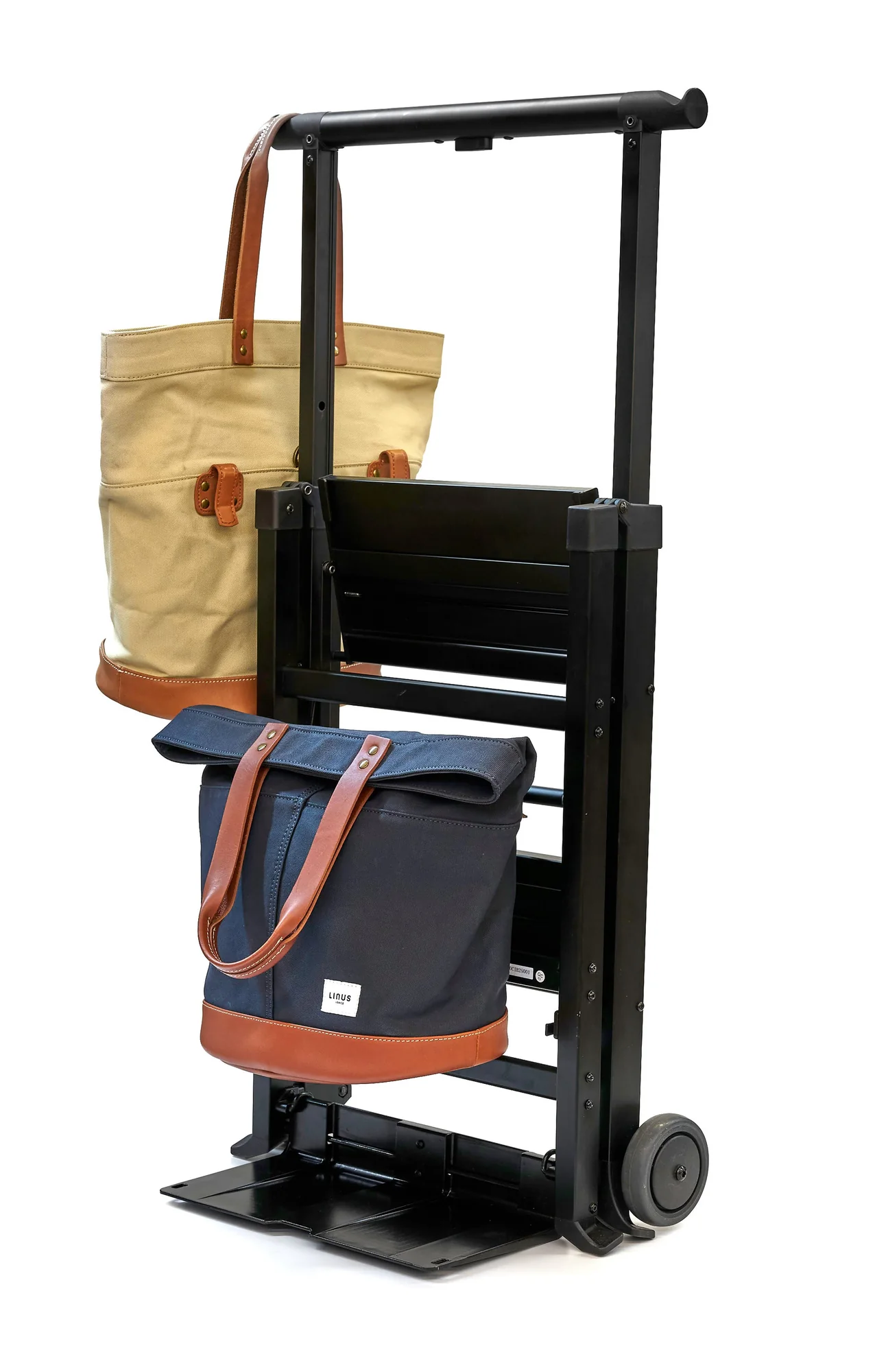
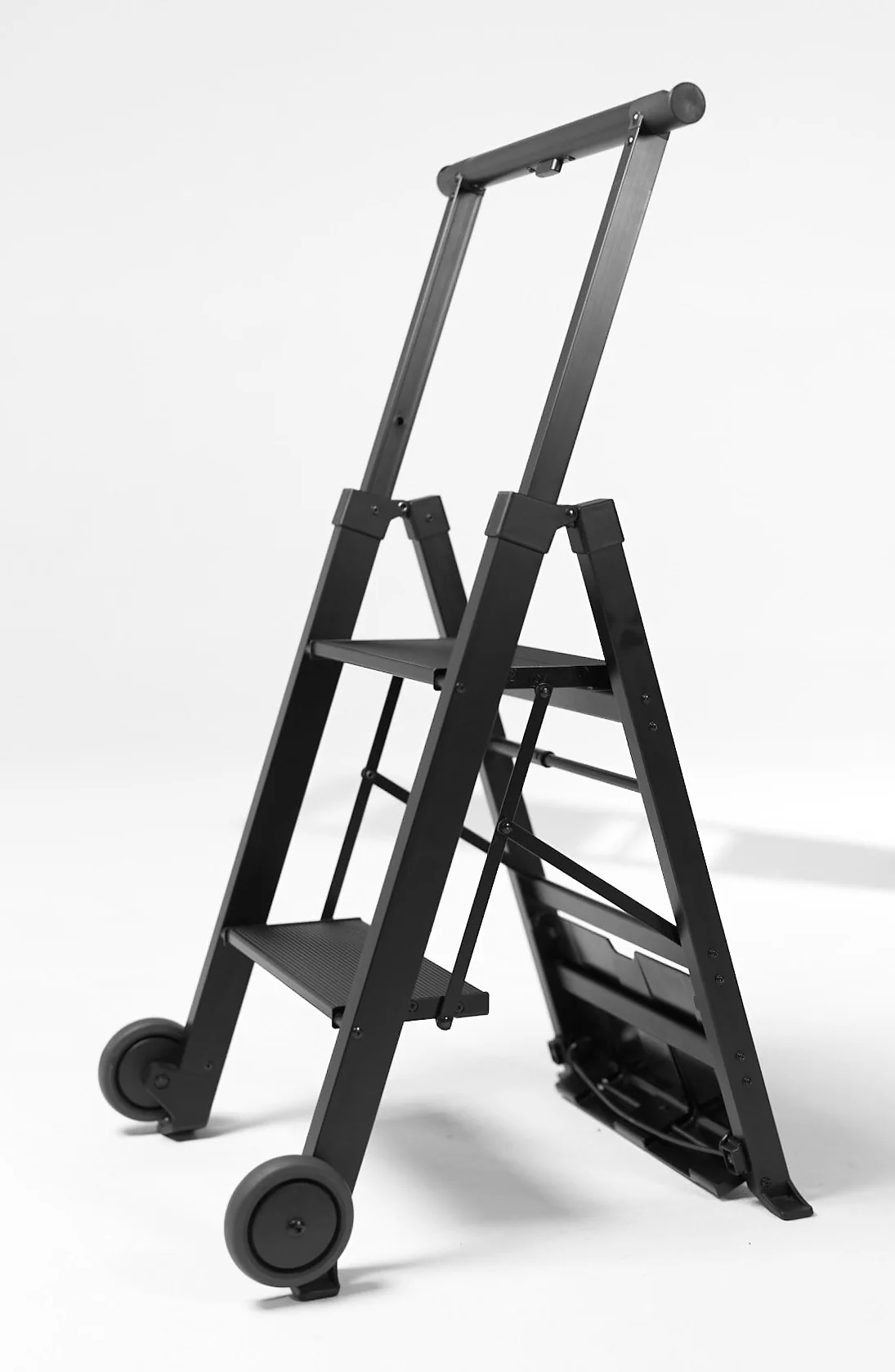
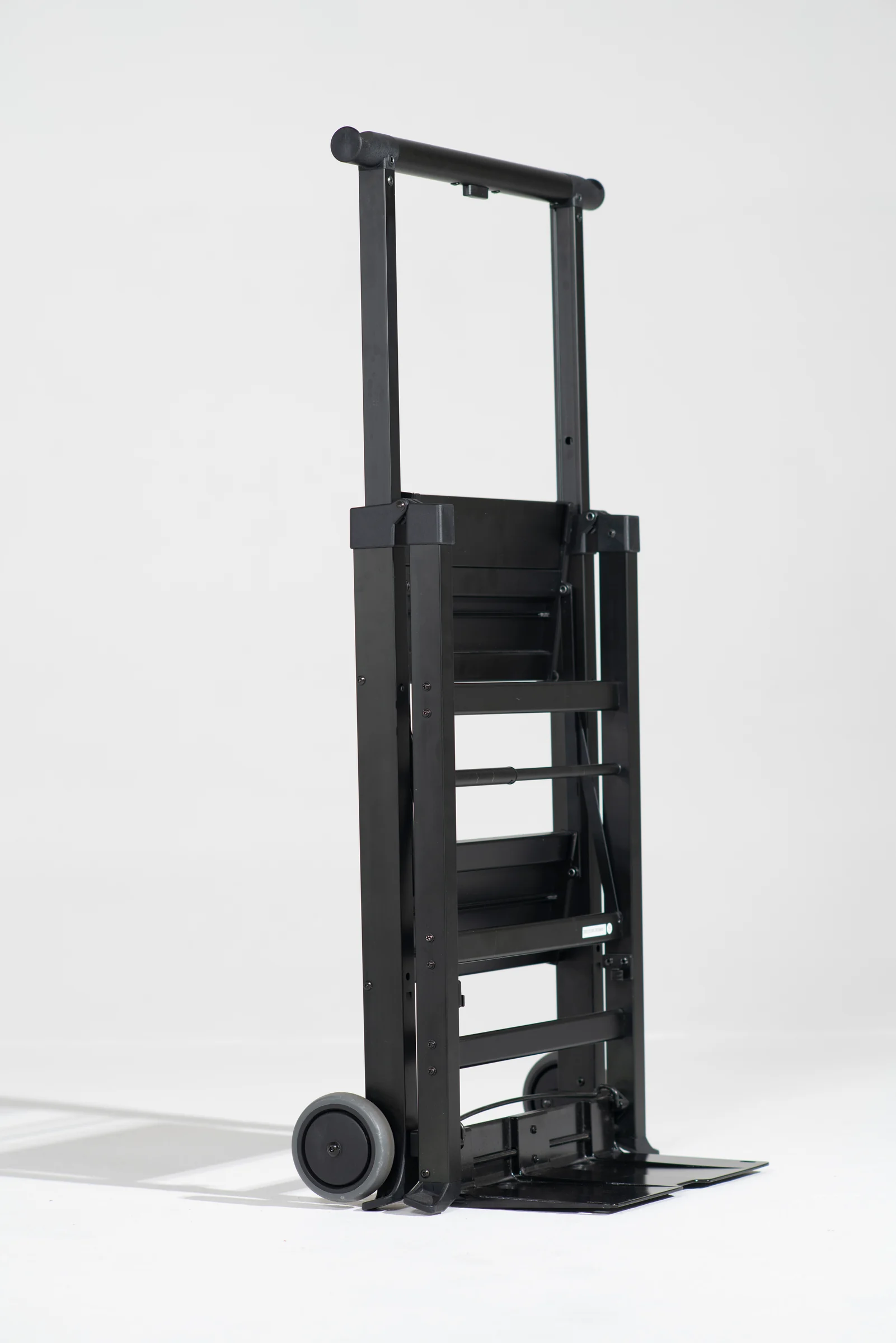
Su brings carrying and reaching into one object. The change of use is part of the design.
the design proposition
More possibility.
Fewer things.
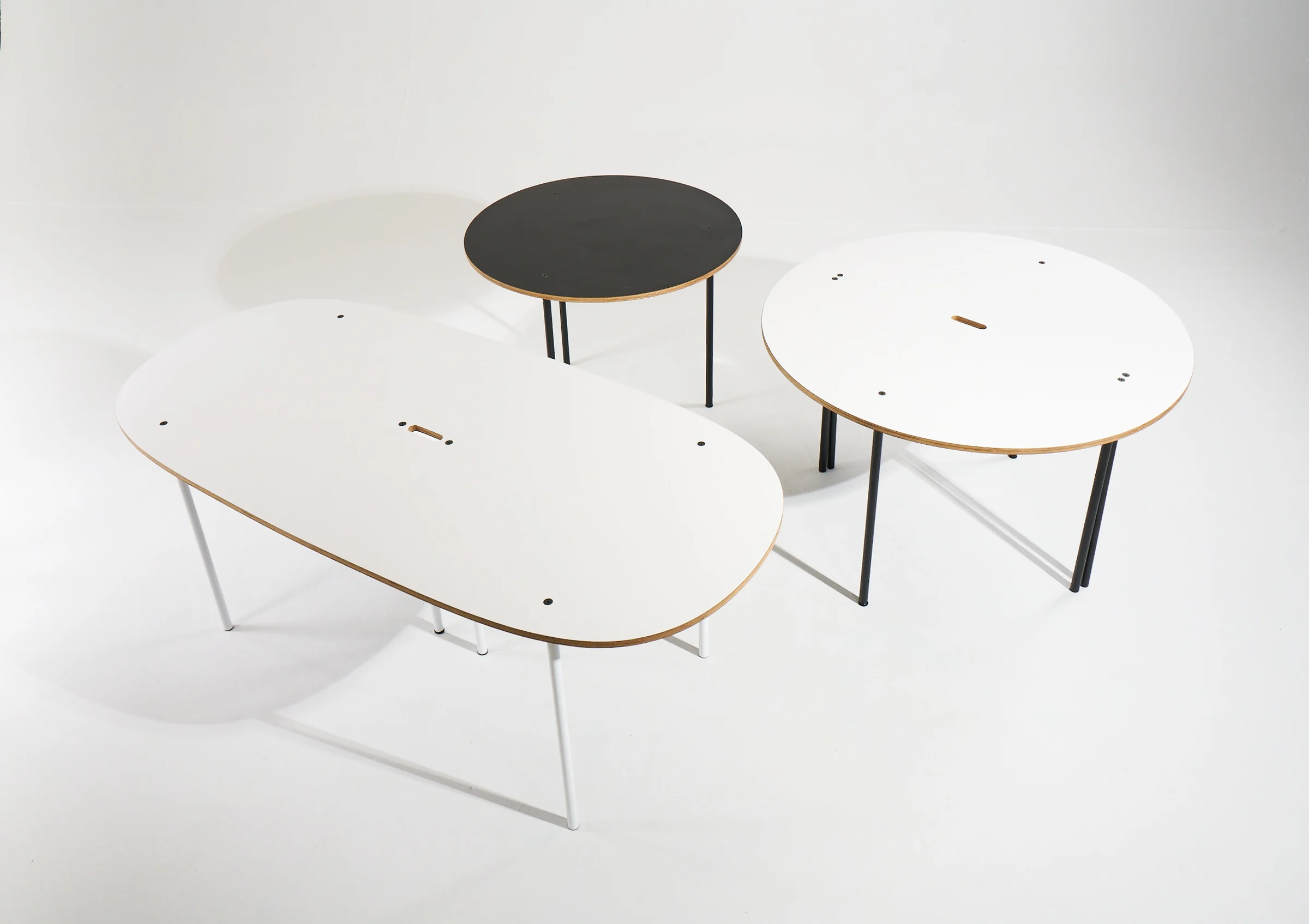
Versatility begins with a useful question: could the same object do more? Could it fold away, change size, or find a different role when the room changes?
Our aim is to create pieces people can keep using as their lives evolve. Quality materials and intentional components give that ambition a tangible form.
curious play
Start with less.
See what it can do.
Wood has structure and warmth. Metal gives us slender frames. Felt brings color, softness, and the ability to bend. We explored what happens when these qualities work together—when the material itself helps make the connection, the container, or the door.
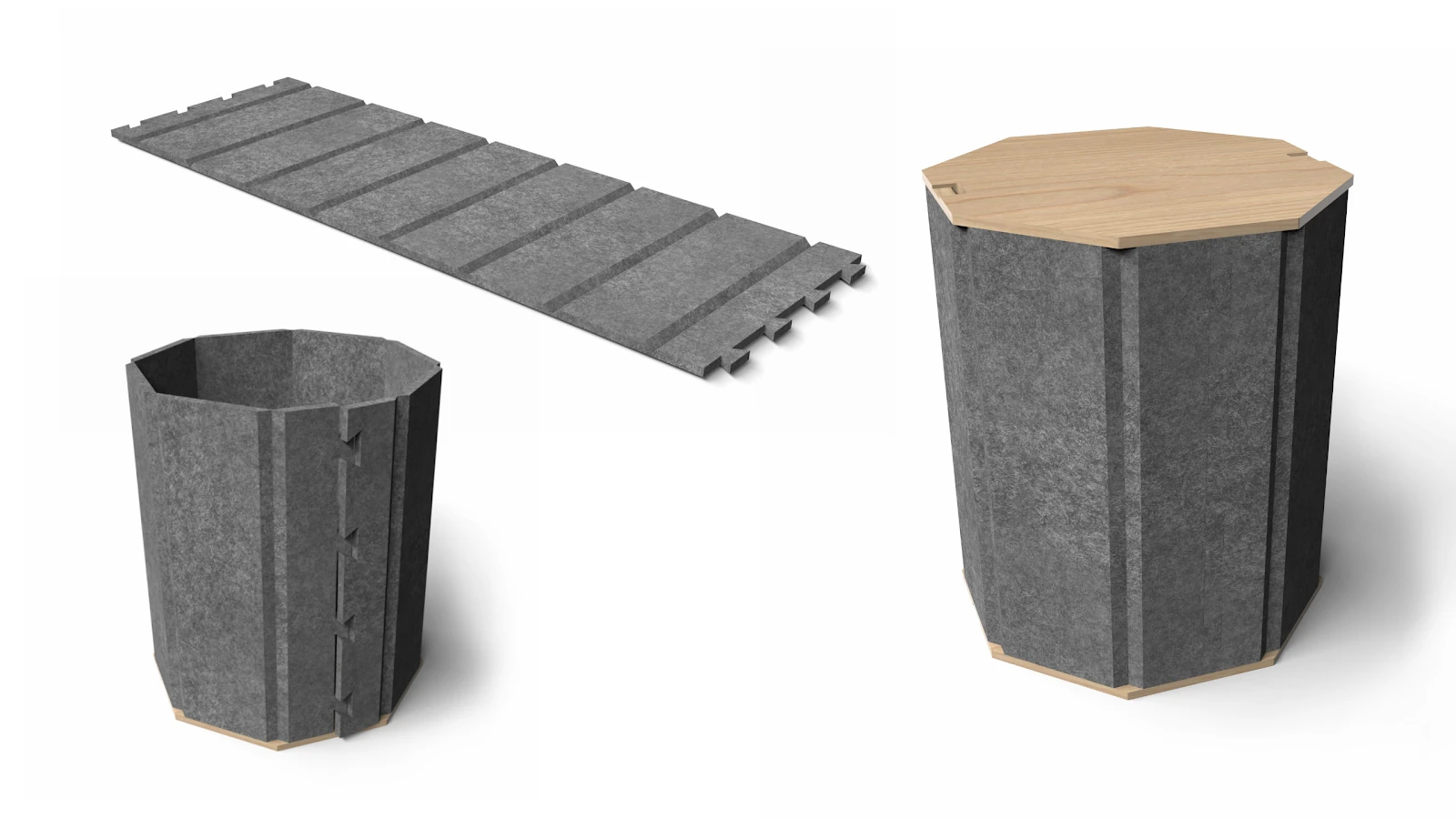
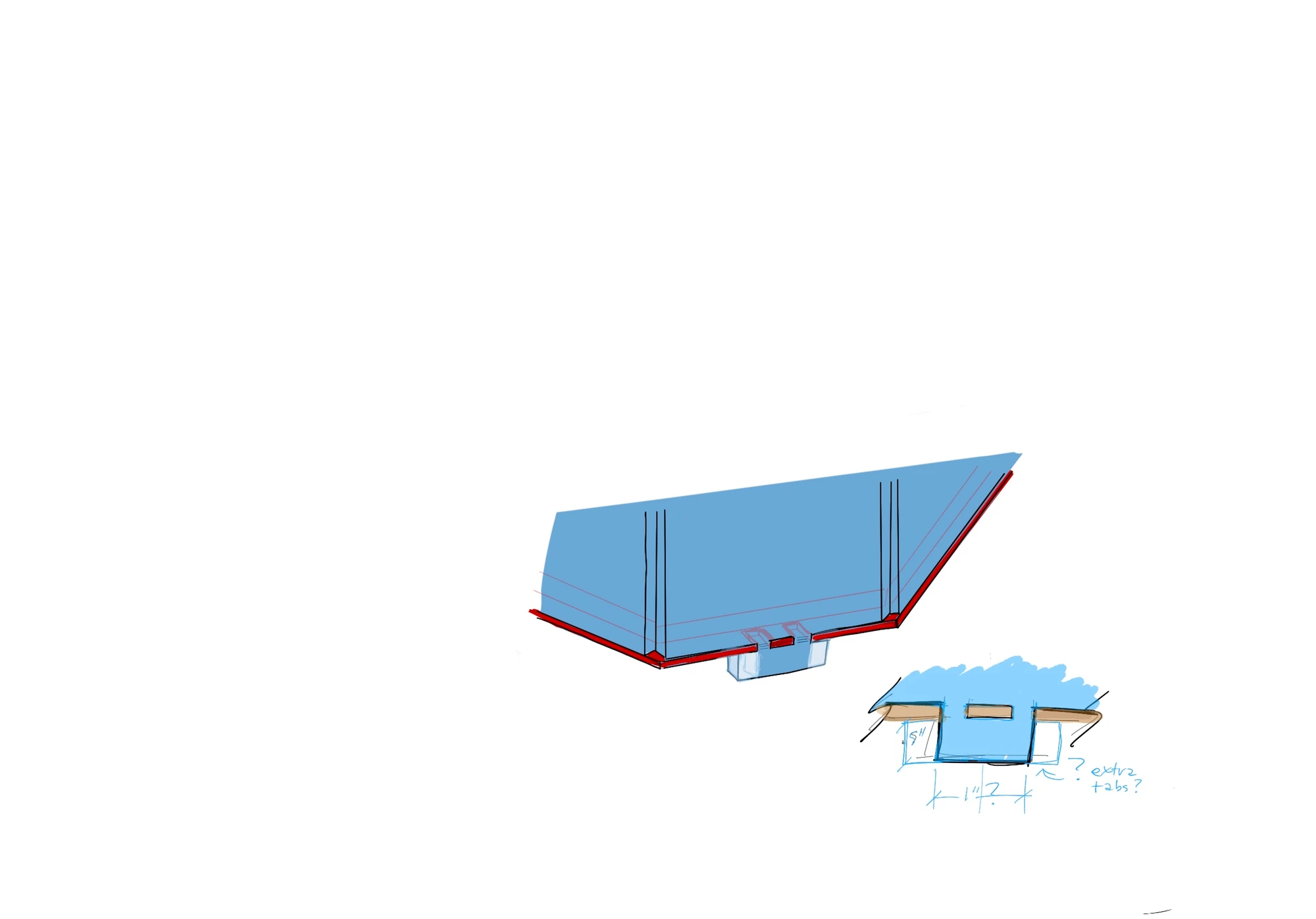
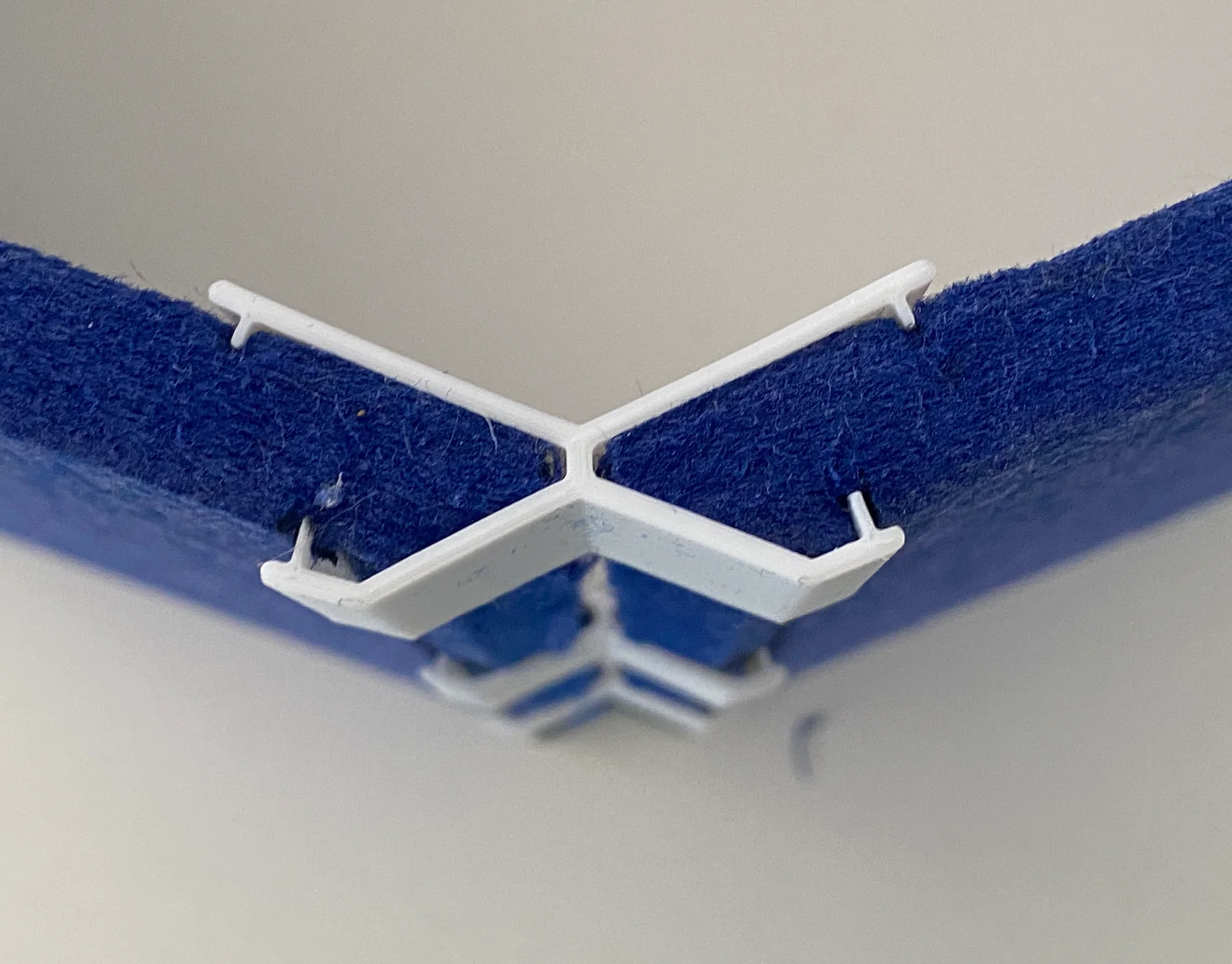
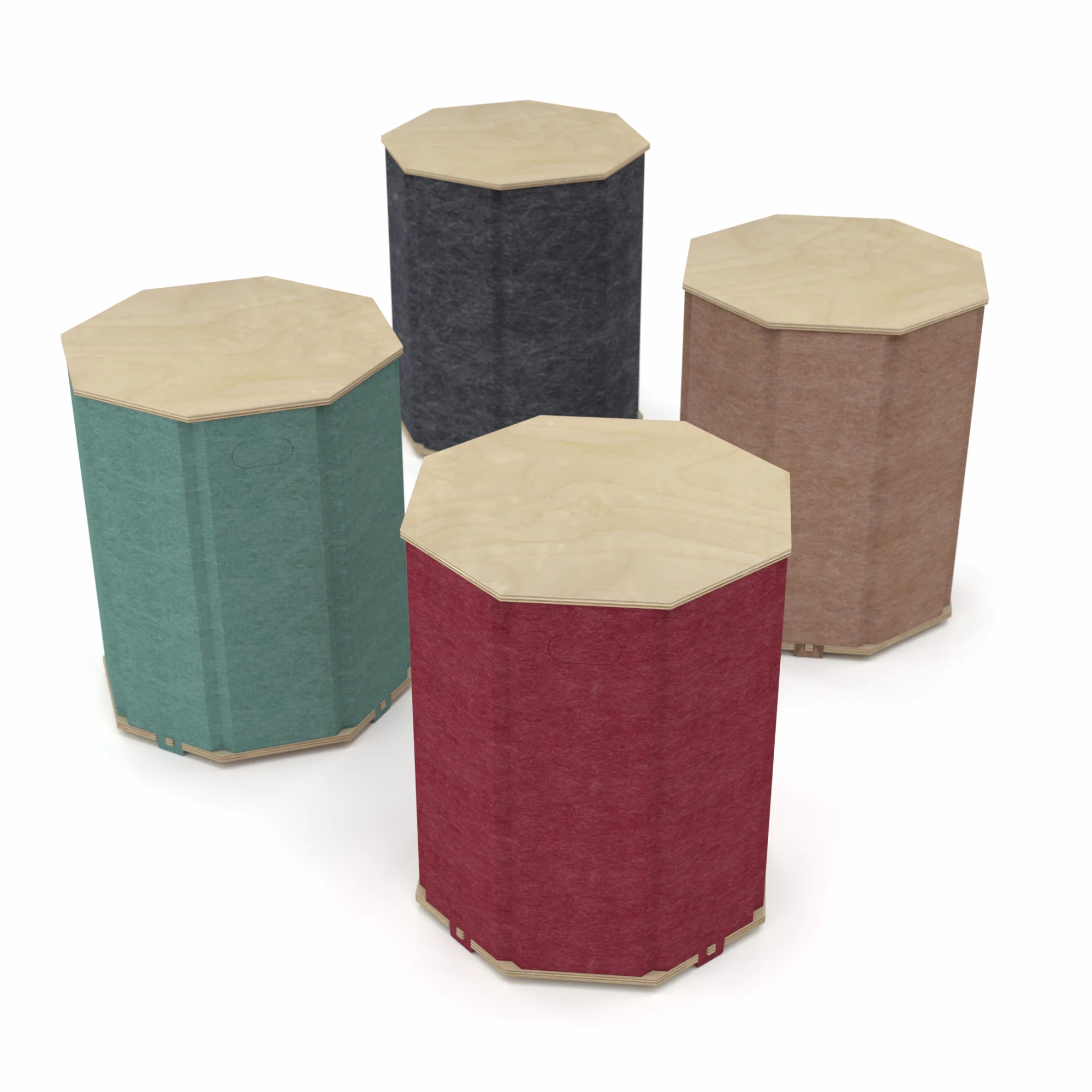
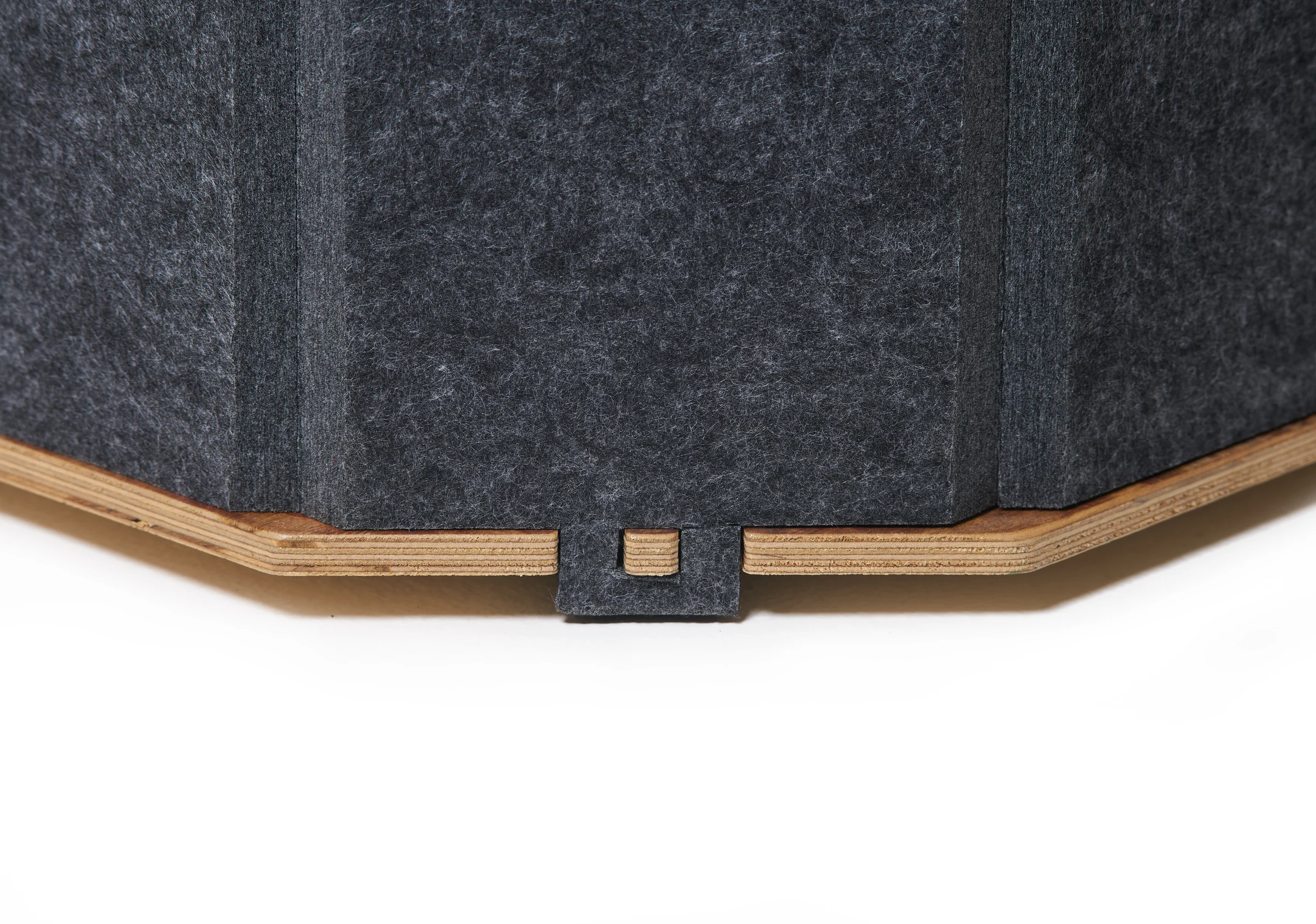
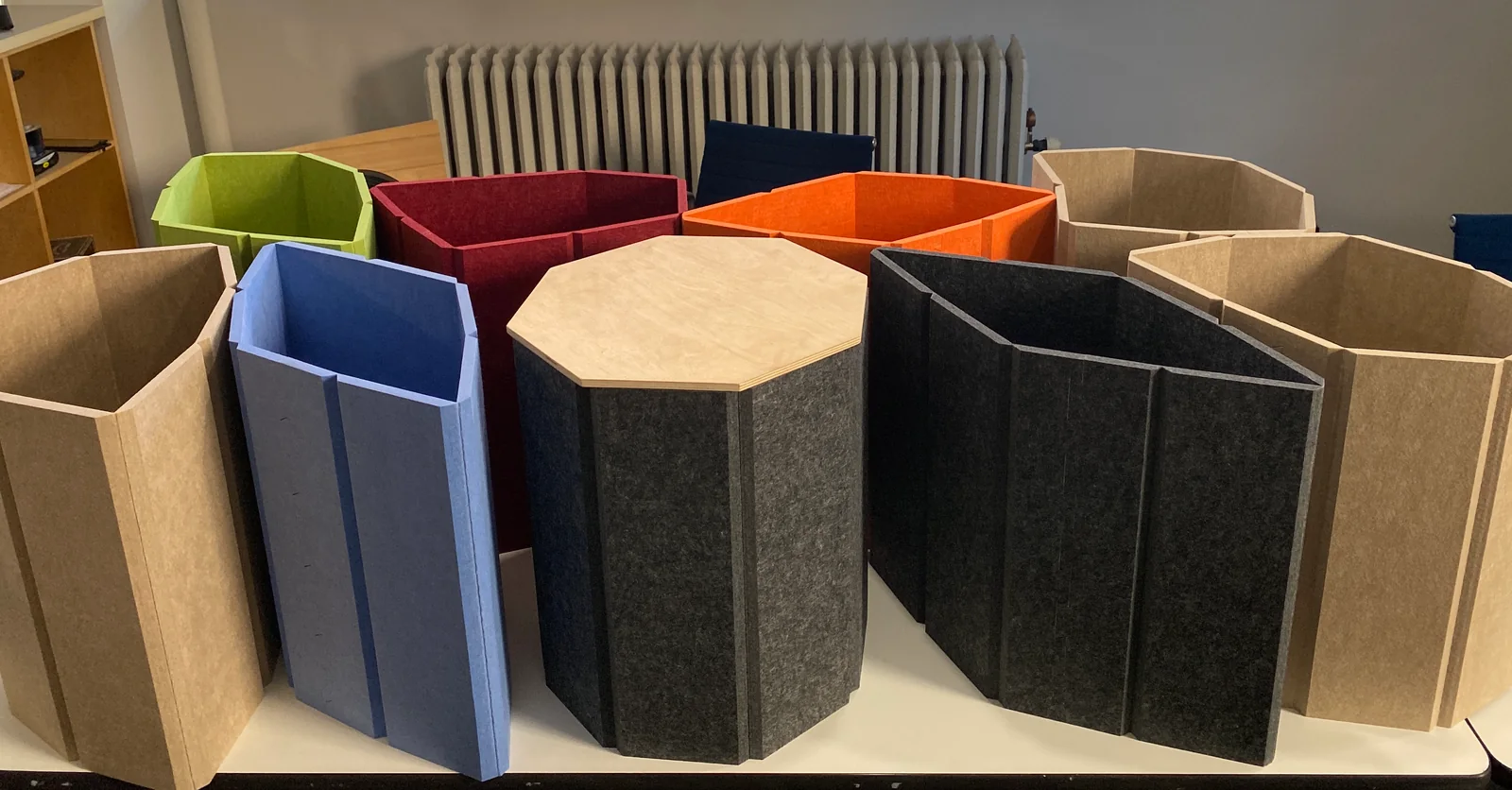
For Snafu, the question was how a flat felt panel and a wooden base could become a useful container. Drawings explore the junction. Physical studies put folds and connections into our hands. Each approach gives us something different to examine.
a detail becomes a language
The connection
is part of the character.
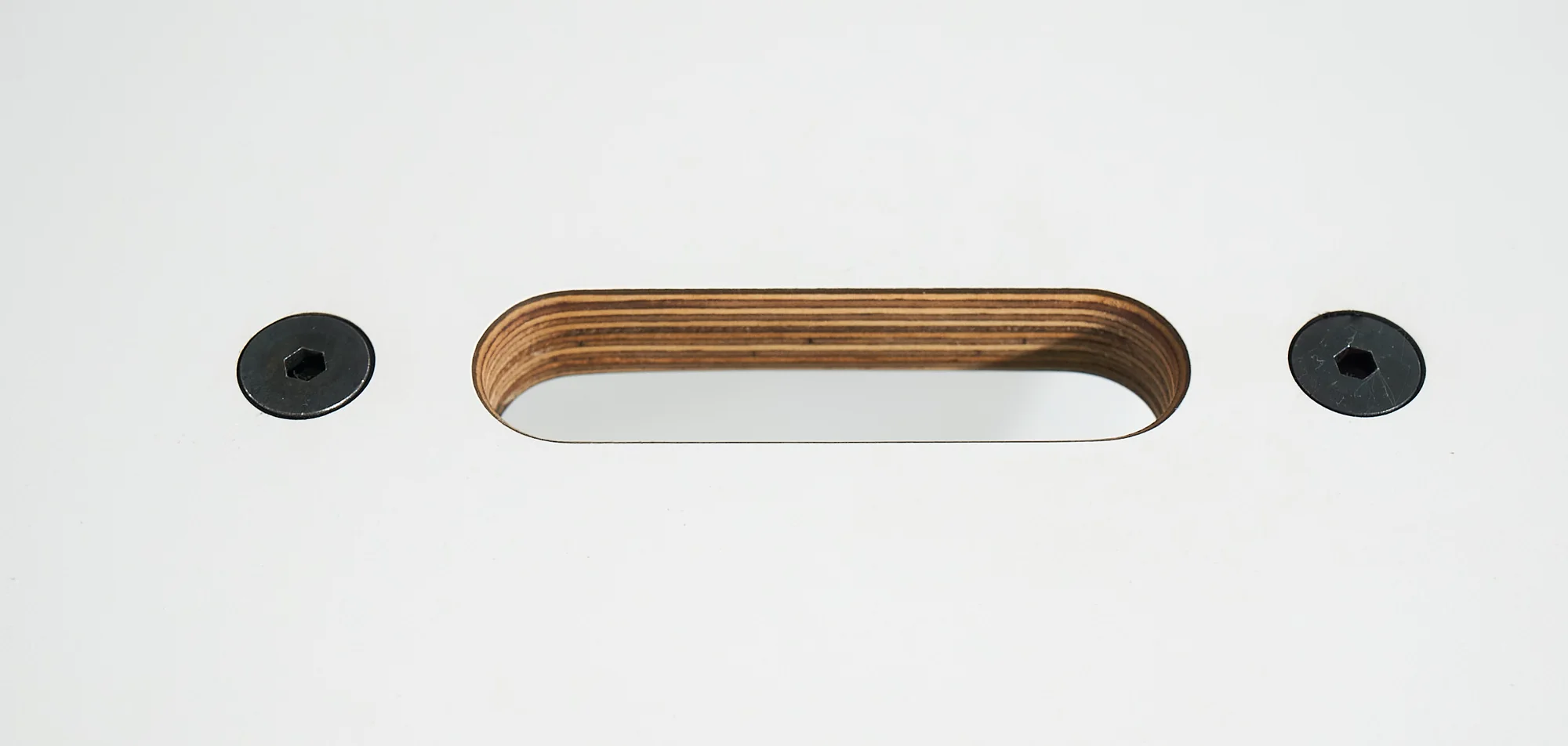
A visible edge. A tab. A handle cut into the material. These small decisions give the object its usefulness and its personality. The construction is also something to enjoy looking at.
build to learn
Make it real.
Then get curious again.
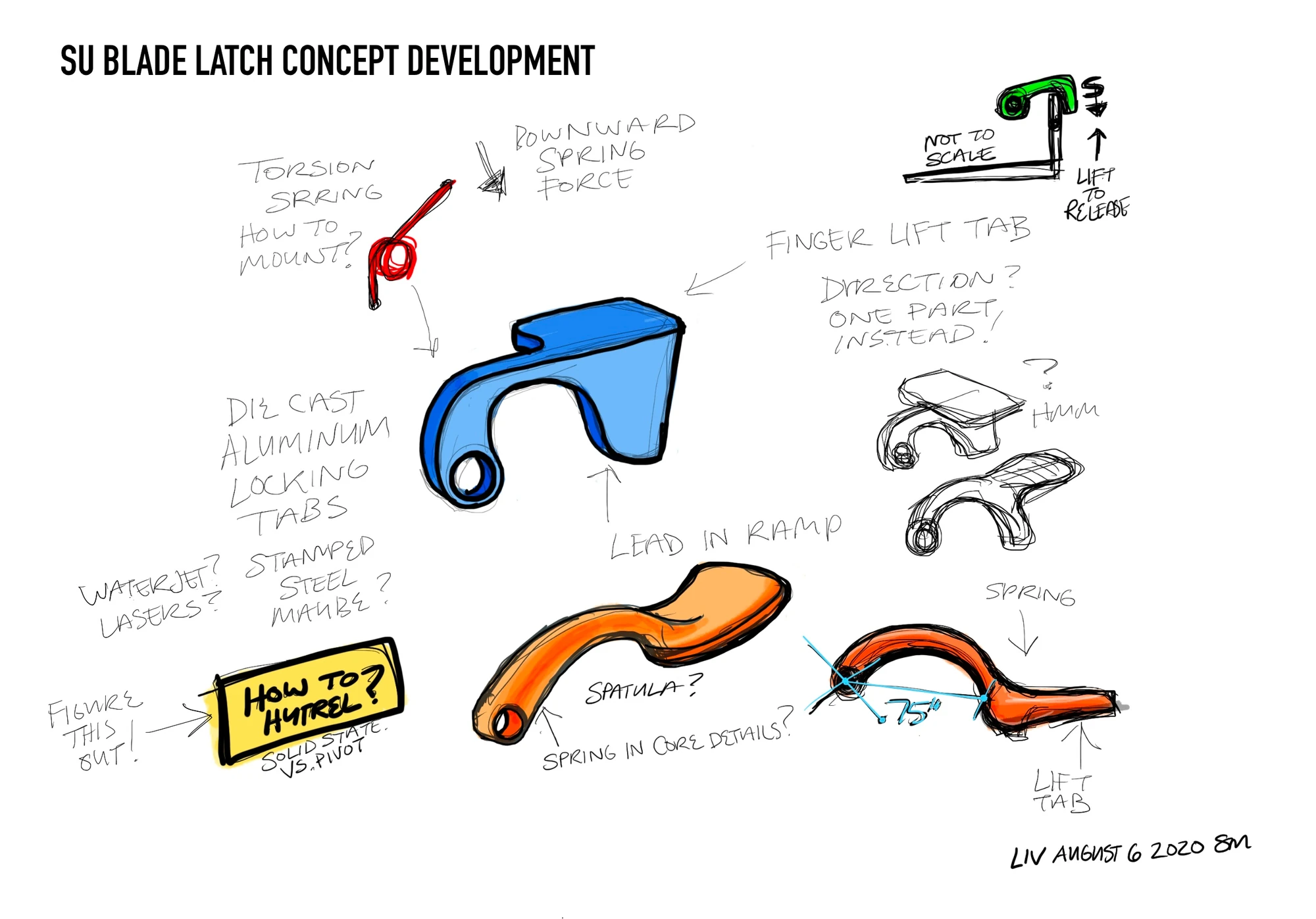
A convincing image can describe a possibility. A working object lets us pull on it, fold it, measure it, and try it again. Our development archive follows ideas down to the scale of a latch, a felt hinge, and the meeting of two parts.
su / from gesture to mechanism
The little movement
that makes a big difference.
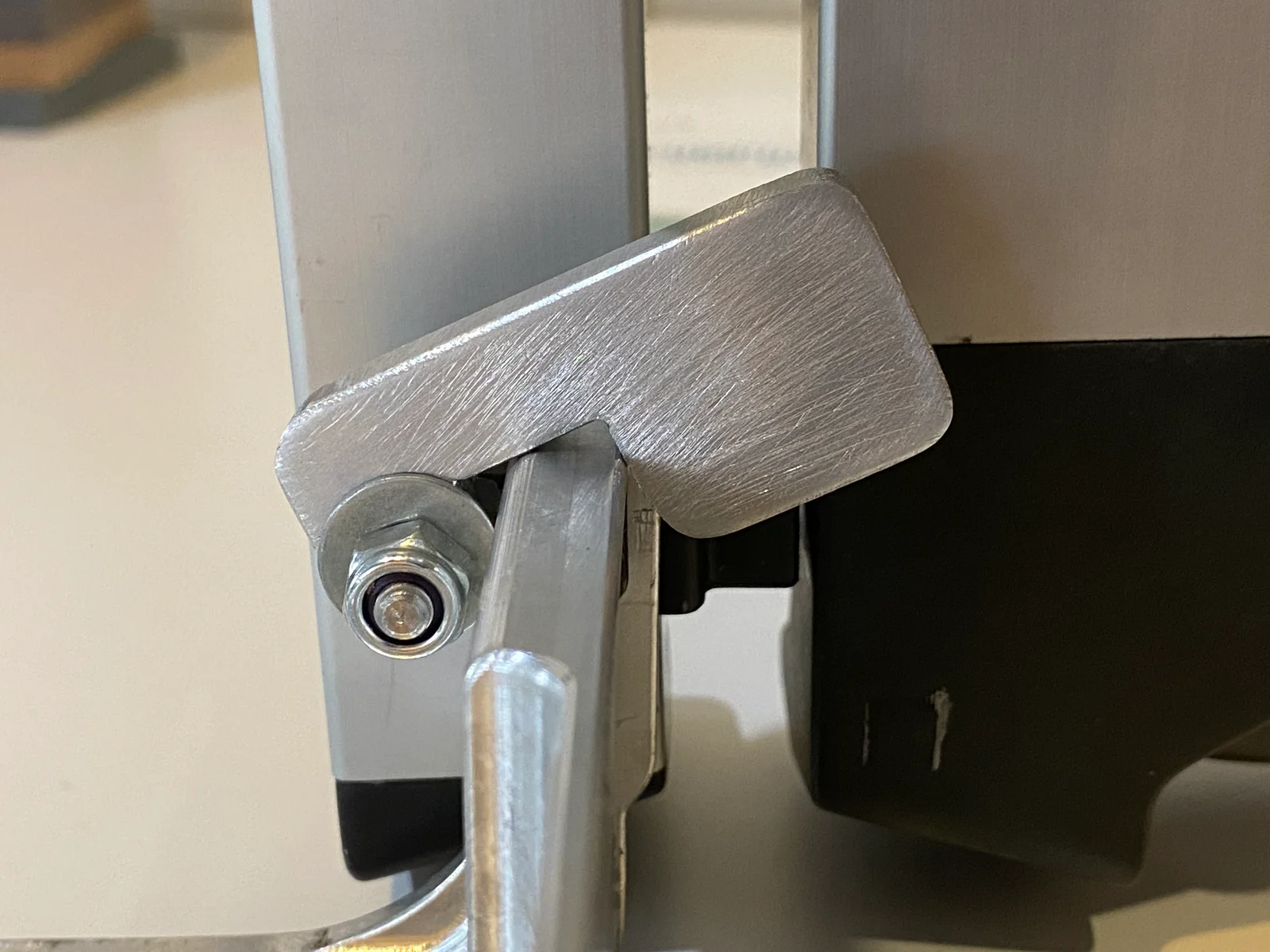
Su’s platform and latch studies bring an everyday action into close focus. Sketches explore how a release might work; the metal prototype makes the relationship between the moving parts visible and tangible.
We build to learn because the details have to work together—in the hand, underfoot, and when the object folds away.
agate / soft material, useful structure
What if the door
could bend?
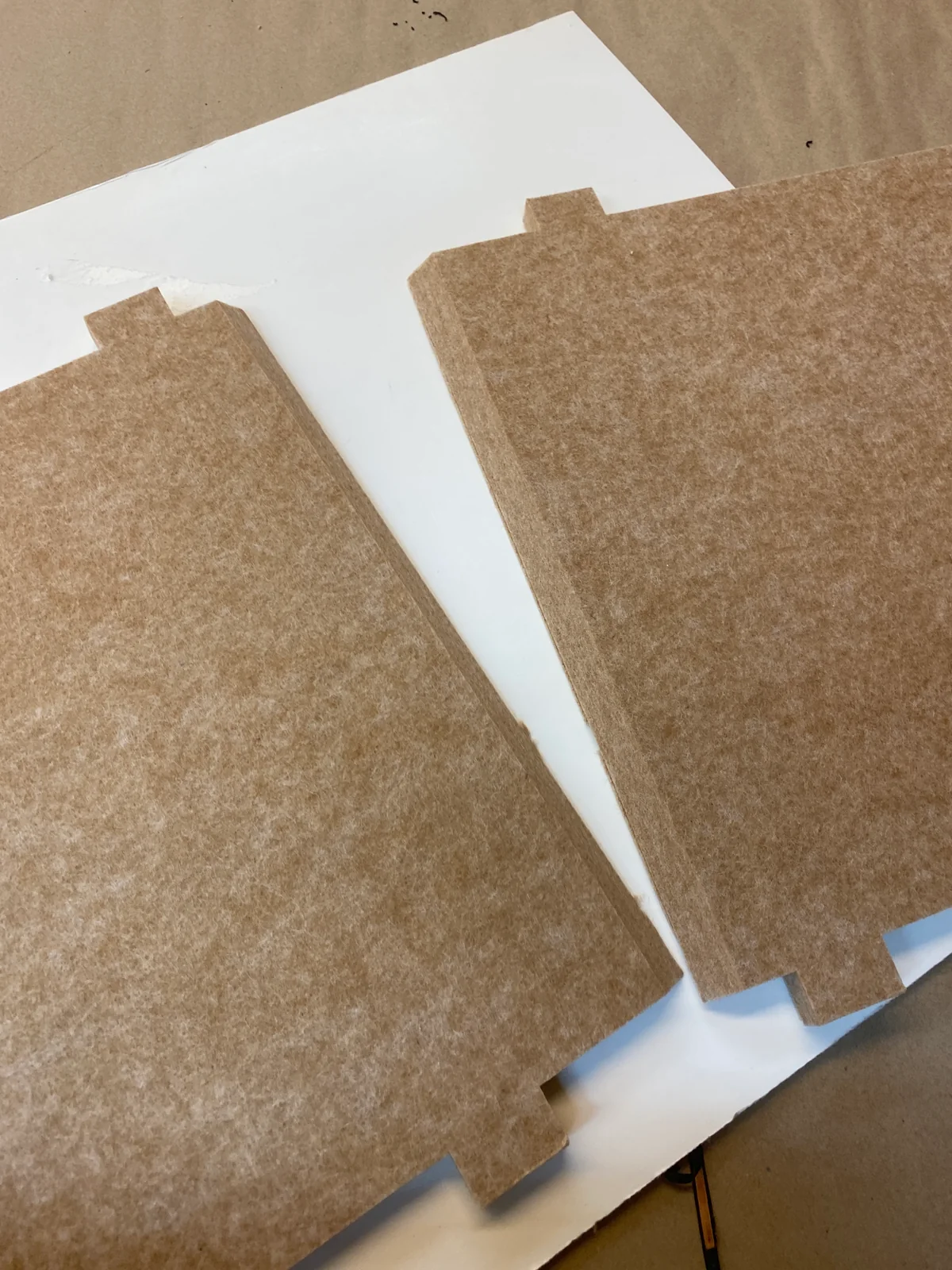
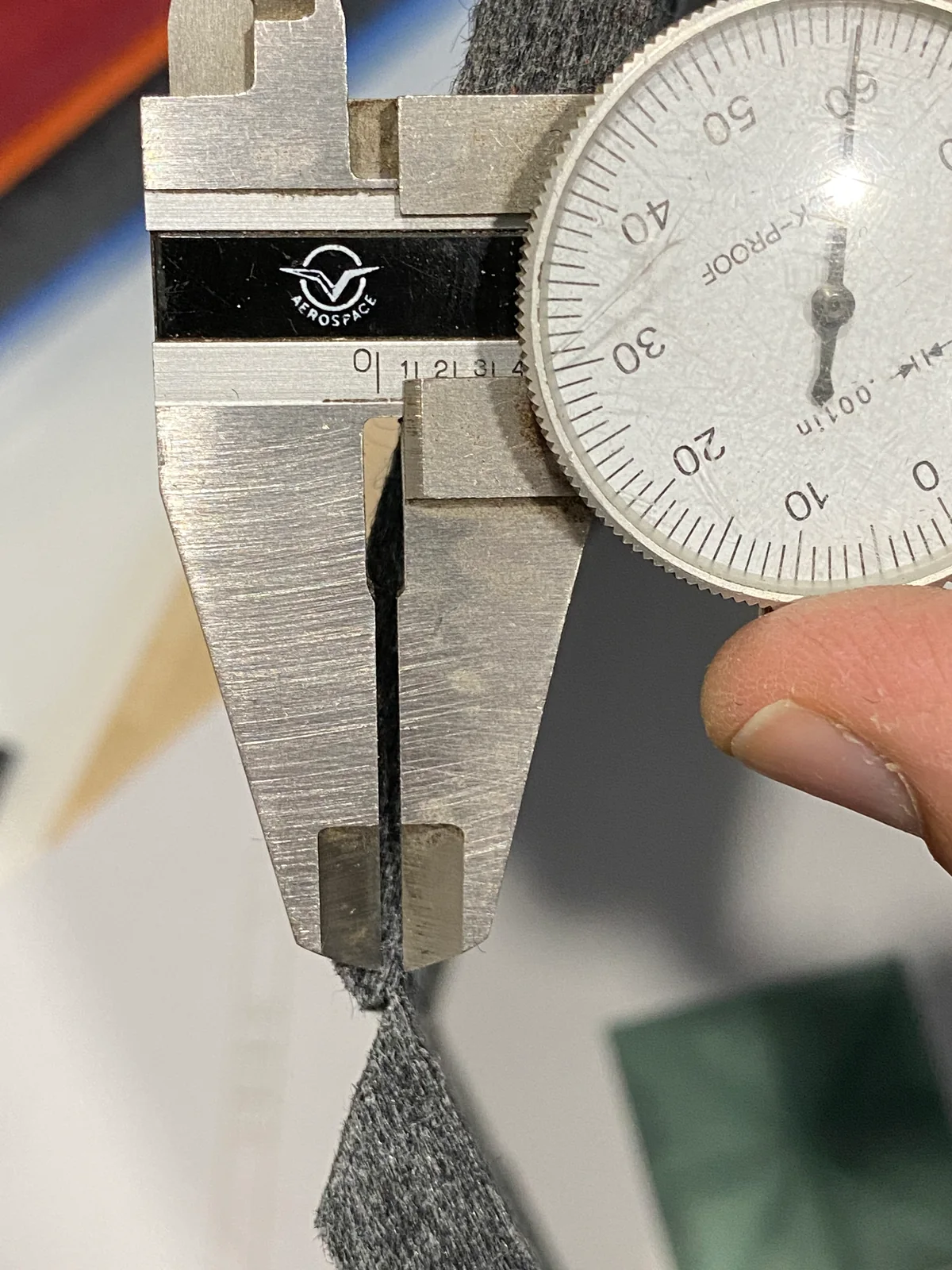
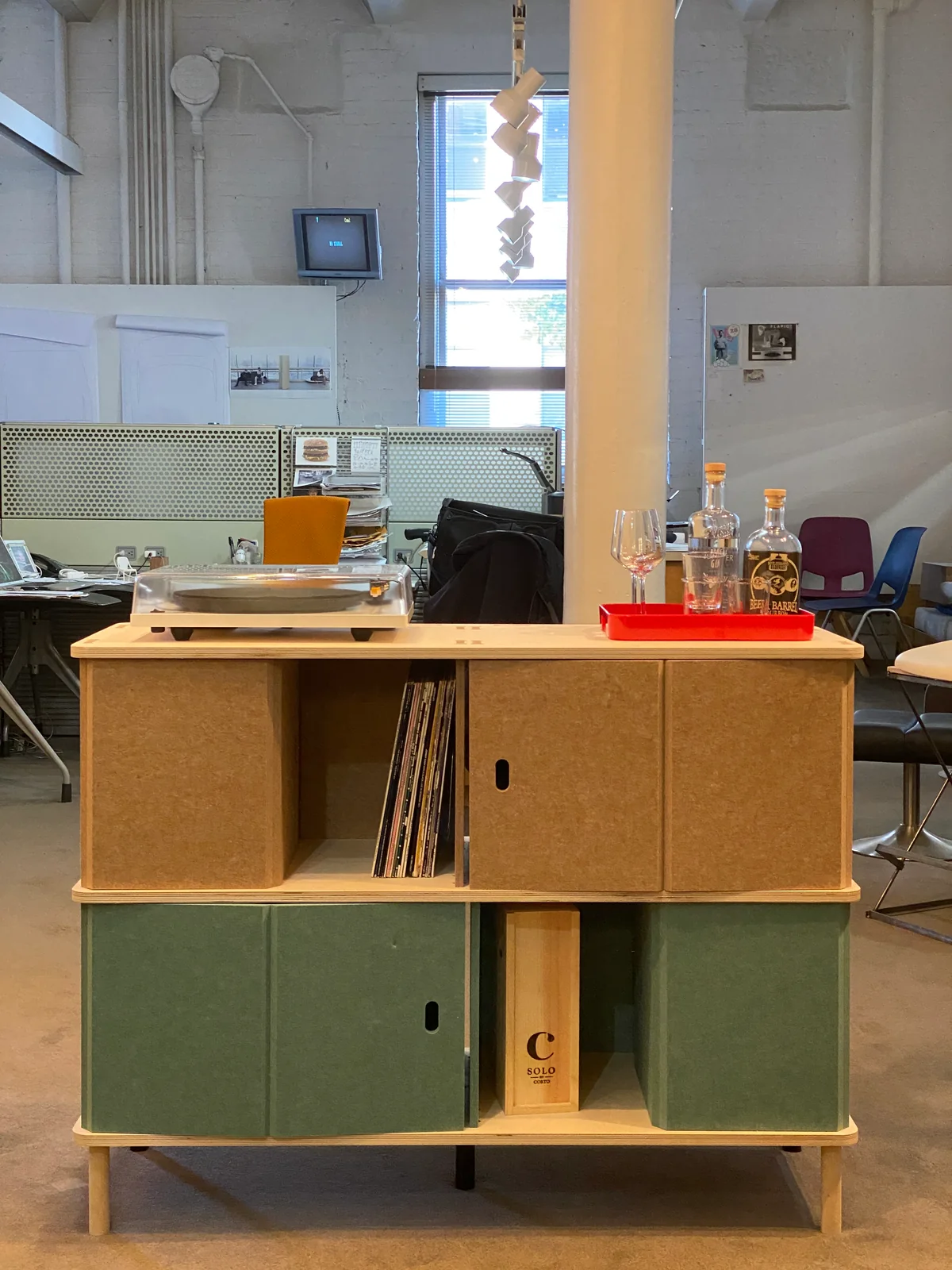
With Agate, we explored felt as part of the cabinet itself. Flat panel studies, measured thicknesses, and full-size cabinets let us examine the relationship between a flexible door and a rigid wooden structure.
The work moves between the whole object and the smallest connection. Both belong to the same question: how much can we ask a few purposeful materials to do?
Fold. Fit. Open. Close.
The ordinary is worth exploring.
products that evolve with you
A little change.
A different room.
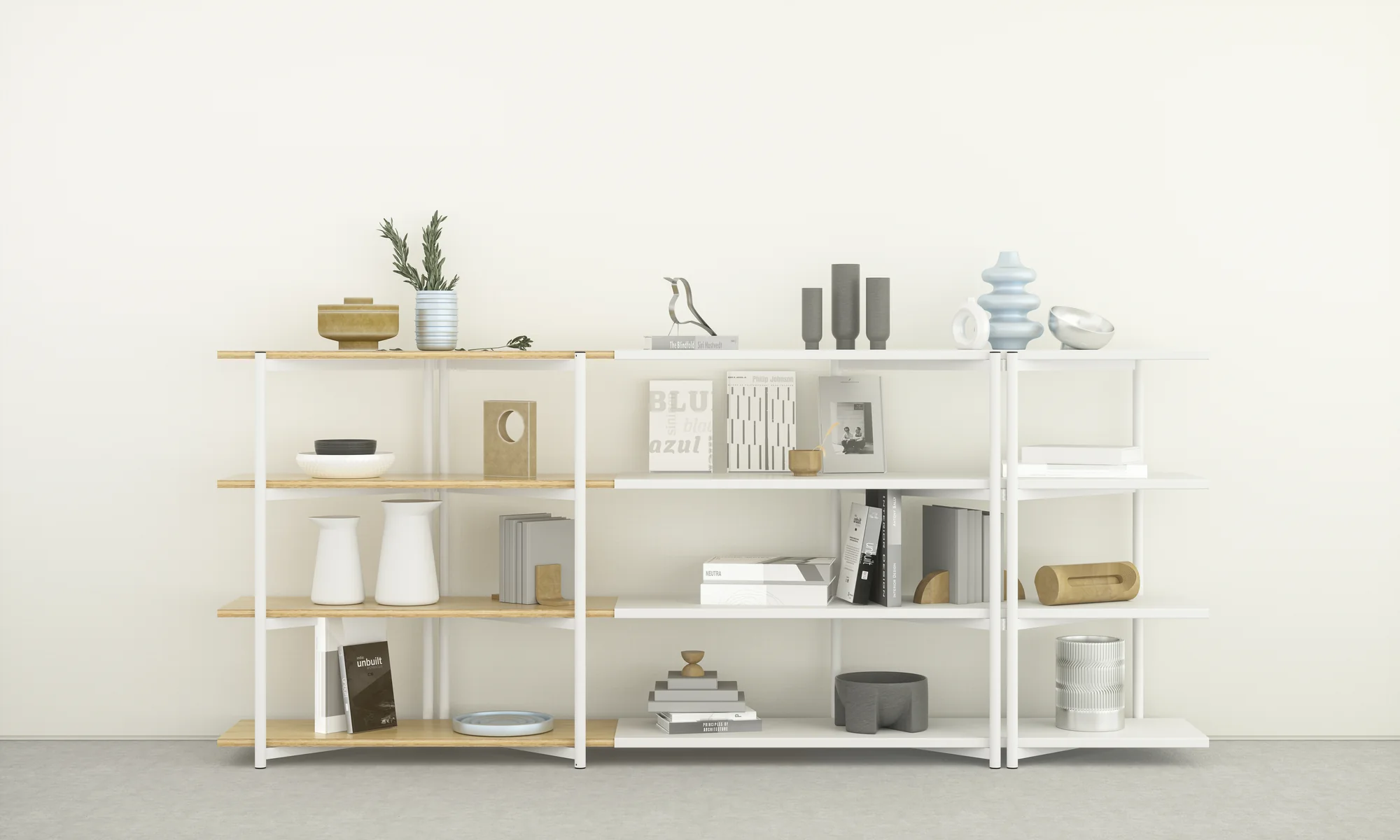
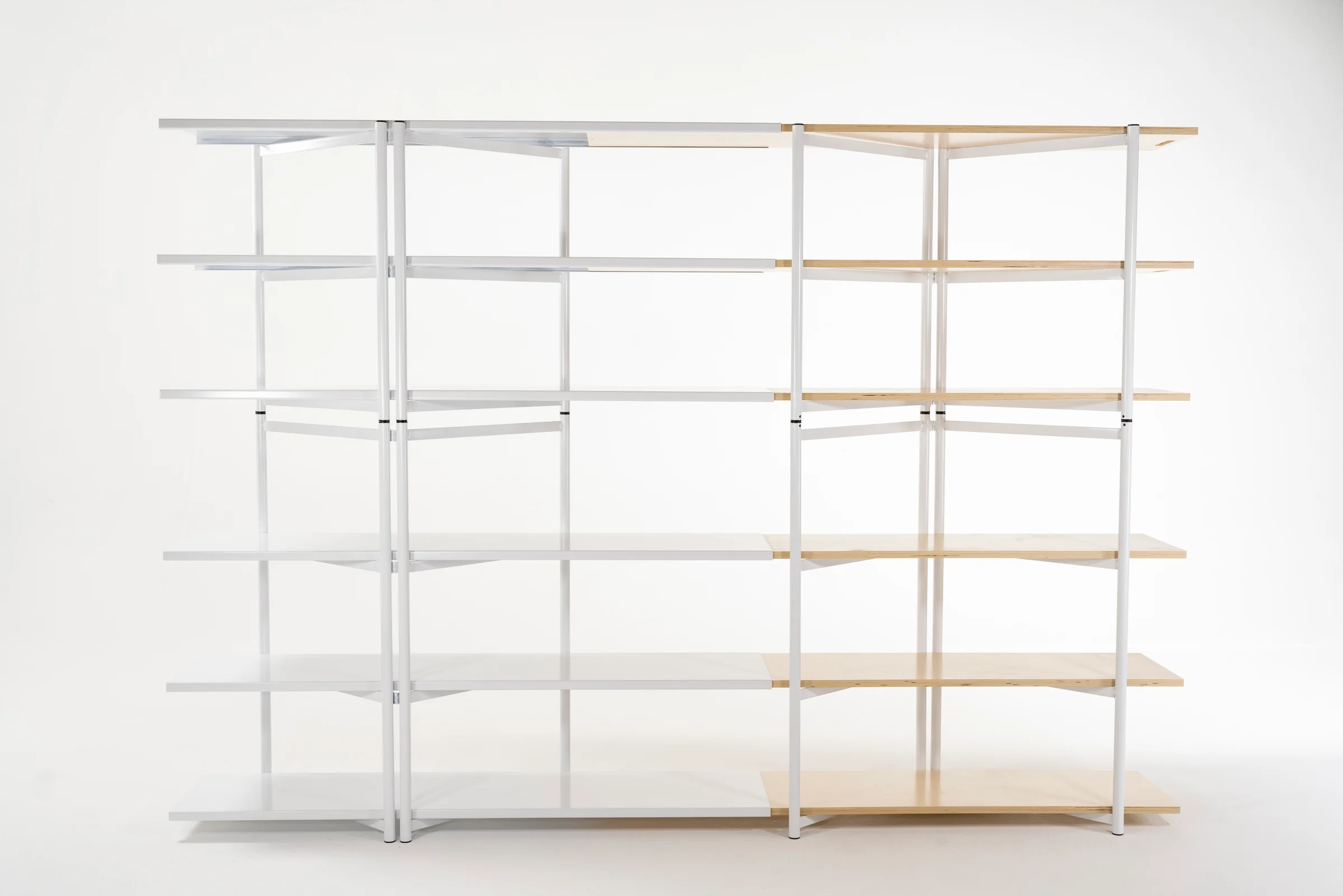
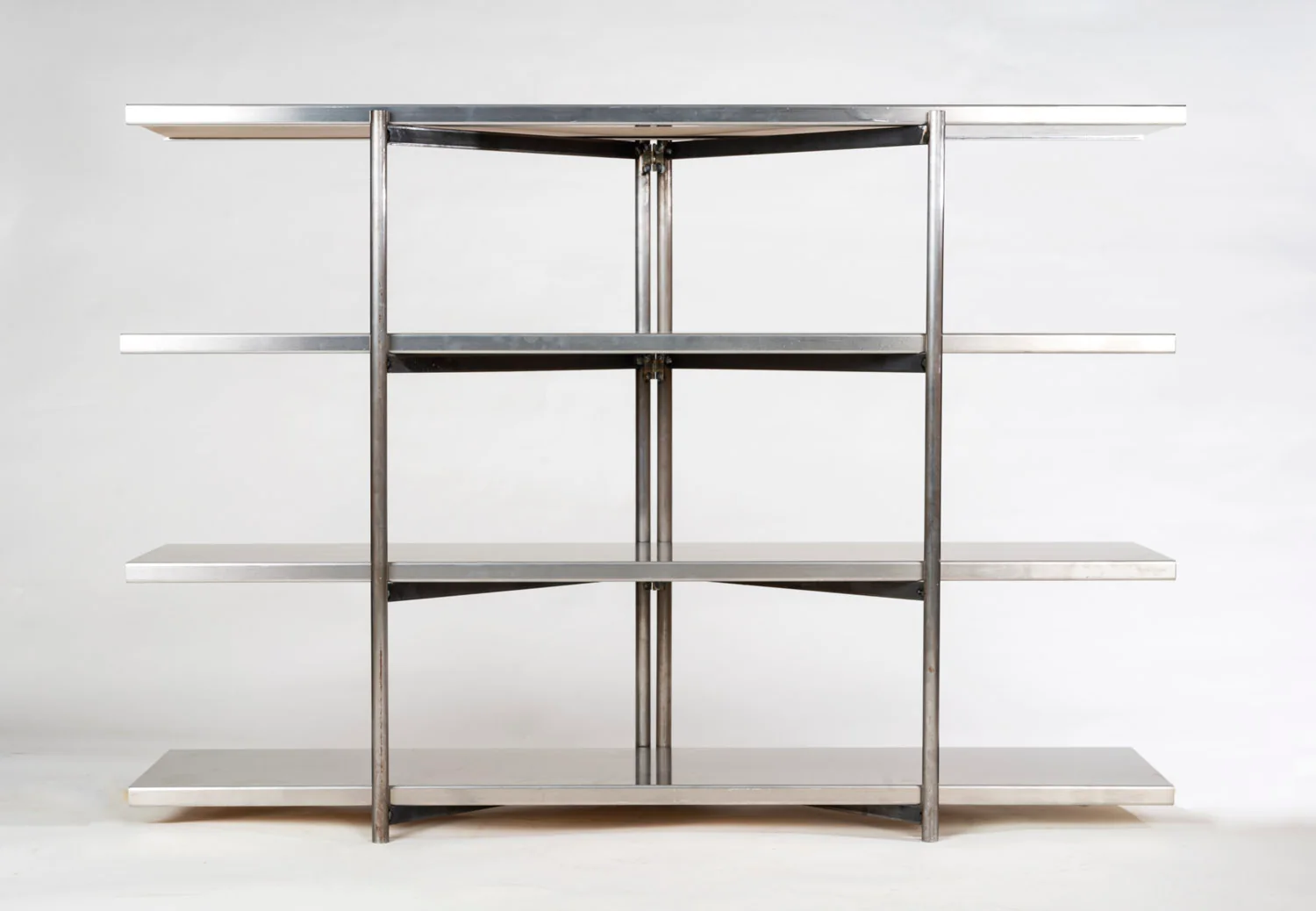
Flo makes adaptability visible. Its open frame and shelves form a system that can expand across a wall. The idea reaches beyond storage: a piece of furniture can have more than one useful arrangement.
flo / the way things go together
A simple gesture.
A considered connection.
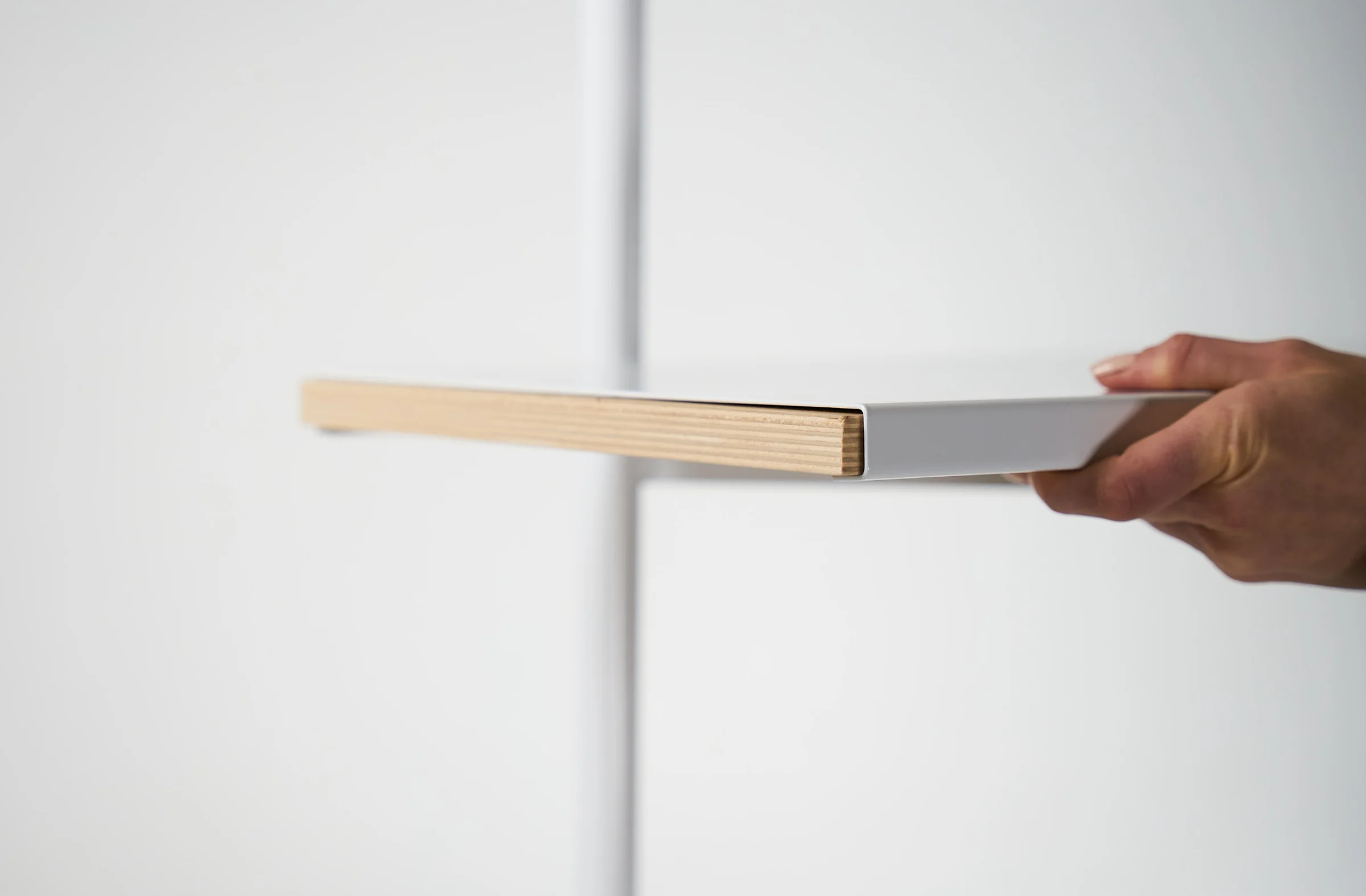
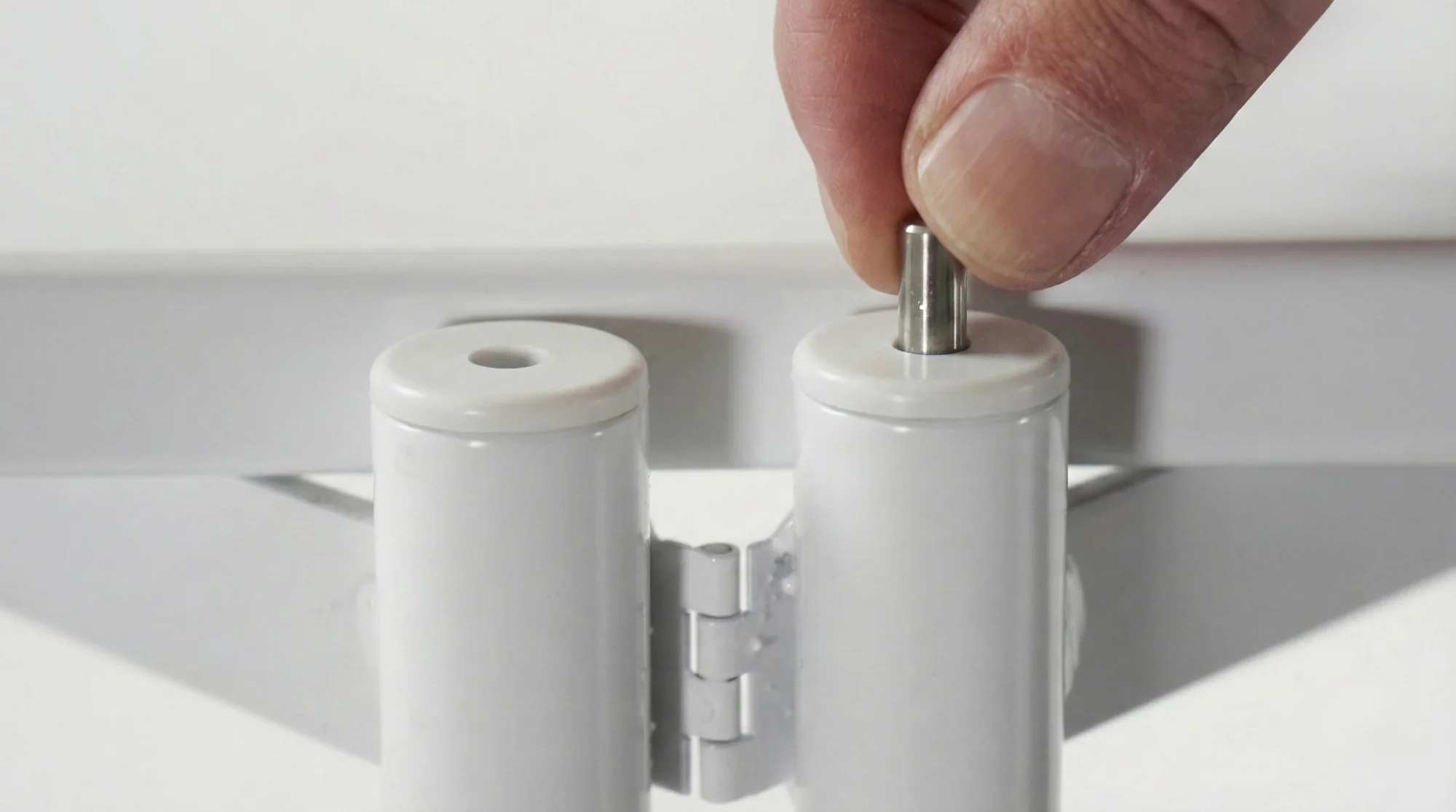
Hinges, pins, and shelf supports carry the practical work. We give these details the same attention as the overall form, because assembling and rearranging a piece are part of living with it.
su / carry · reach · put away
One object.
A few useful moves.
agate / a softer approach to storage
A place for things.
And a little character.
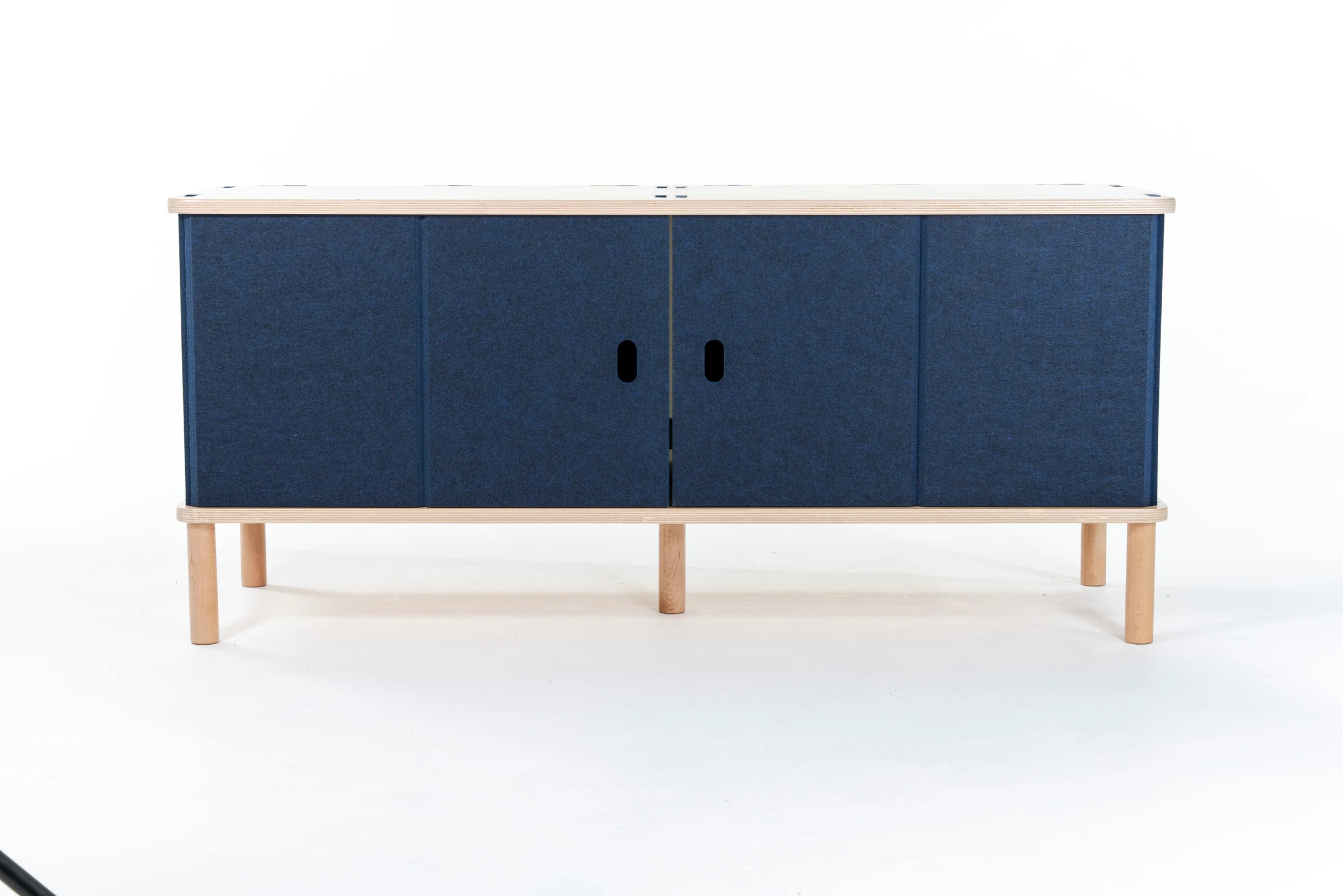
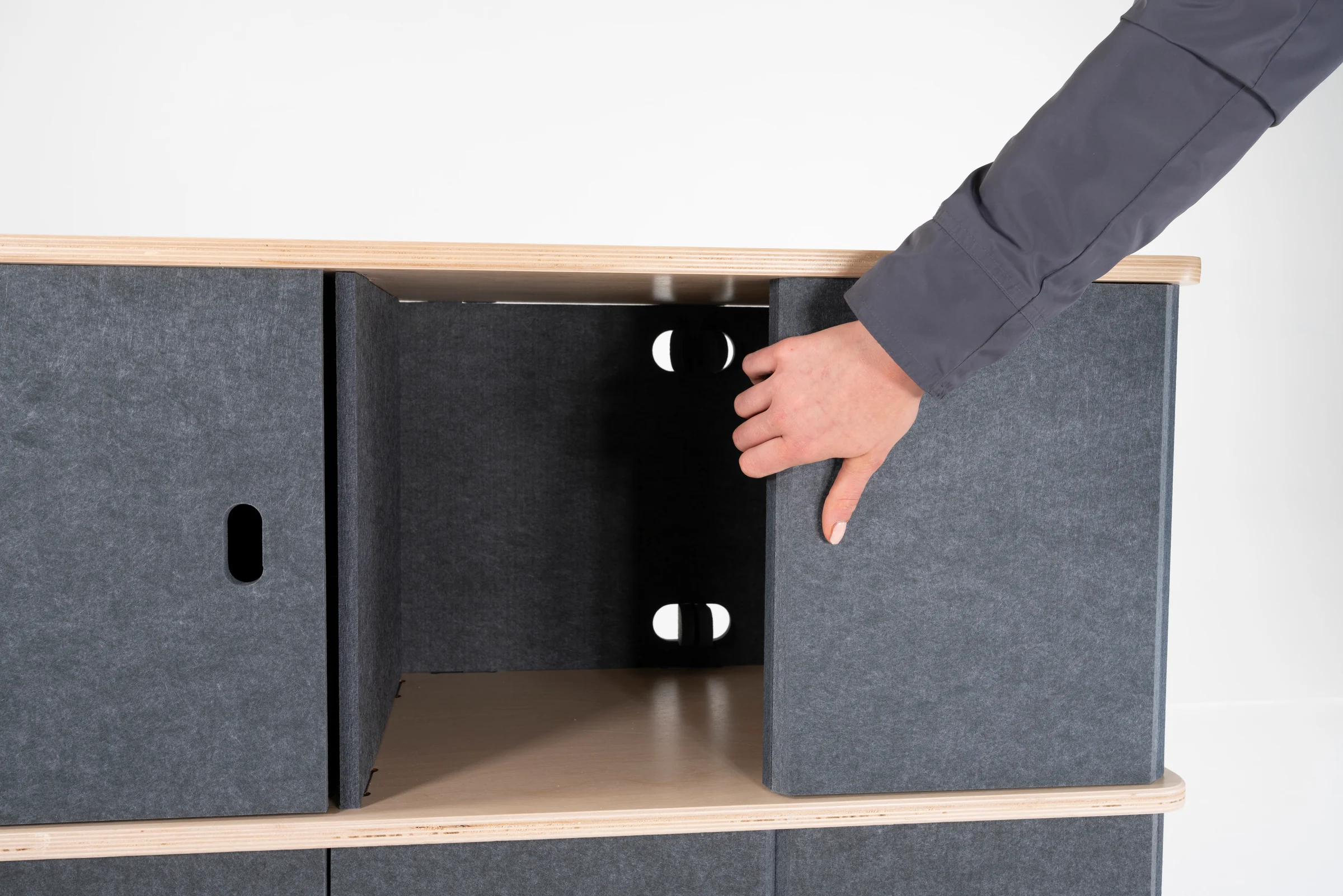
Agate brings the warmth of wood and the texture of felt together. Opening a door reveals the construction as well as the space inside. The familiar cabinet becomes an opportunity to reconsider how an everyday object feels.
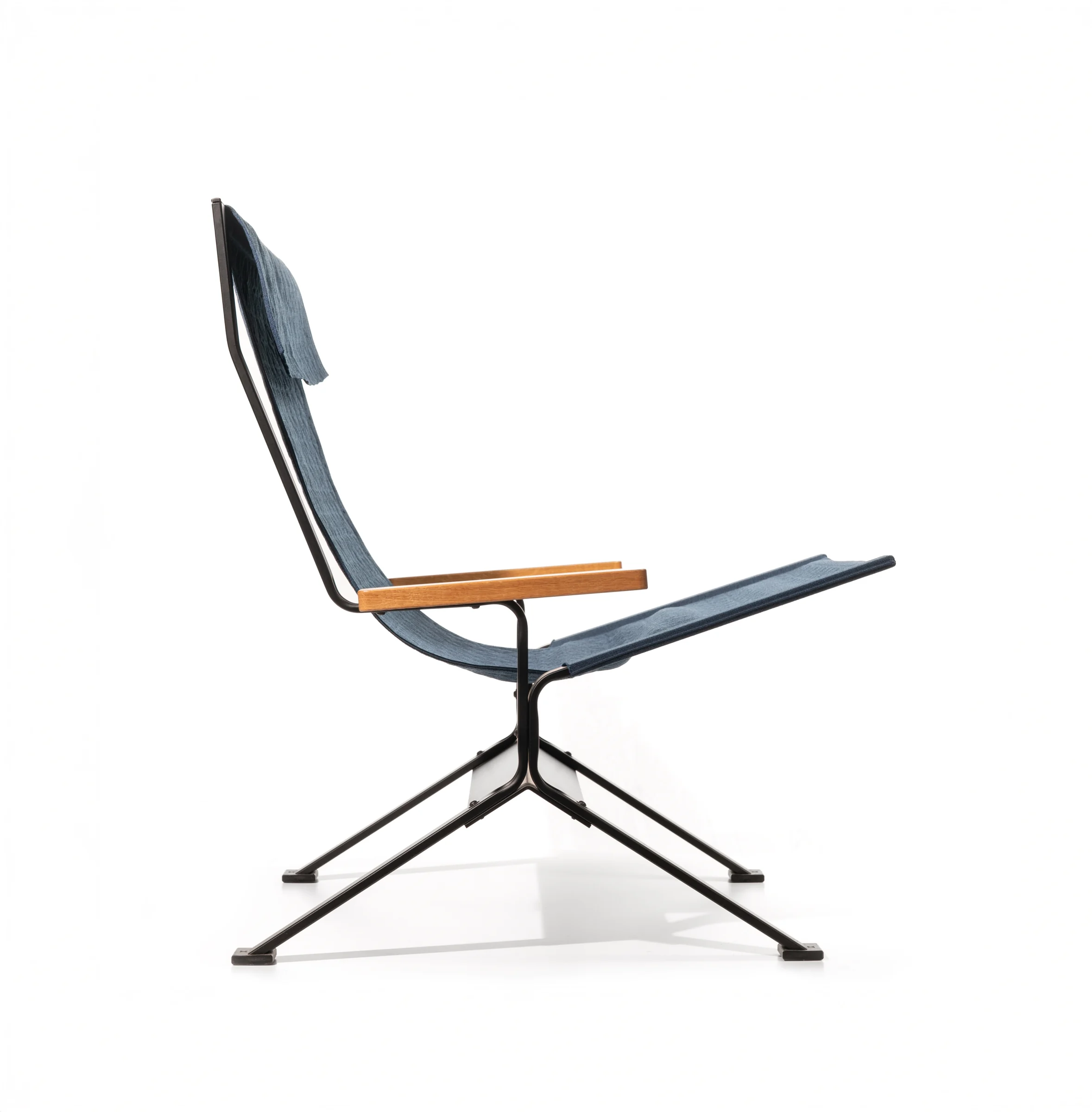
Across seating, tables, shelving, and storage, the family shares an interest in clear structure, useful details, and an economy of parts.
from product thinking to a whole brand
A way of making.
A way of living.
We developed LIV’s identity alongside the products. The brand gives a shared voice to the same ideas: serving people, making urban living easier, and reducing waste by designing for continued use.
The ambition is bigger than any single piece. We want the name, the forms, the materials, and the way the products work to feel like parts of one thoughtful world.

less complication.
more possibility.
a little delight.
a studio weber venture
Product design and brand development
Studio Weber + Associates
the team bringing liv to life
Jeff Weber — President & Chief Designer
Natalie Weber — COO & Designer
Jim Moore — CFO
small actions, in motion
Some things are better
shown.
From a prototype door to a felt container taking shape, these short films bring the movement back into the objects. Play them at your own pace.
Snafu takes shape
A flat felt panel and wooden parts become a grey Snafu container.
Use the video controls to start the film.
A different kind of door
Hands open and close the felt doors of an Agate cabinet prototype.
Use the video controls to start the film.
A small mechanism, up close
A close view of the Su platform and latch in motion.
Use the video controls to start the film.
Arranging Flo
Moving frames and shelves during a studio photo shoot.
Use the video controls to start the film.
the arts of daily living
A useful object.
A small everyday pleasure.
That is what we want LIV to bring into a home: thoughtful products that make room for life, and a little delight in the things we do every day.
Explore LIV Goods ↗What would you like to know about Studio Weber?