caper
good seating,
within reach.
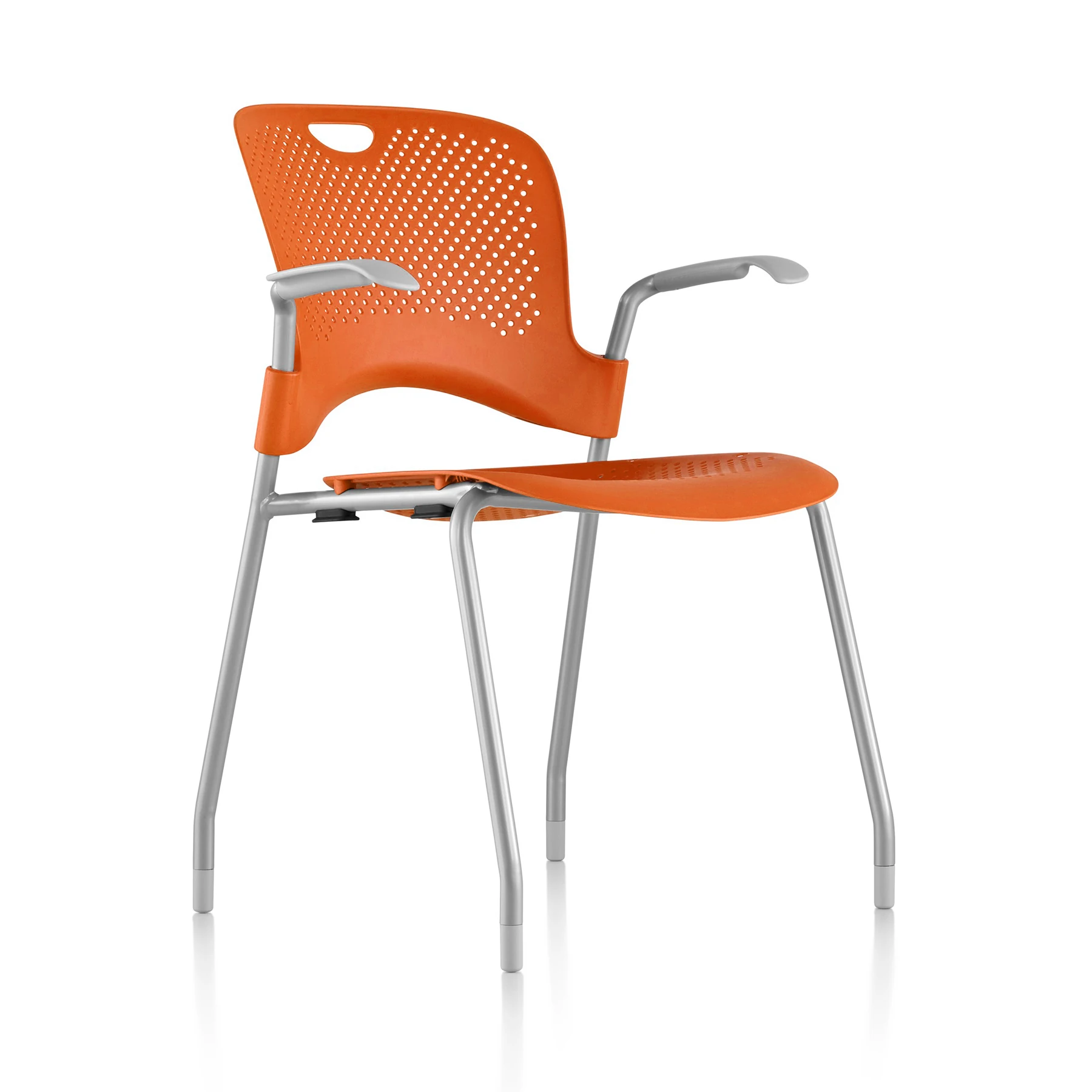
A chair in a shared room has more than one job. It needs to support the person sitting, move easily into a conversation, and make room for what happens next.
With Caper, we set out to bring comfort, mobility and affordability together. The opportunity was to find more performance in familiar materials, shaped and assembled with care.
“Too much good design seems expensive,”
Jeff Weber / on Caper
… “I wanted to break that cliché.”
questions made physical.
How could a light structure provide meaningful support? We explored the relationship between the seat, back and frame through drawing and making. The objects in our archive let us look closely at that relationship, from an idea on paper to a full-size chair.
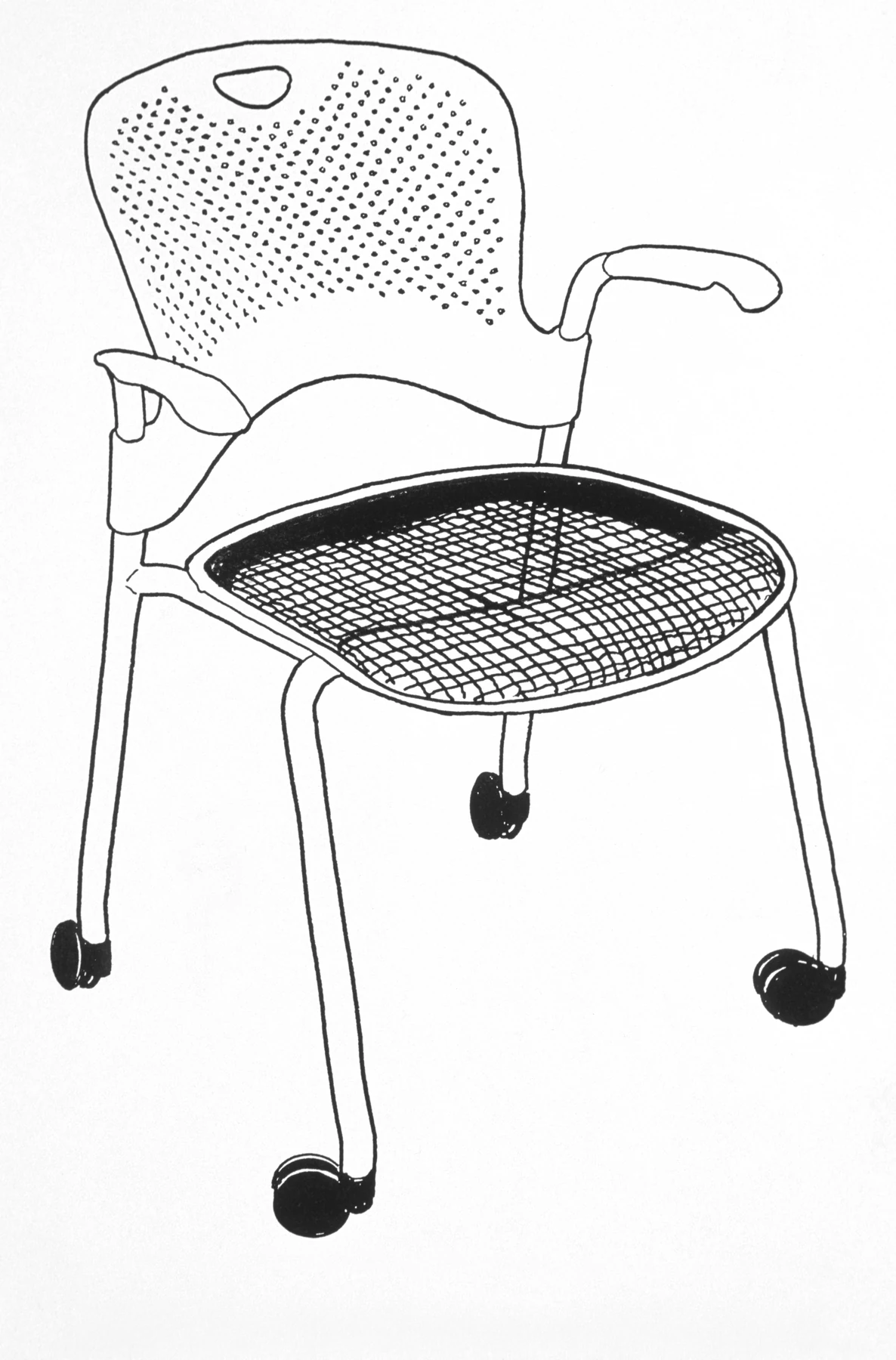
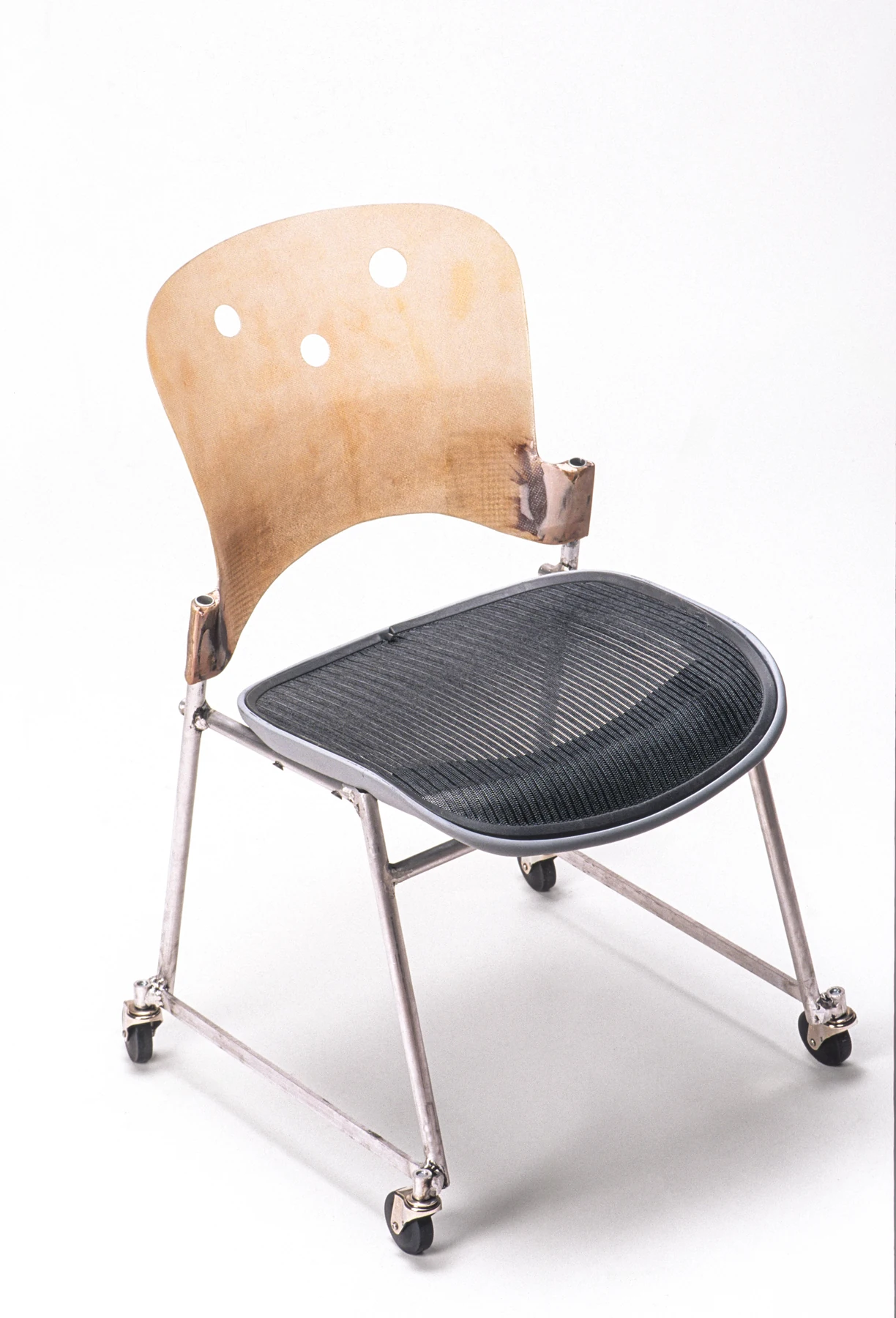
give an idea something to push against.
A drawing separates the suspension seat from the back. A prototype brings those parts together in physical form. Other configurations explore different openings, seat surfaces and connections. Each object makes a design question tangible.
change the scale.
change the perspective.
Our archive also holds a different kind of model: a chair small enough to balance on a knife, and a room small enough to see all at once. At this scale, the object becomes part of a larger arrangement of people, furniture and space.
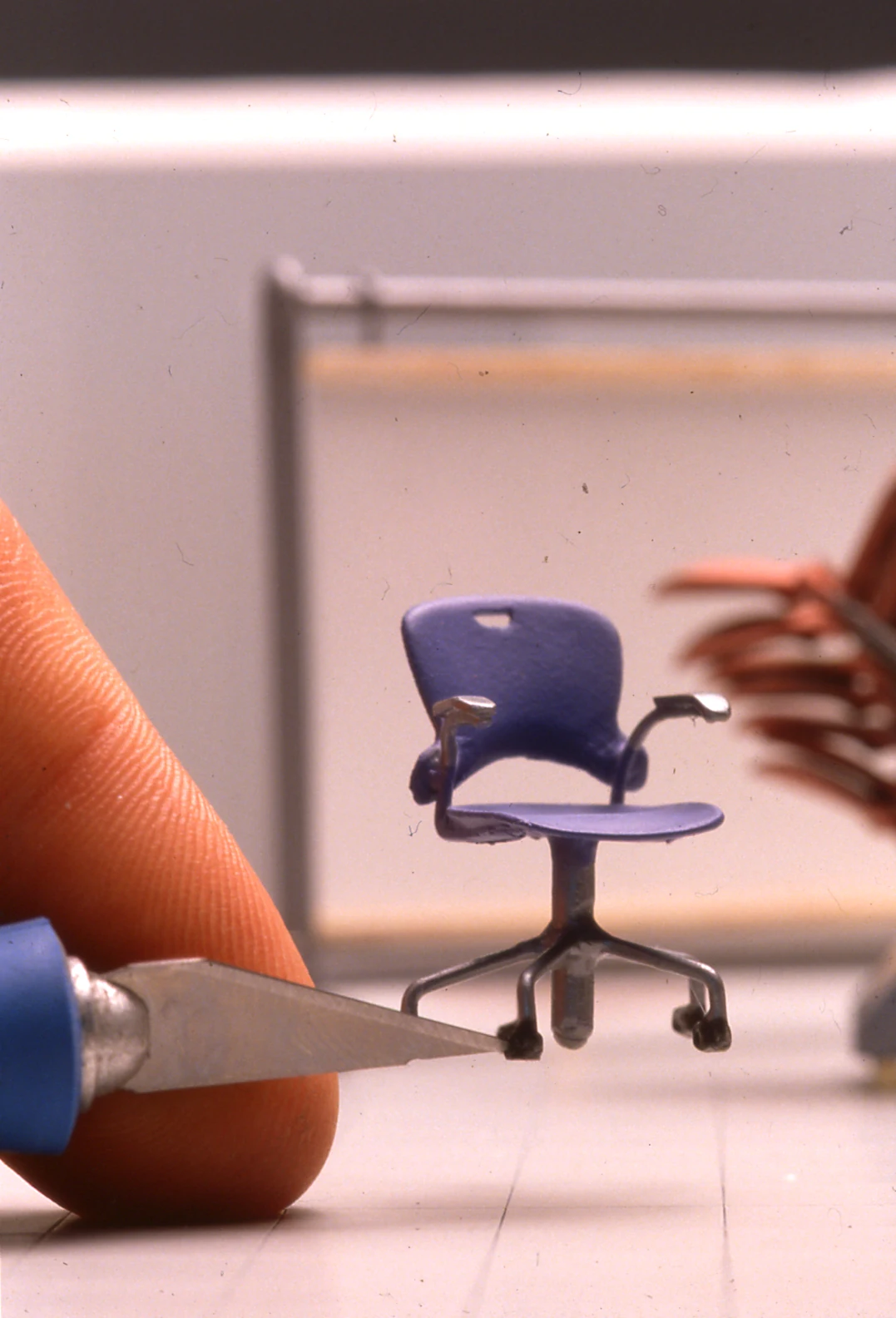
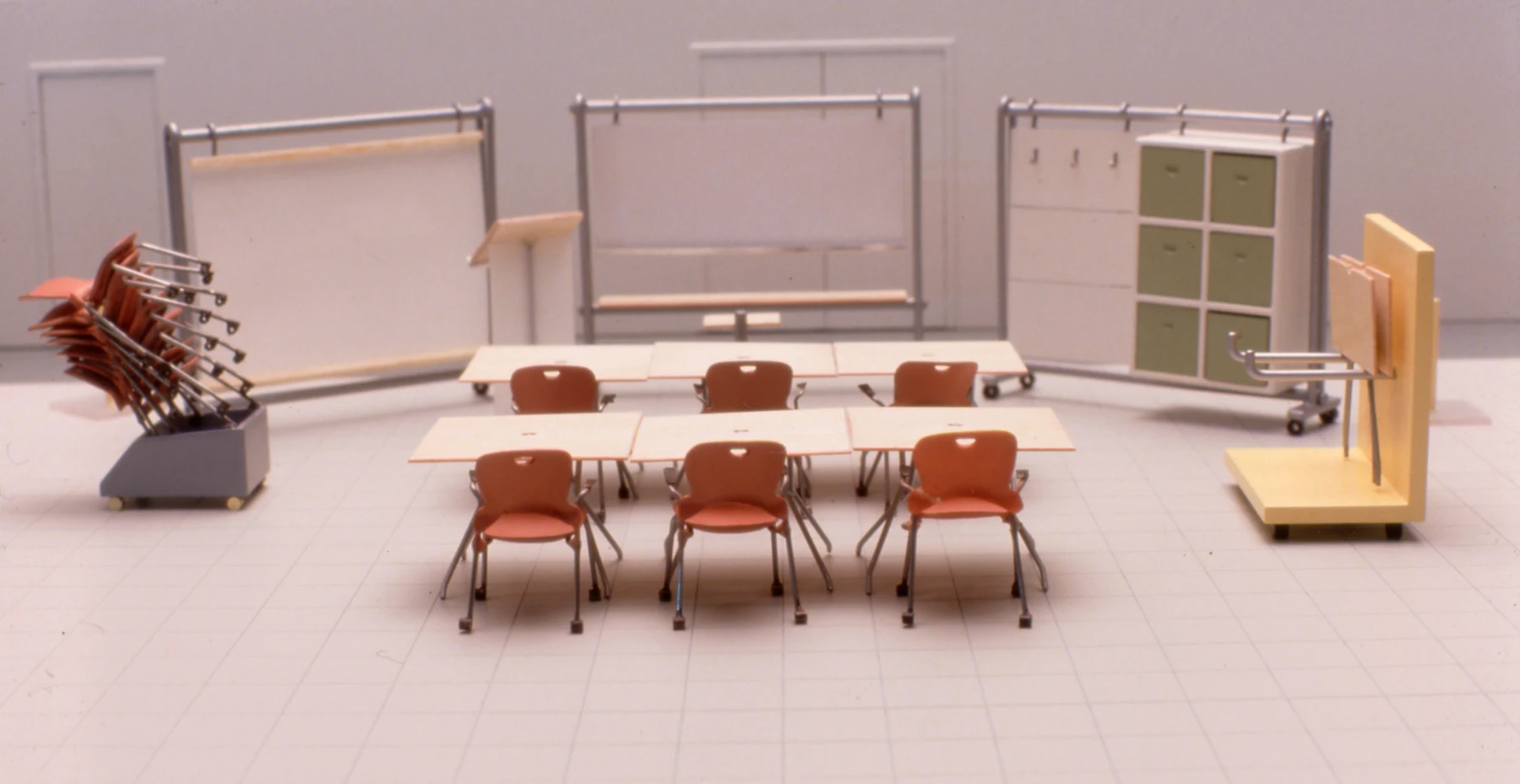
more work from each part.
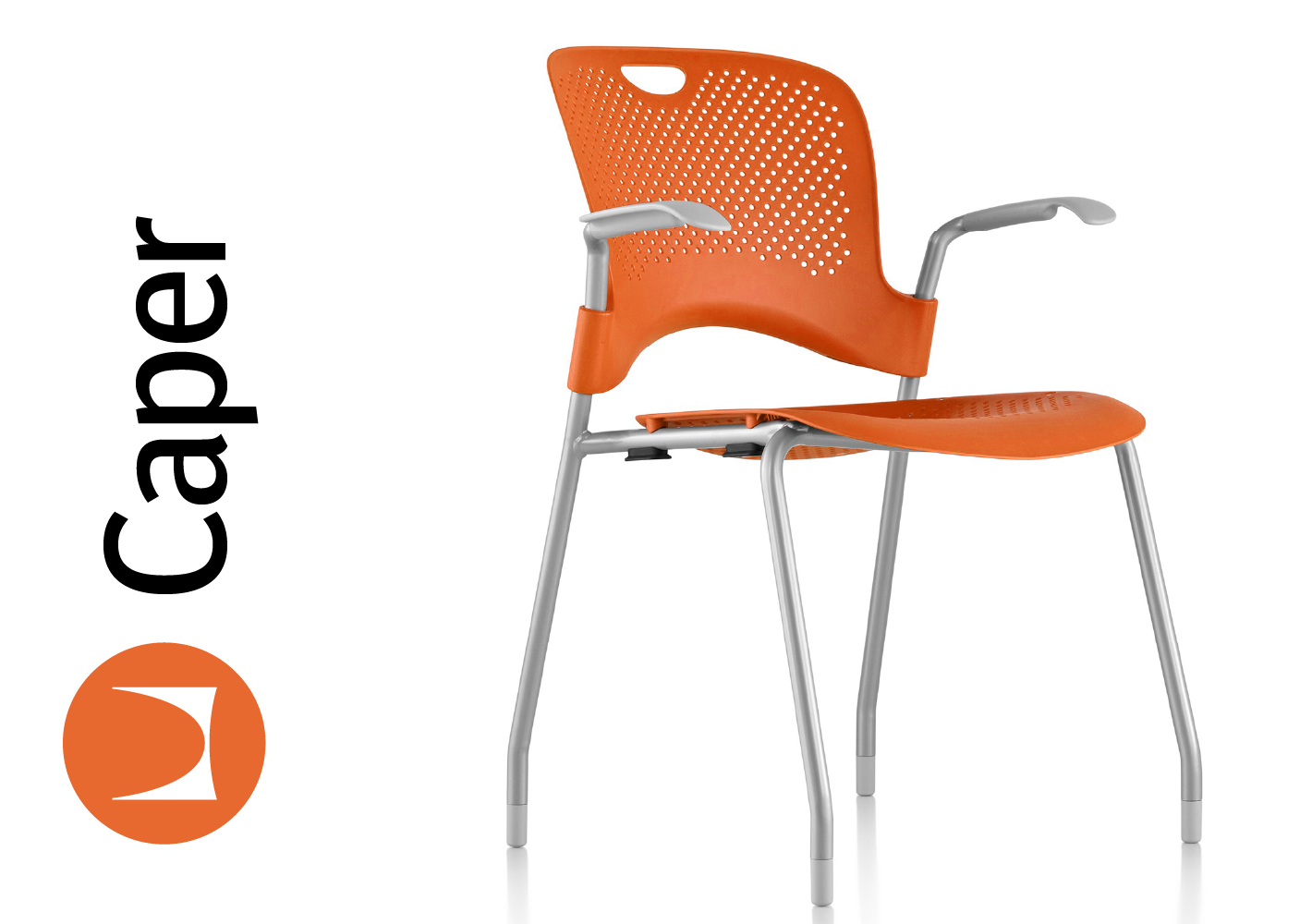
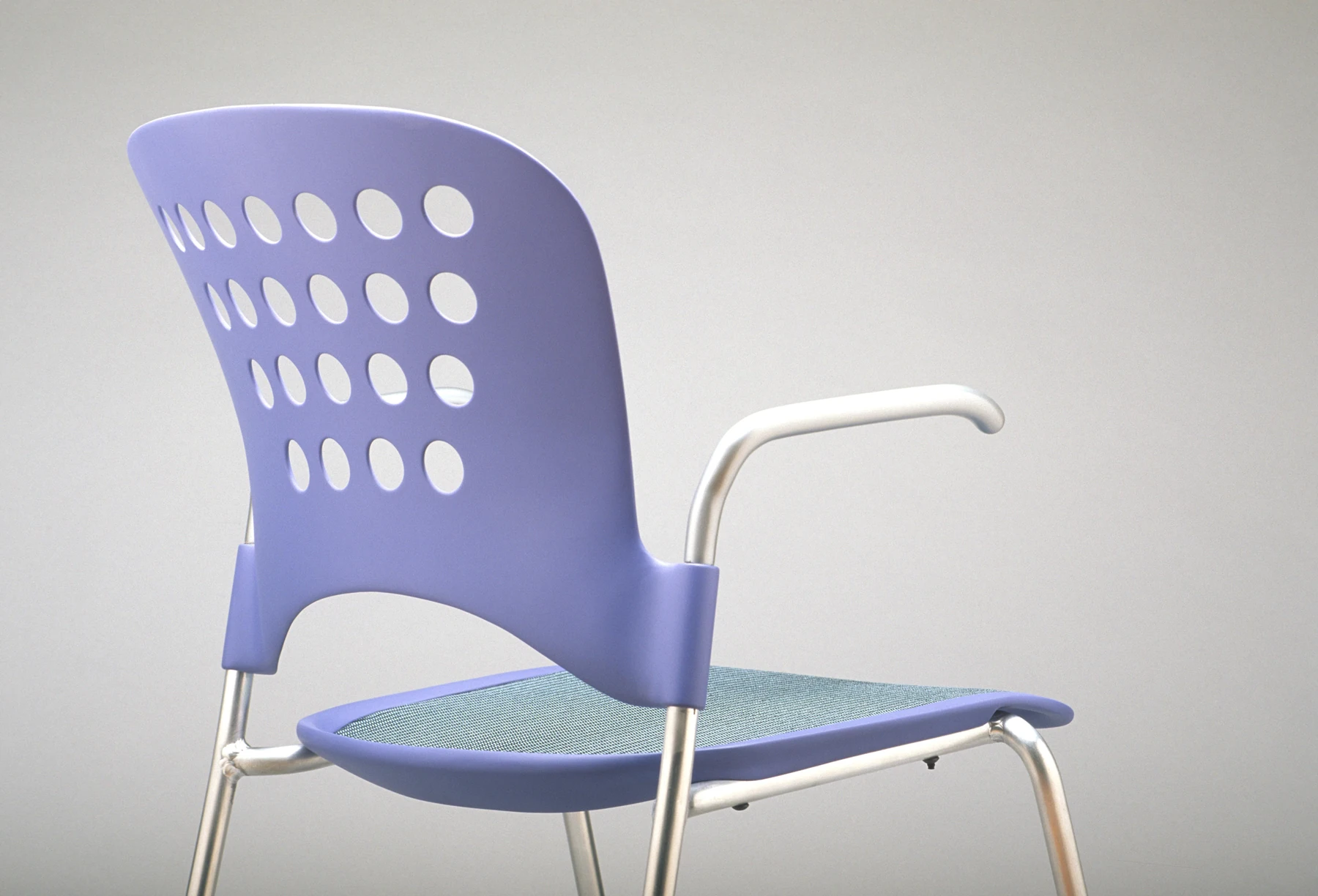
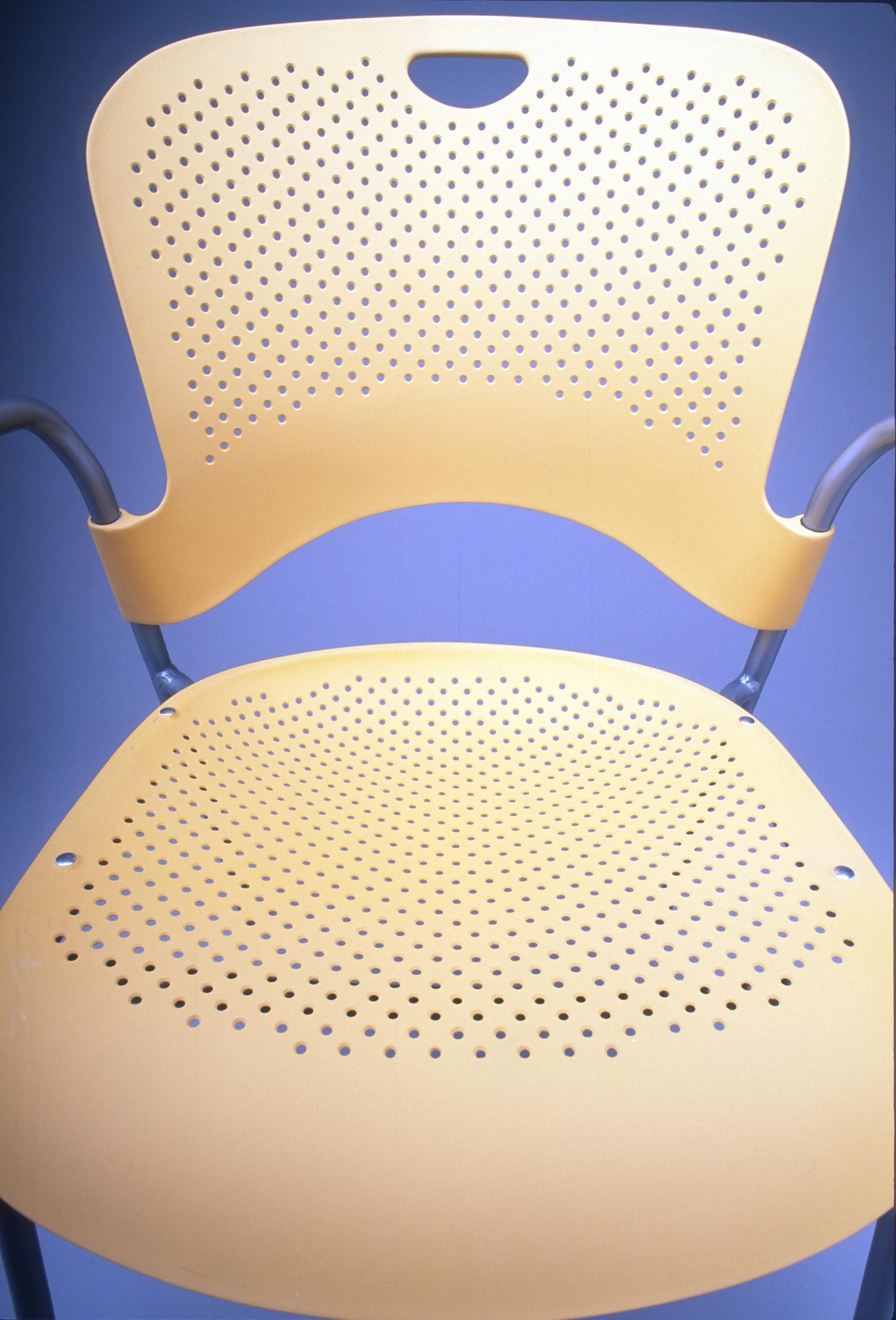
Our Build to Learn process explored details as seemingly small as the perforations in the back. The openings let heat and moisture escape, while the material around them supports the body. Small details matter to the person sitting in the chair, so we give them the same care as the overall form.
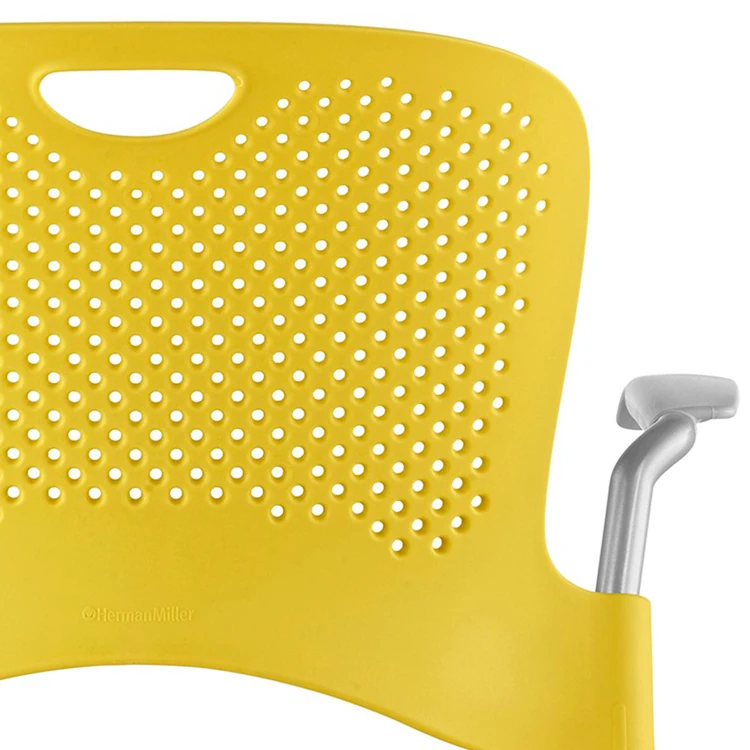
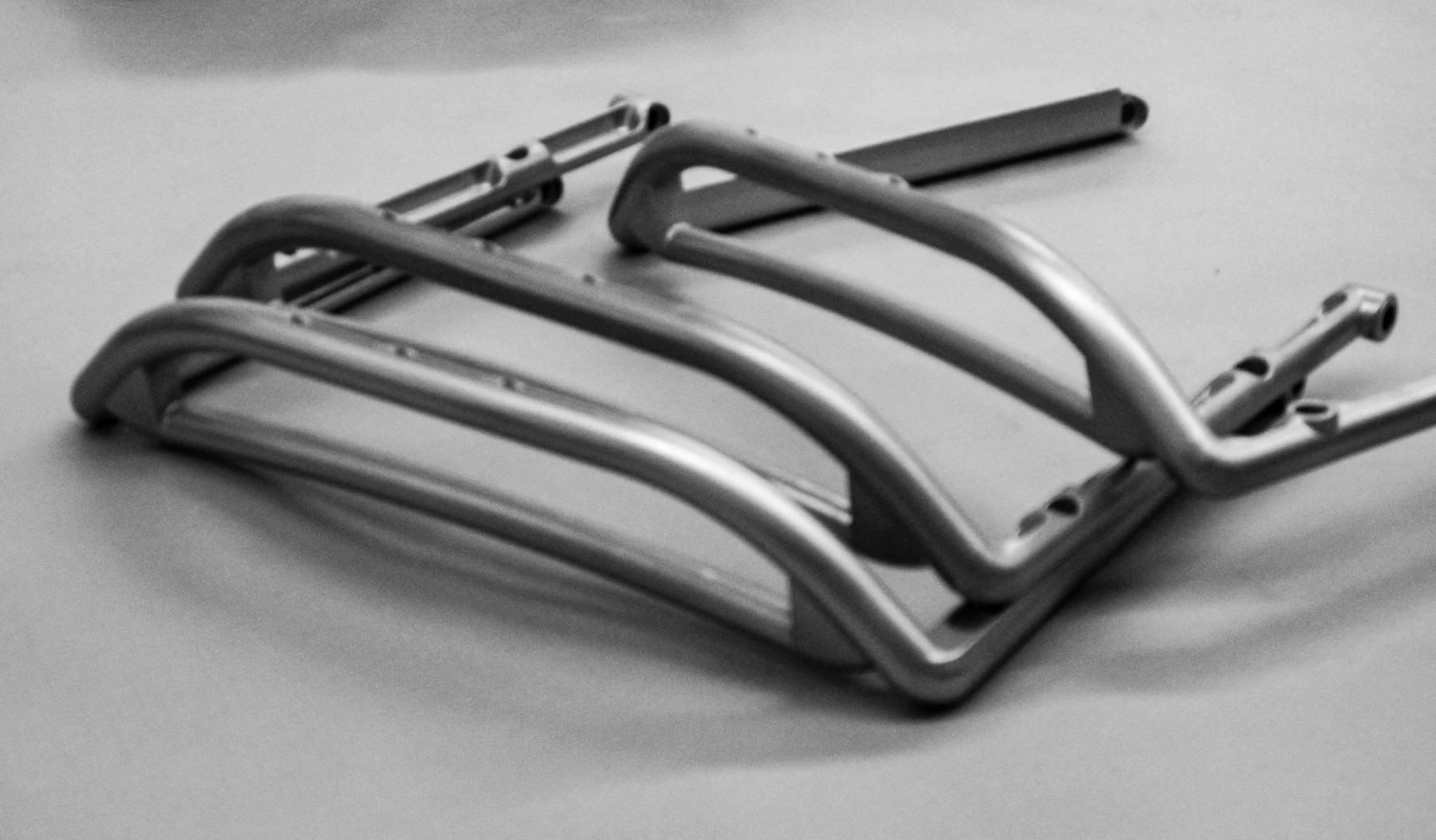
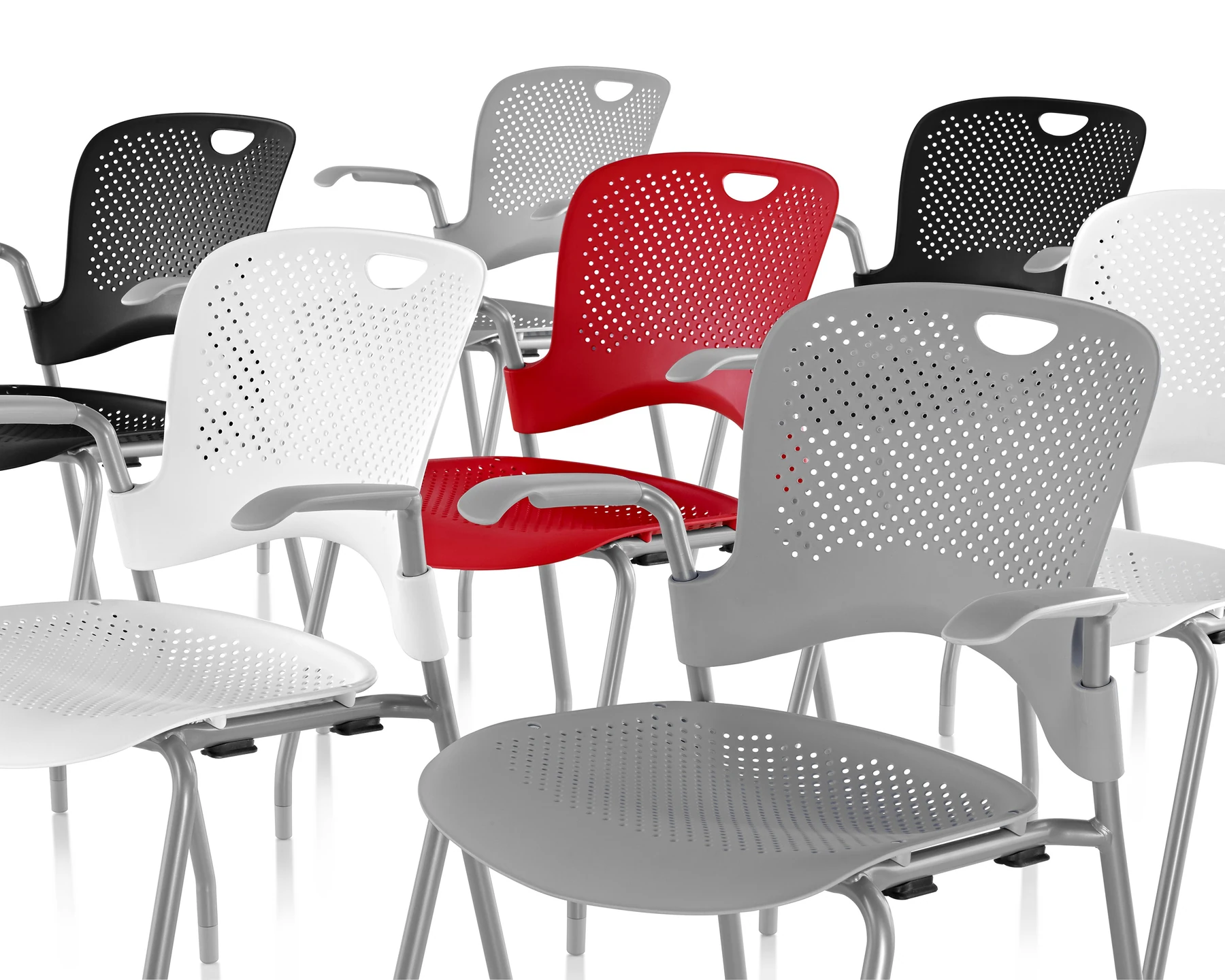
The molded back combines a contour for support, openings for airflow and a handhold for lifting. Making each part do useful work connects comfort with the practical demands of producing, moving and managing a chair.
sitting is rarely still.
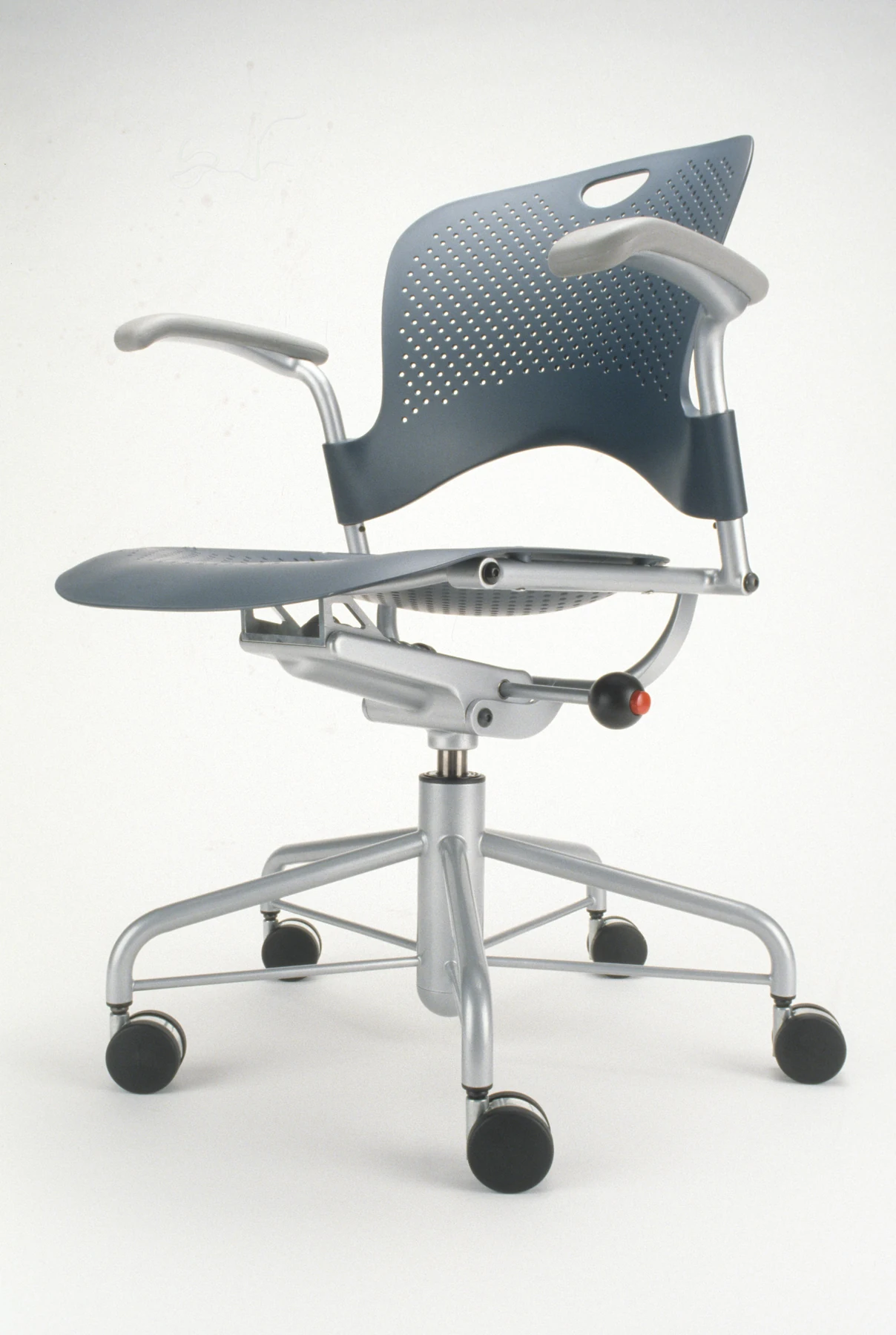
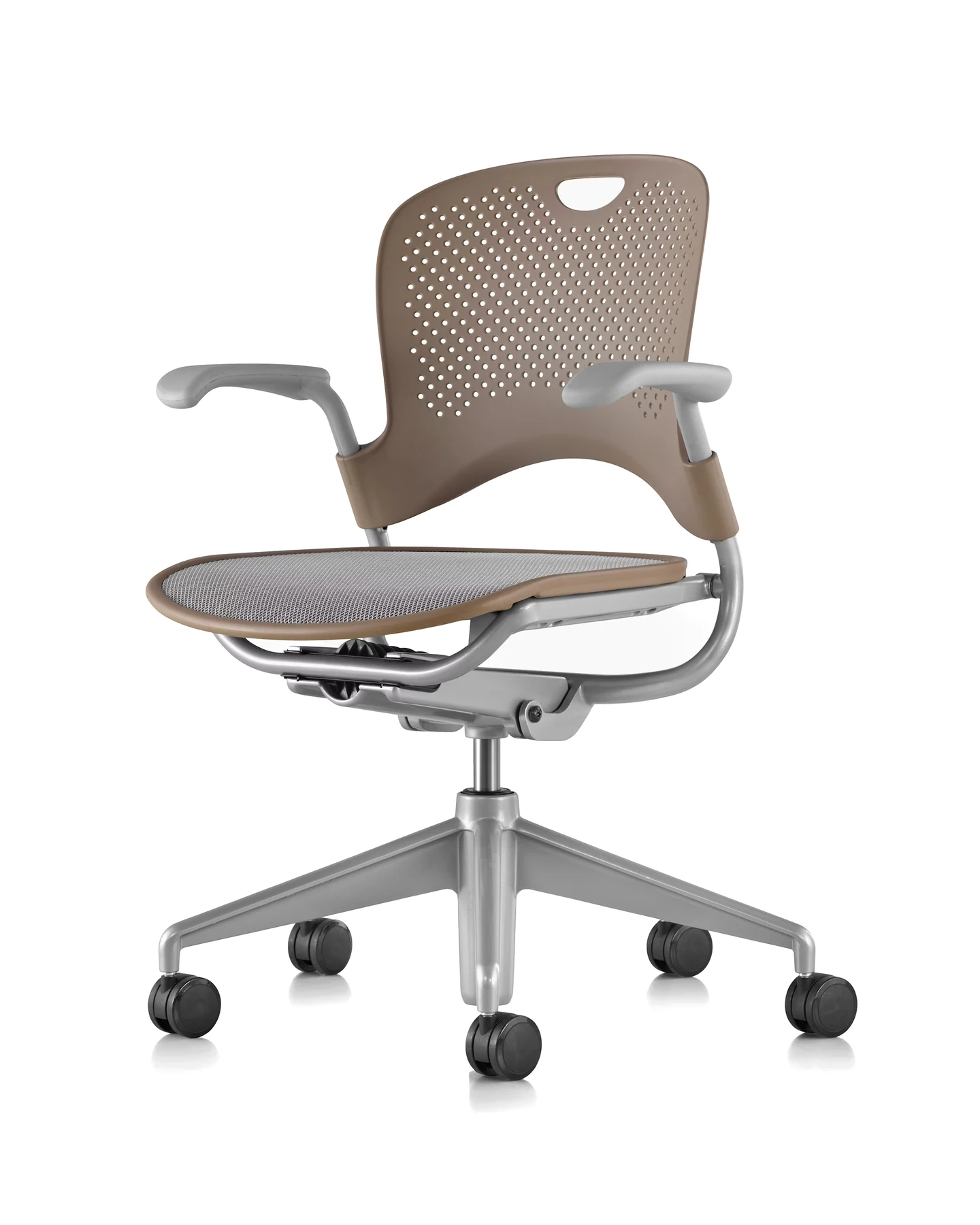
We turn toward another person, change position and shift our attention. Caper’s multipurpose version accommodates those small changes with swivel, tilt and seat-height adjustment.
The mechanism has a human purpose: joining a conversation, finding a comfortable working height or leaning back to pause.
one family.
different ways to sit.
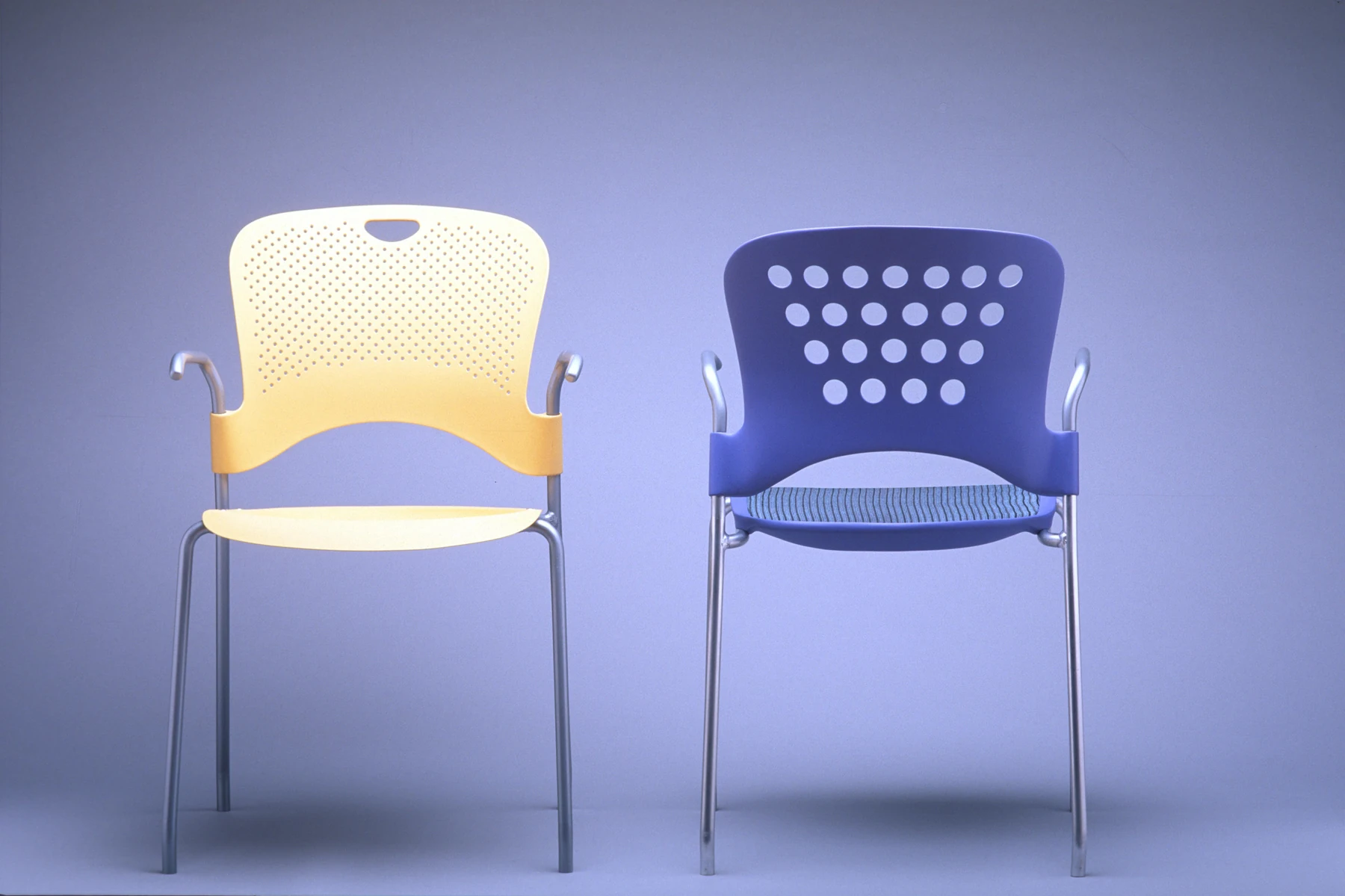
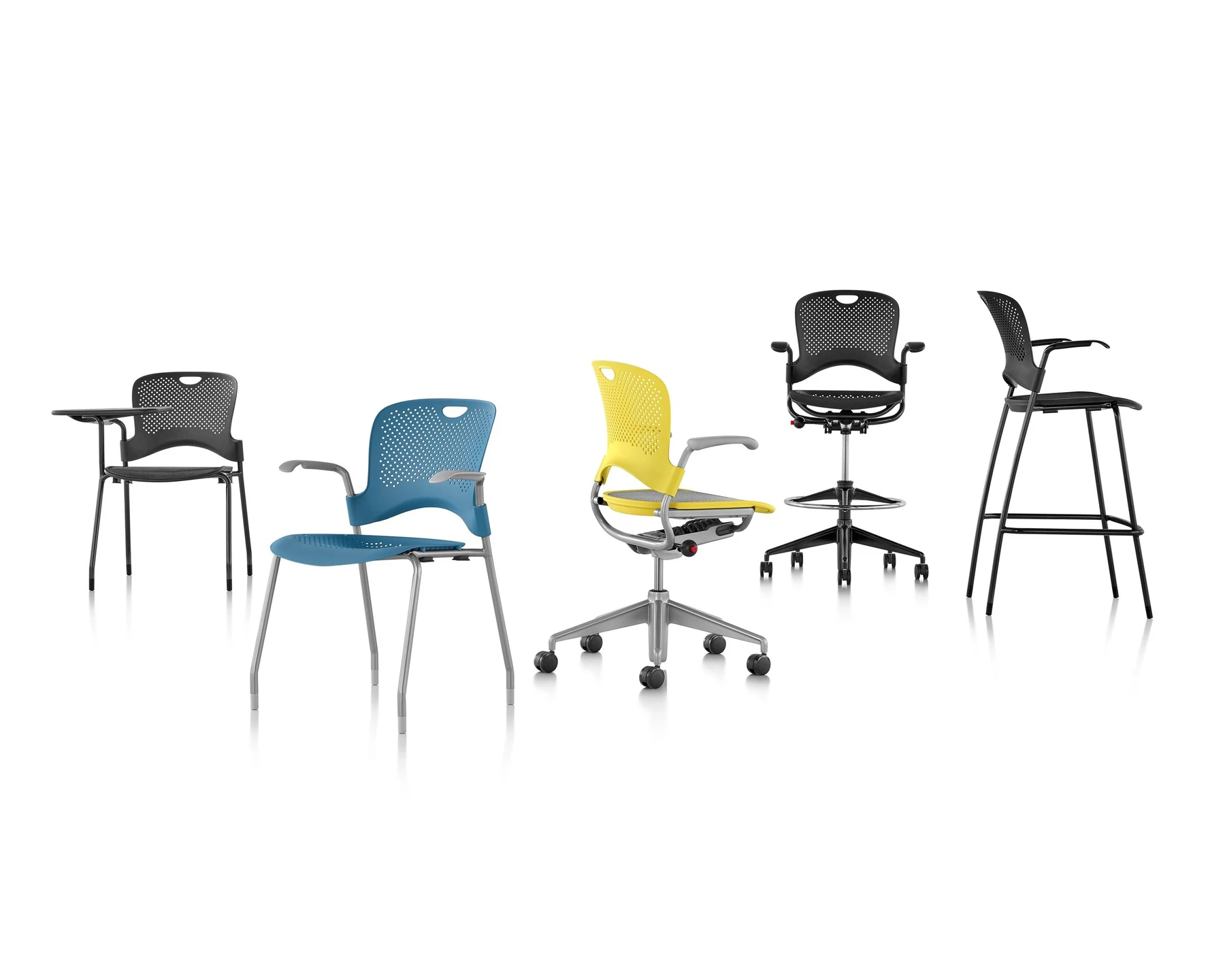
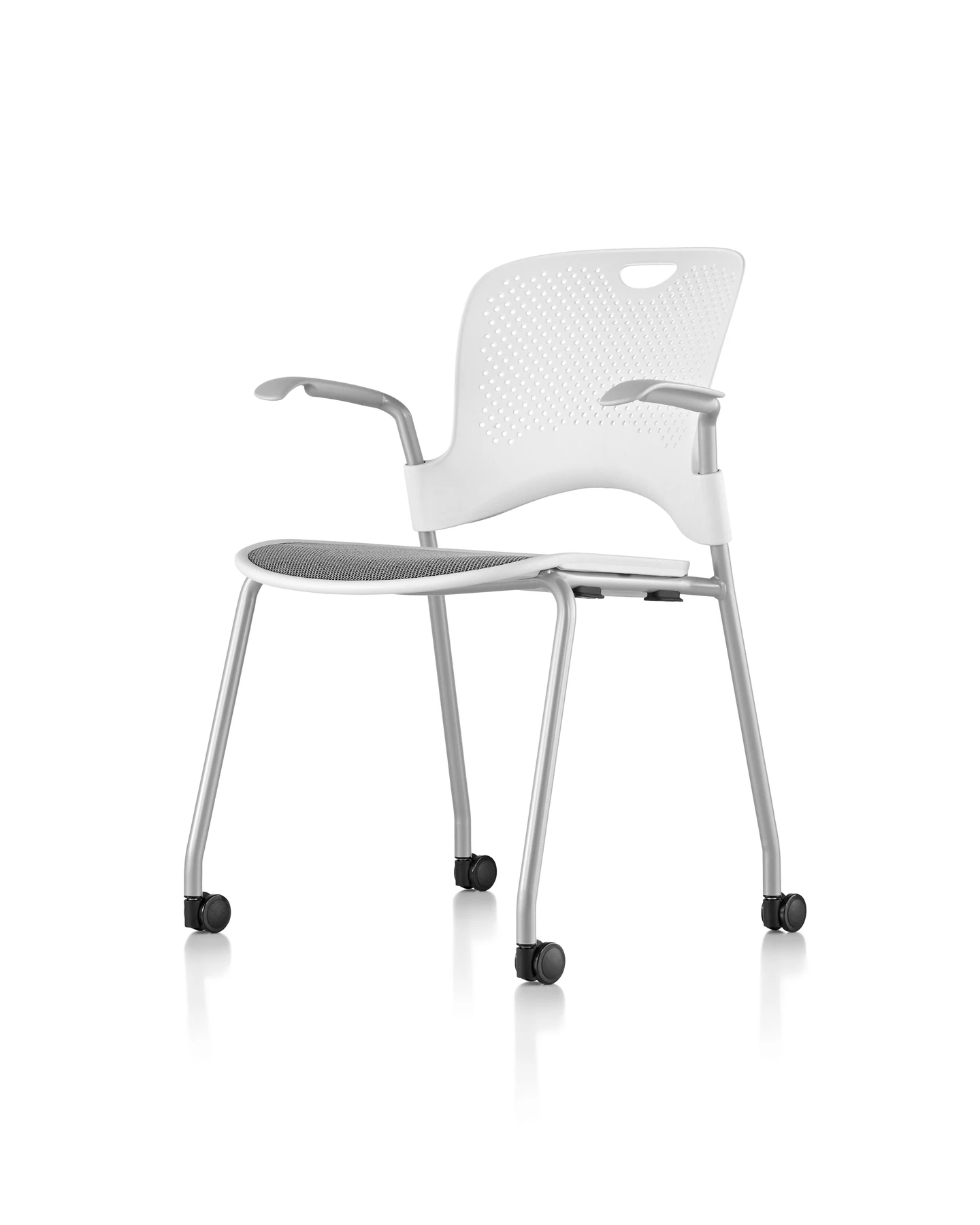
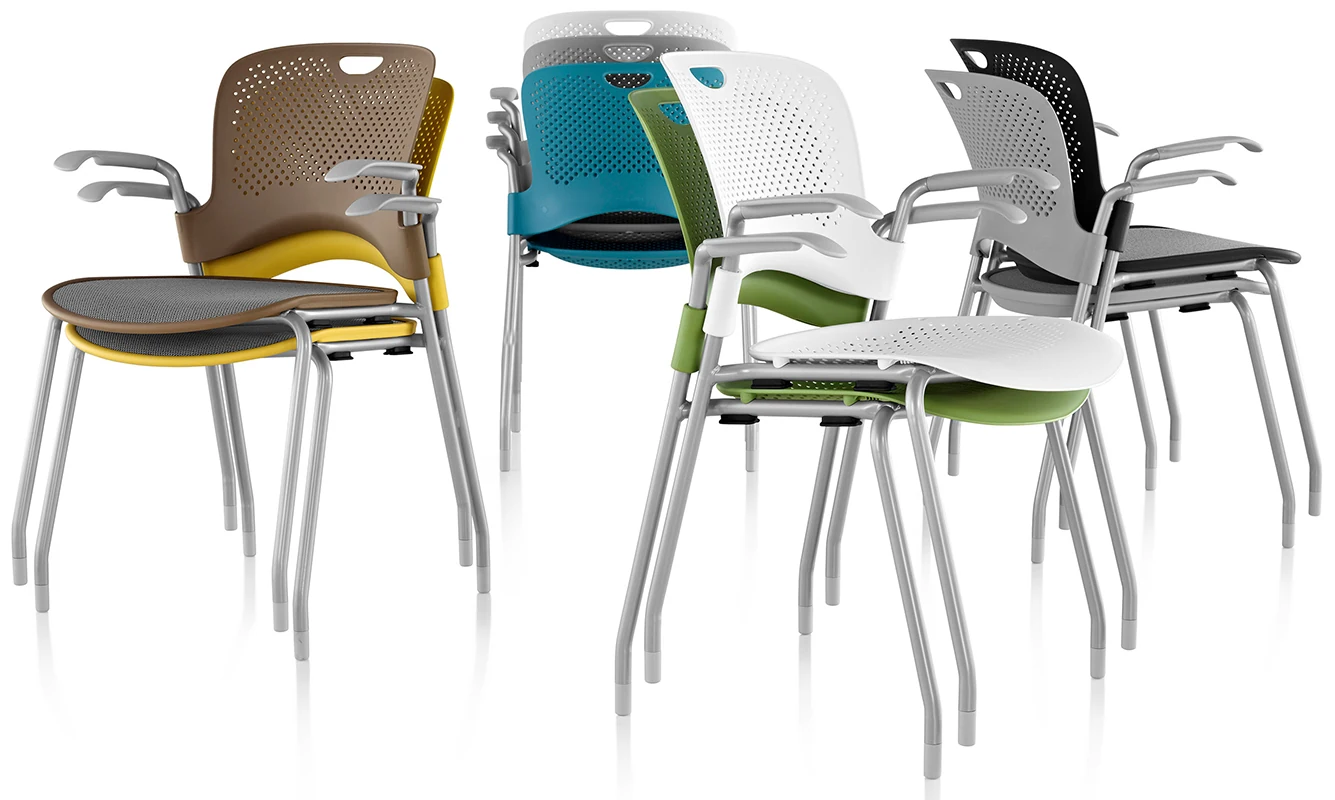
A recognizable back, a light frame, a clear relationship between the parts. Across Caper’s many configurations, those ideas hold the family together. Bases, seat surfaces, arms, colors and working heights change to suit different activities.
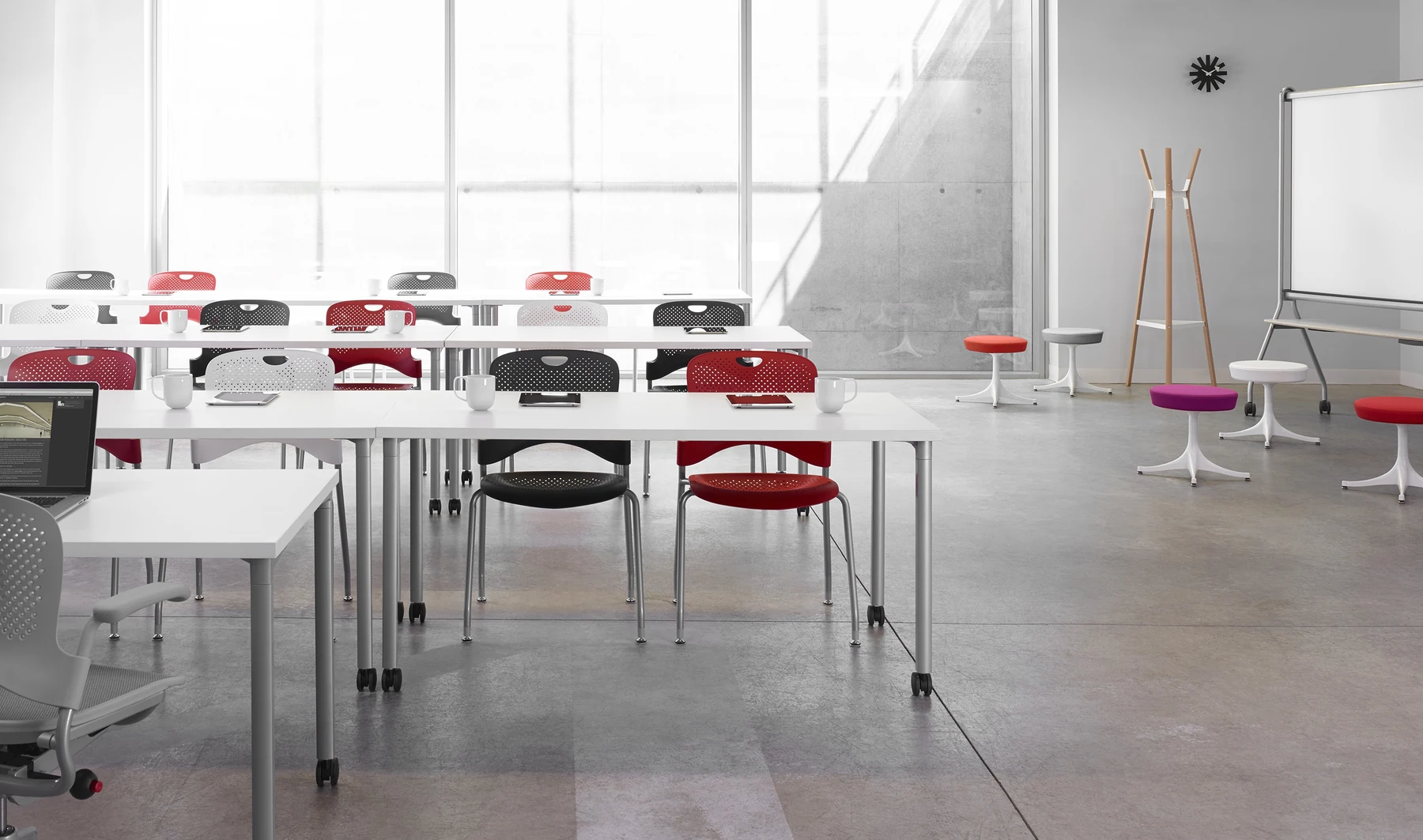
The result is a family that can move from a shared table to a desk, from a learning space to a higher work surface, while keeping its own character.
ready for everyday.
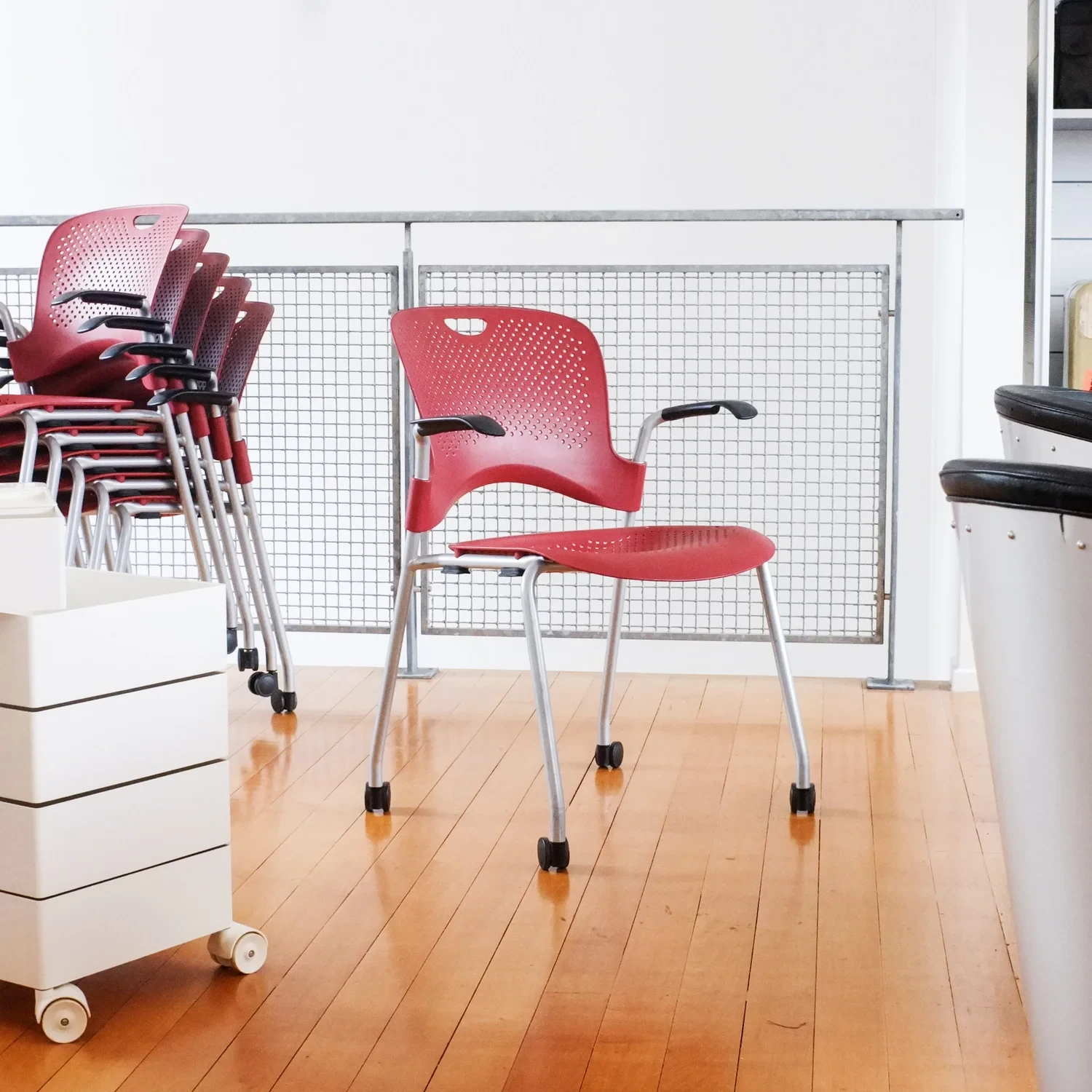
The value of Caper lives in ordinary actions: pull up a chair, gather around a table, rearrange a room, stack the chairs away. We see those moments as part of the design problem. Making them easier is part of what good seating can do.
“There should always be a human benefit associated with whatever it is we’re designing.”
Jeff Weber / on his design philosophy
further reading
What would you like to know about Studio Weber?