Toro Personal Pace: A Mower That Moves With You
The breakthrough was not another control. It was a more natural relationship between person and machine—one that could respond to the pace, posture, and nuance of the person walking behind it.
The Interface Problem
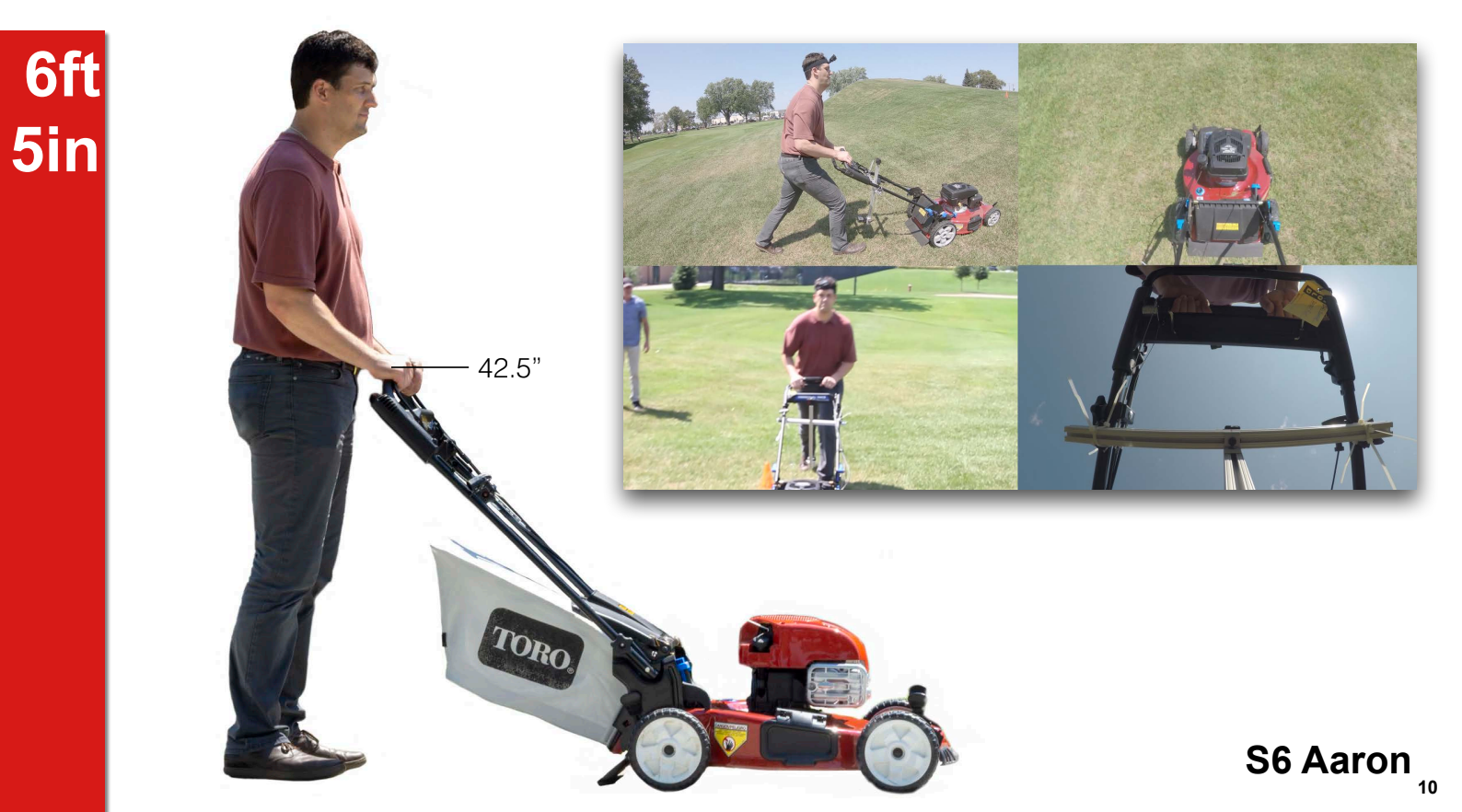
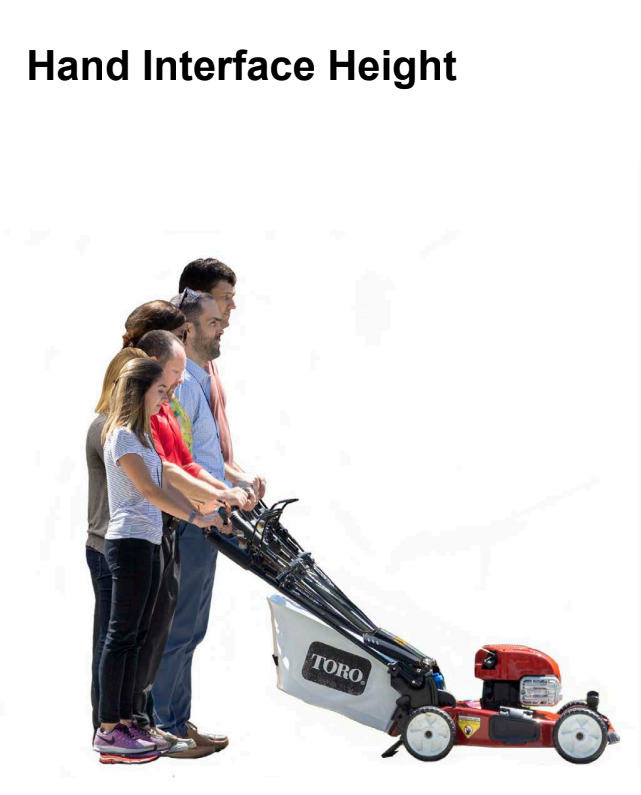
Real-world use exposed strain at the mower handle: constrained grip positions, awkward height relationships, and body mechanics that became more noticeable in turns, on hills, and during extended mowing. The question expanded beyond improving a handle. How could the mower feel more like an extension of the person using it?
Observing the Body
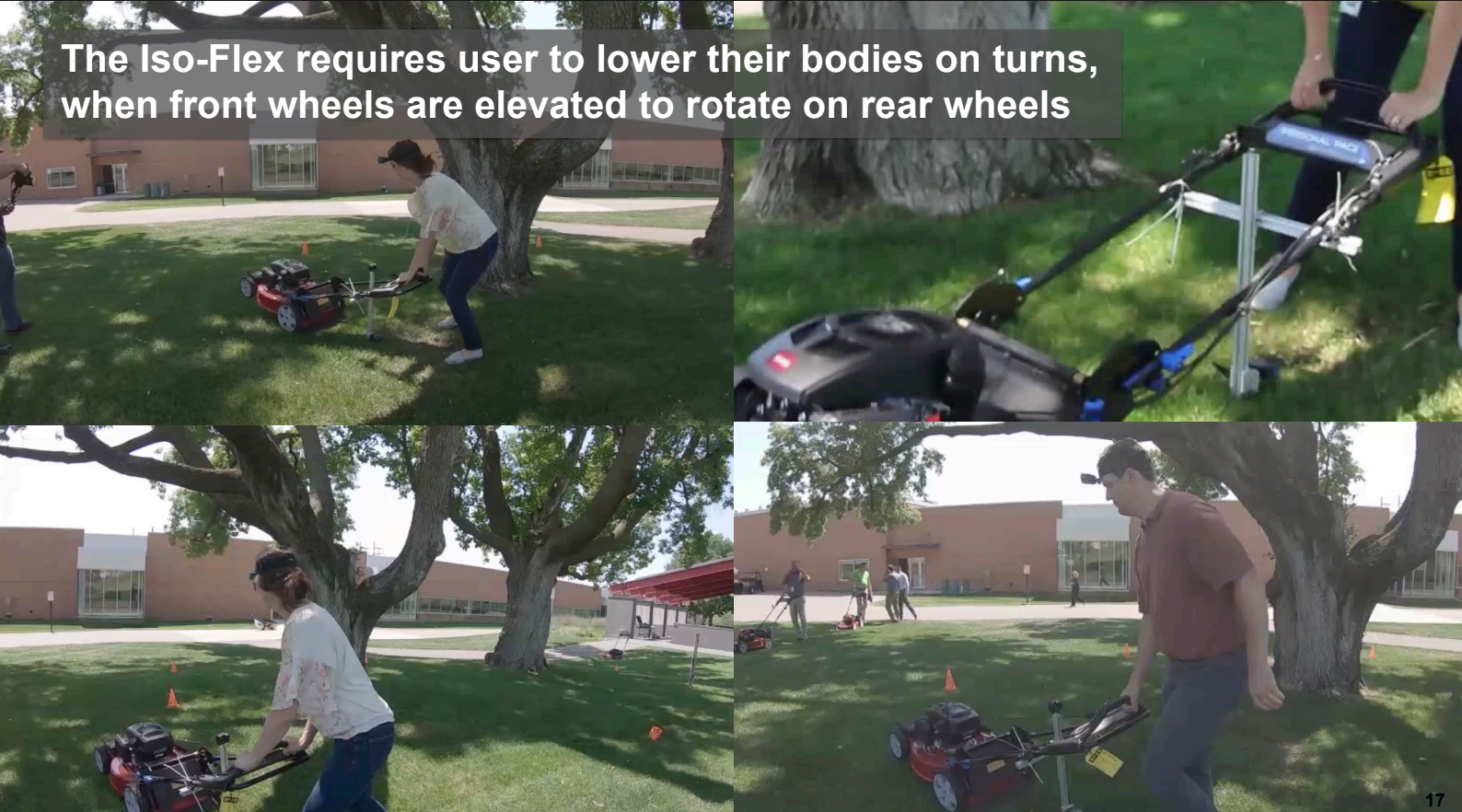
Field observation showed that mowing is dynamic. People rotate their hands, shift grip positions, change reach, lift and pull while leveraging the mower, lean into turns, and continually reposition their bodies. A prescribed hand position fought those behaviors. The research pointed toward an interface capable of supporting many natural hand postures instead of one “correct” grip.
Designing for Movement
The design criteria became physical and specific: accommodate multiple hand positions, maintain neutral wrist posture, distribute pressure across the palm, keep controls accessible while moving, and support natural body motion. The goal was not merely comfort—it was freedom to move without thinking about the interface.
From Linear to Arc
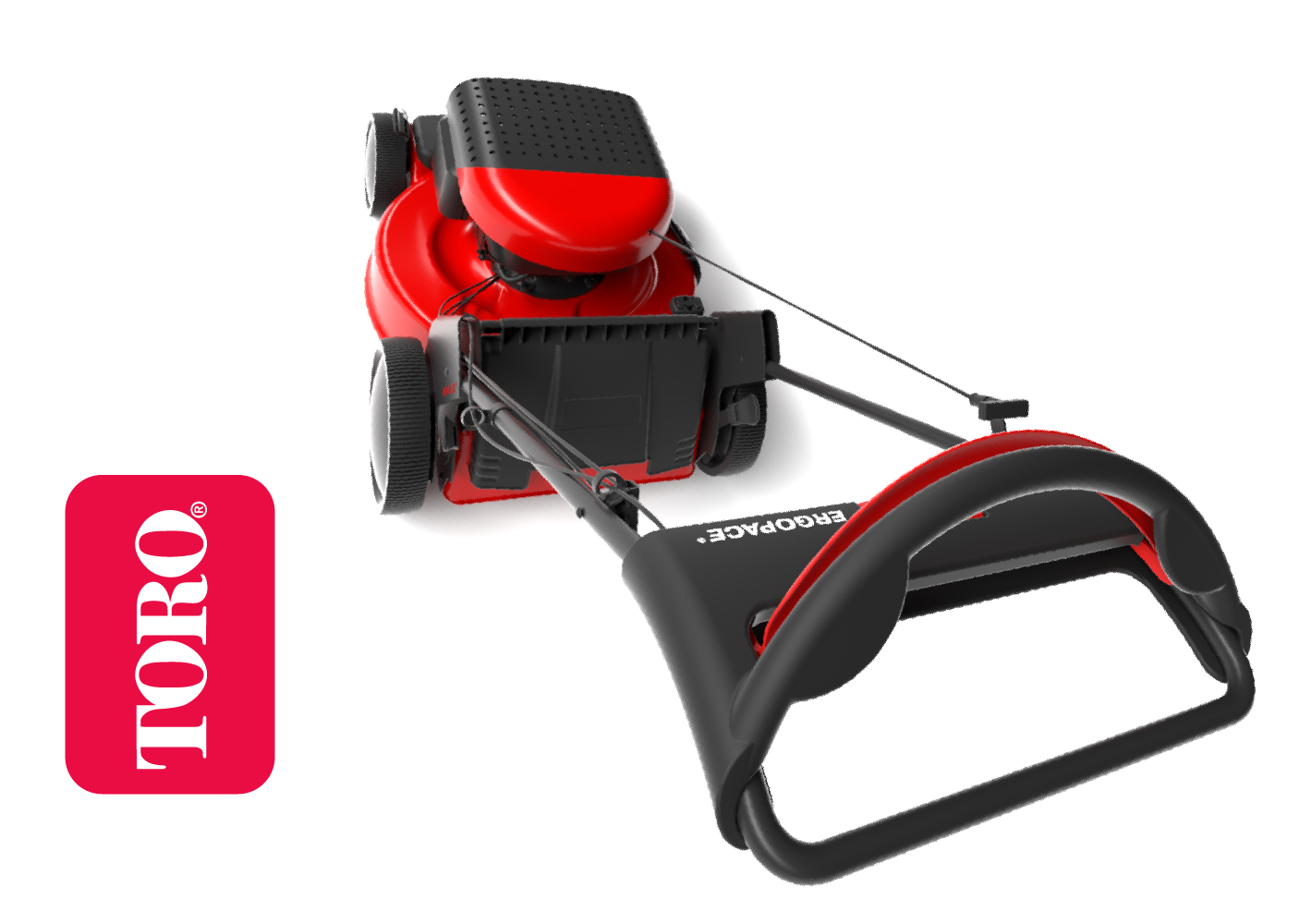
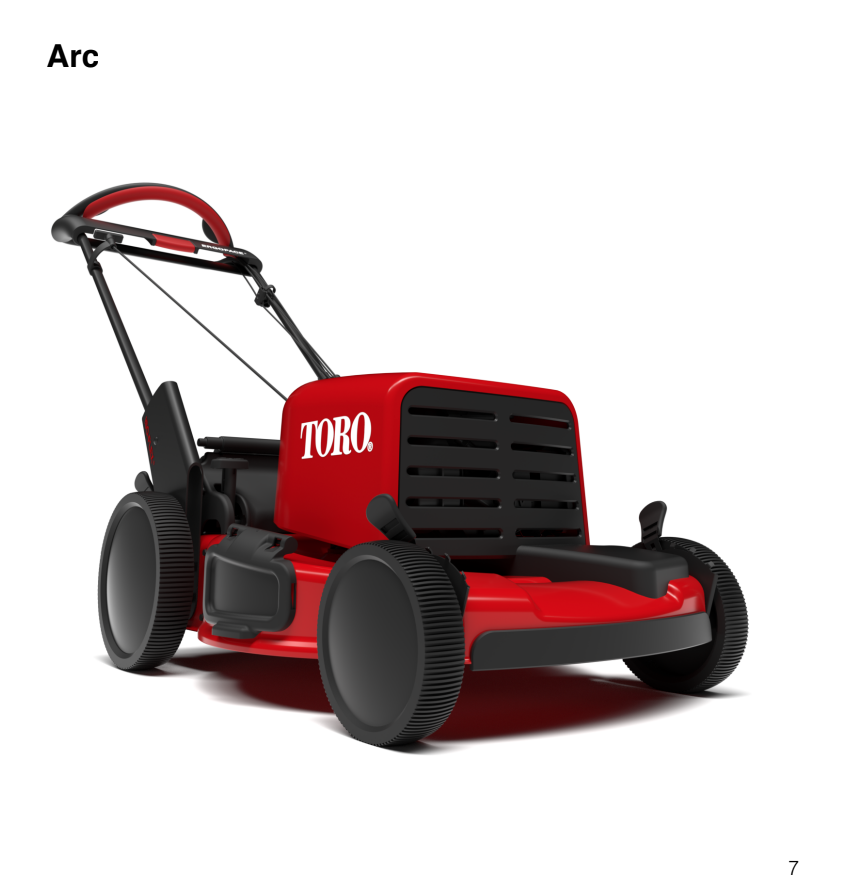
The breakthrough was a continuous arc-shaped handle. Instead of forcing the hands into fixed positions, the arc lets the user naturally shift grip while turning, reaching, pushing, pulling, or changing pace. Its geometry also creates a more ergonomic activation motion for Personal Pace and moves the cross tube away from the wrist.
Prototype → Feel → Adjust → Repeat
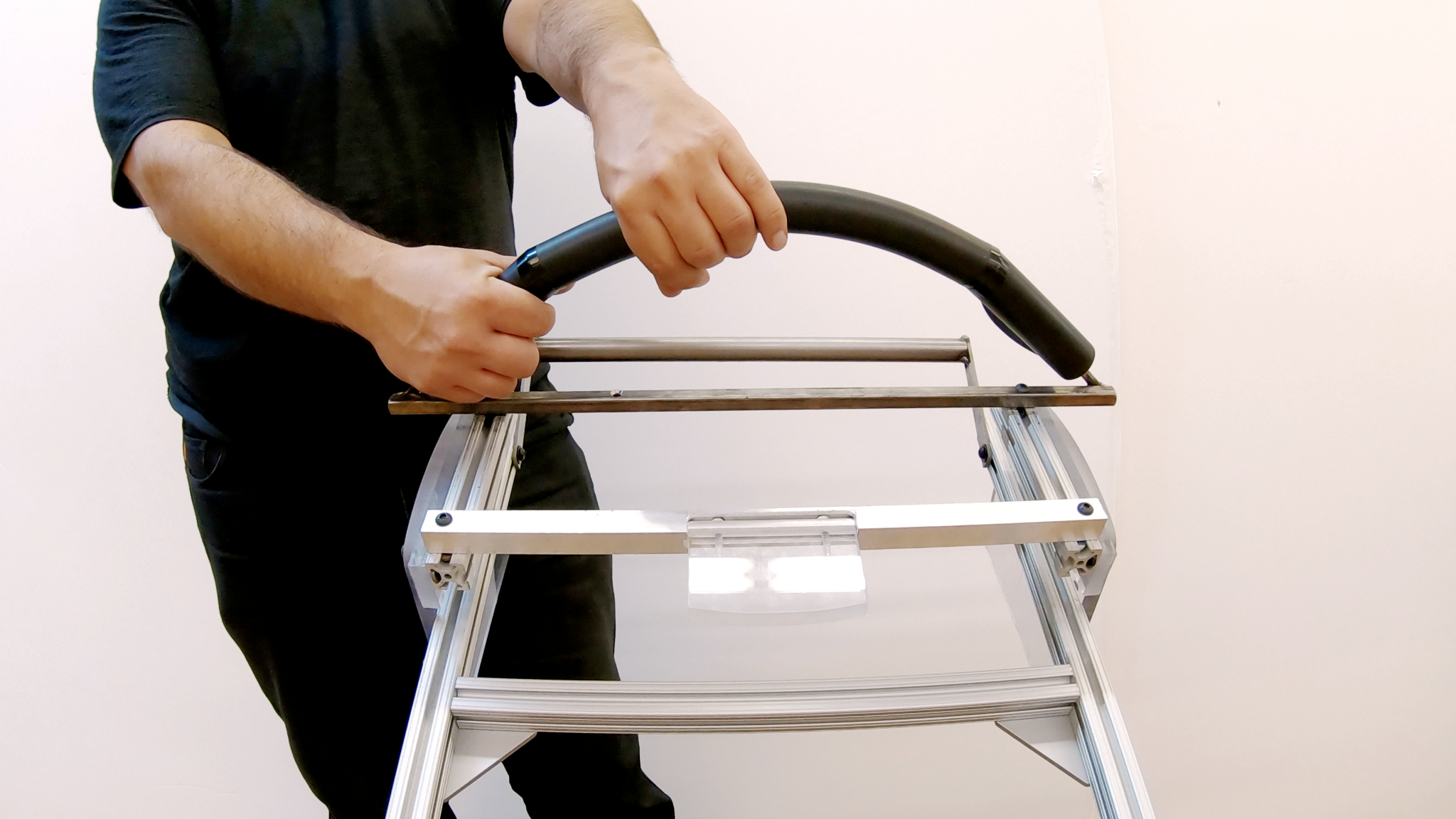
Full-scale physical rigs made the interaction tangible. Different handle radii, positions, angles, travel paths, grip zones, and interface relationships could be explored directly with the body. Each prototype revealed what drawings could not: how the interface actually felt in motion. Build it. Use it. Learn. Change it.
Personal Pace
The final relationship becomes almost invisible. Push naturally and the mower accelerates. Ease off and it slows with you. Rather than asking the person to coordinate a throttle or speed setting, the user’s own movement becomes the control language.
From Interface to Experience
What began as an effort to improve a handle became a reconsideration of the whole physical conversation between person and machine: Force → Motion → Machine Response → Human Perception. When that relationship works, the interface begins to disappear—and the mower simply moves with you.
> We set out to improve a handle. We ended up rethinking the whole interaction.
What would you like to know about Studio Weber?