
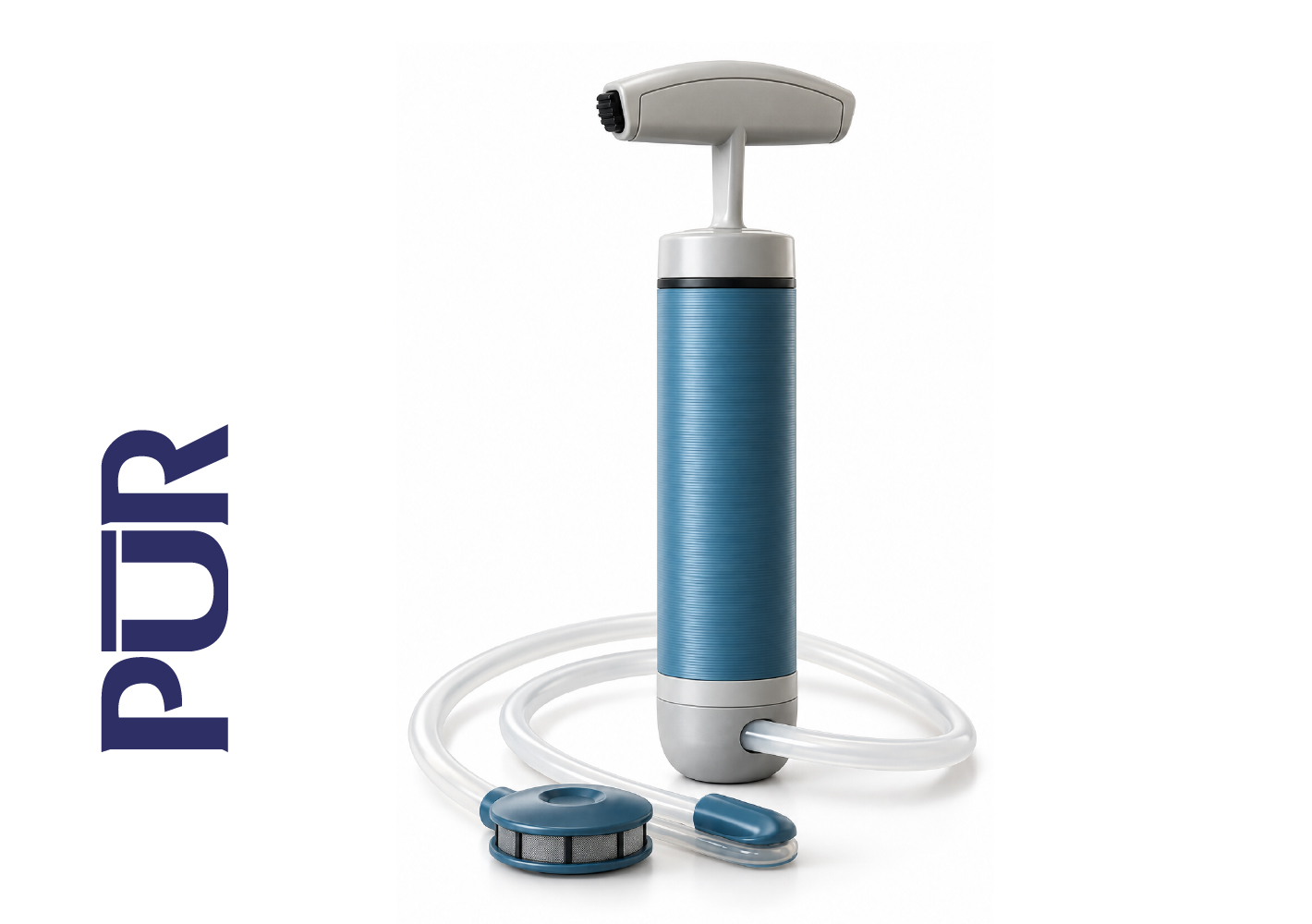
PUR Faucet Filter: Designing Trust Into an Everyday Object
The challenge was bigger than filtering water. How do you help someone trust an invisible process they cannot see?
The Trust Problem
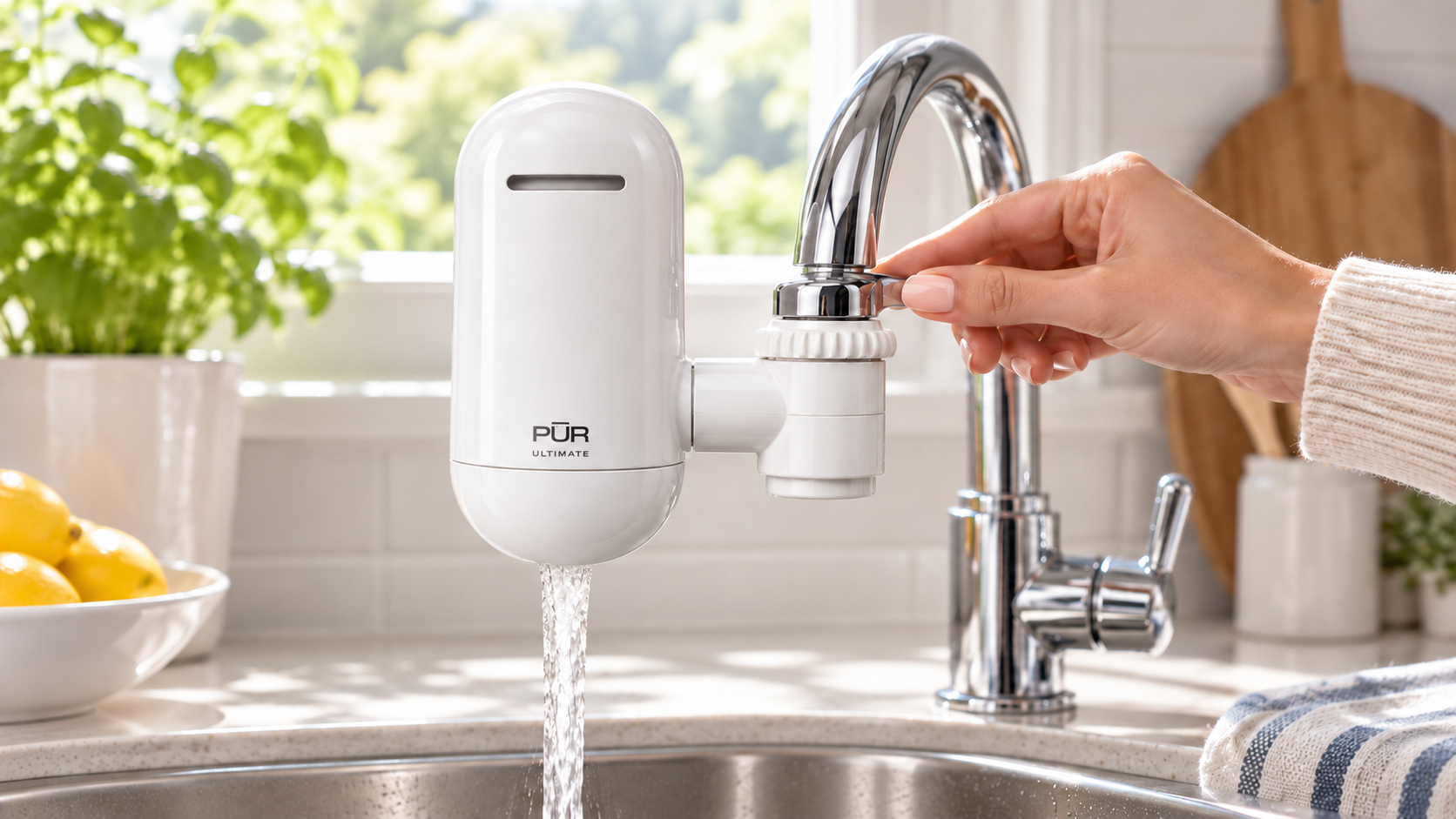
When Recovery Engineering set out to bring its water-purification expertise into the home, people using household filters had no reliable way to know when a cartridge had reached the end of its useful life. A faucet-mounted product also had to live comfortably in the kitchen: compact, lightweight, easy to operate, easy to maintain, and understandable without adding complexity to an everyday ritual.
Make the Invisible Visible
Studio Weber, with Bill Stumpf and Jeff Weber working alongside Recovery Engineering’s Richard Hembree and James Lund, helped create the original PUR faucet-mounted household filtration system. The opportunity was to turn filter life—an invisible technical condition—into something the person using the product could immediately understand.
The Breakthrough Was Mechanical
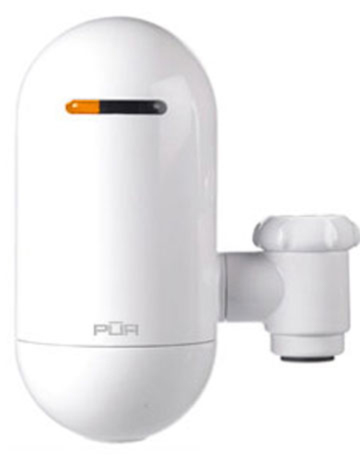
Inside the product, flowing water powered a small turbine connected to a reduction gear train. As water moved through the filter, the mechanism mechanically tracked cumulative use and advanced a visible filter-life indicator. When the cartridge reached its predetermined capacity, the mechanism physically moved a valve into the flow path and stopped the filtered-water stream.
The person using it did not have to remember when the cartridge was installed, calculate how much water had passed through it, or interpret an ambiguous warning. The product communicated its condition through its own behavior.
Reset Without Another Task
Replacing the cartridge automatically reset the mechanism. A new filter effectively rearmed the system without asking the user to perform a separate reset procedure. The complexity stayed inside the product; the interaction stayed simple.
Build to Learn
The product did not arrive in a single pass. Recovery Engineering invested heavily in prototypes, consumer research, weekly focus groups, manufacturing development, tooling, and continued iteration. Early prototypes reportedly performed very well technically, but people did not always perceive the product as high quality. That feedback pushed the team to keep refining not only how the product worked, but how clearly it communicated its value.
Observe → Build → Test → Learn → Refine. Mechanical invention, industrial design, manufacturing, and communication developed together rather than as isolated disciplines.
A Form That Belonged in the Kitchen
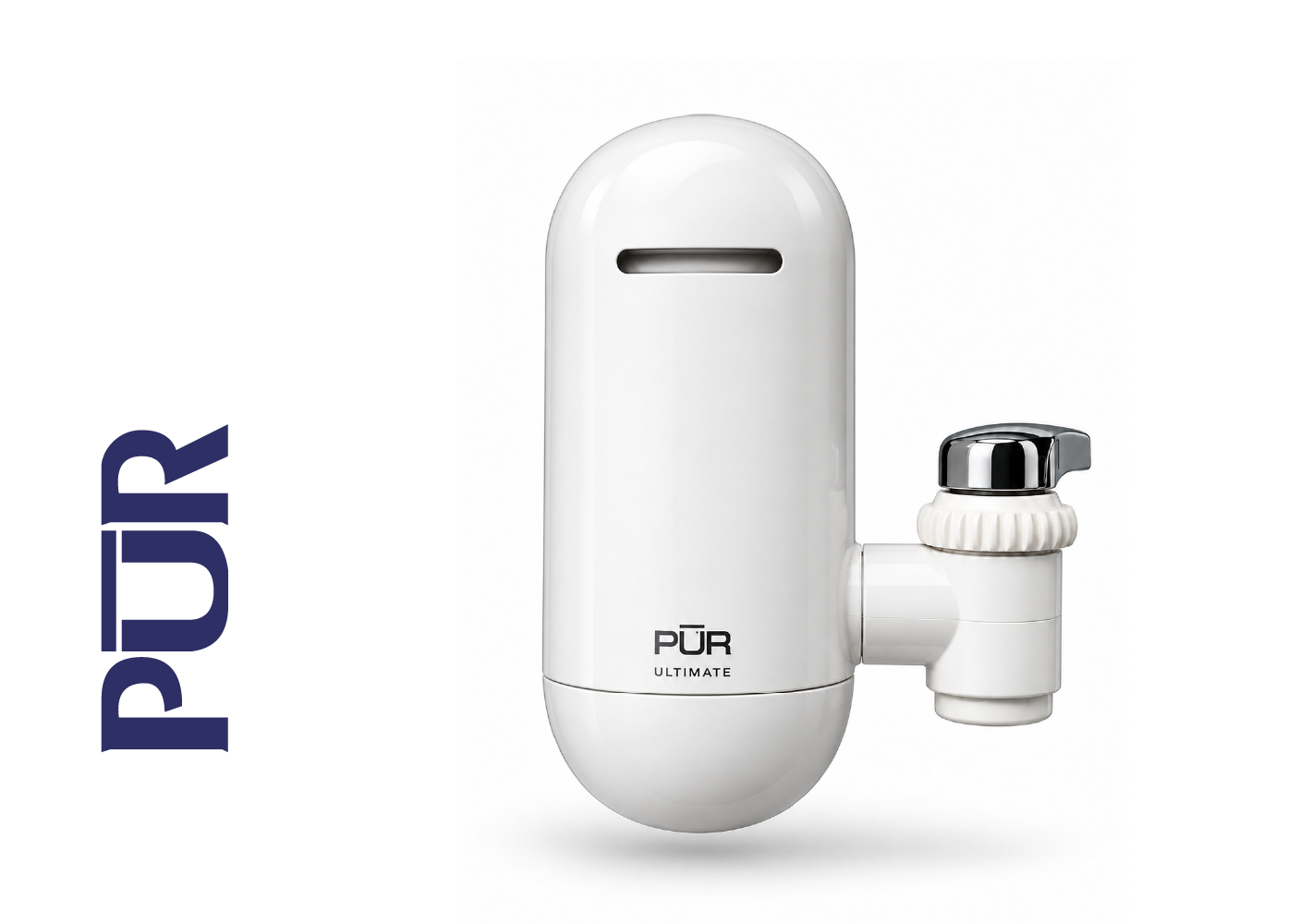
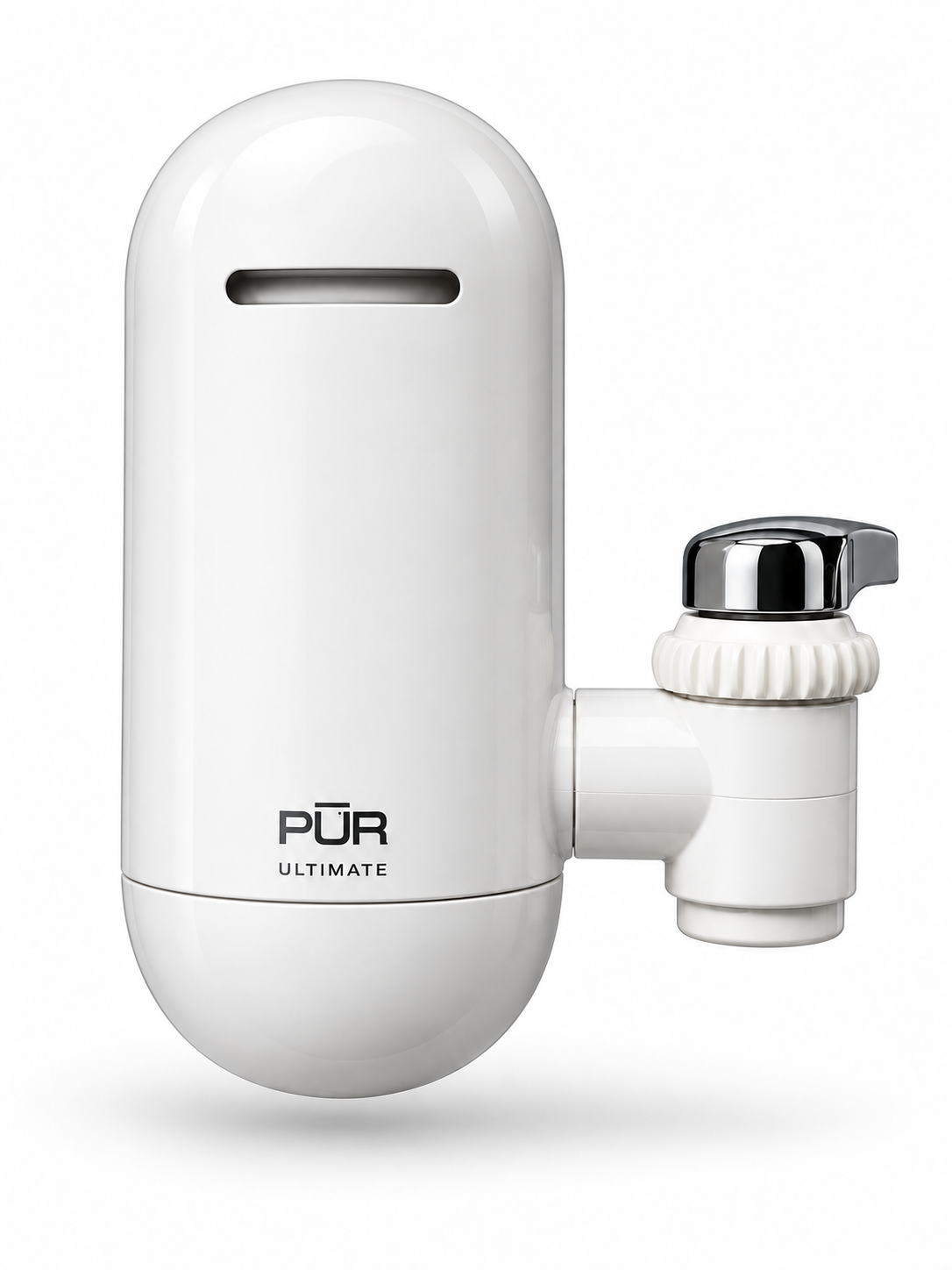
The form was deliberately soft, compact, approachable, and visually quiet. Rather than looking like technical water-treatment equipment attached to a faucet, the filter was designed as a domestic object—simple enough to feel at home beside the sink while containing a surprisingly sophisticated mechanical system.
A Language That Endured
The original PUR faucet filter established more than a mechanism. It created a recognizable product language: the upright soft-sided body, restrained visual expression, compact faucet connection, and clear indicator logic. That family resemblance is still visible in PUR faucet-mounted products today.
The Enduring Lesson
The consumer did not need to understand turbines, gears, valves, filtration chemistry, or cartridge-capacity calculations. They only needed to understand one thing: Is my water being filtered?
The product answered that question for them.
> Put the complexity inside the product, and give the person using it clarity.
What would you like to know about Studio Weber?